

Profile Pipes in Construction: Types, GOST Standards and Choosing Pipe for Frames
Published December 2025
In modern industrial and warehouse construction, profile pipes for frame construction have long replaced many types of rolled steel. A frame made of square and rectangular pipes is lighter than one made of I-beams and channels, yet it retains its stiffness and load resistance.
In modern industrial and warehouse construction, profile pipes for frame construction have long replaced many types of rolled steel. A frame made of square and rectangular pipes is lighter than one made of I-beams and channels, yet it retains its stiffness and load resistance.
One such manufacturer in Kazakhstan is Hillary Assets in Kazakhstan LLP (Hil.kz). Its plant in the Karaganda Region produces profile pipes with a local content share confirmed by a CT-KZ certificate and operates under its own standard ST TOO 061040004362-001-2016 for steel profile pipes for building structures, developed on the basis of profile pipe GOST 8639-82 and profile pipe GOST 13663-86.
This manufacturer’s profile pipes are declared under EAEU CN FEA codes 7306619209 (thickness 1.0–2.0 mm) and 7306619909 (thickness 2.0–3.0 mm), as stated in the certificates of conformity for the serial production of profile pipes by Hillary Assets in Kazakhstan LLP.
What a profile pipe is: a brief definition and areas of use
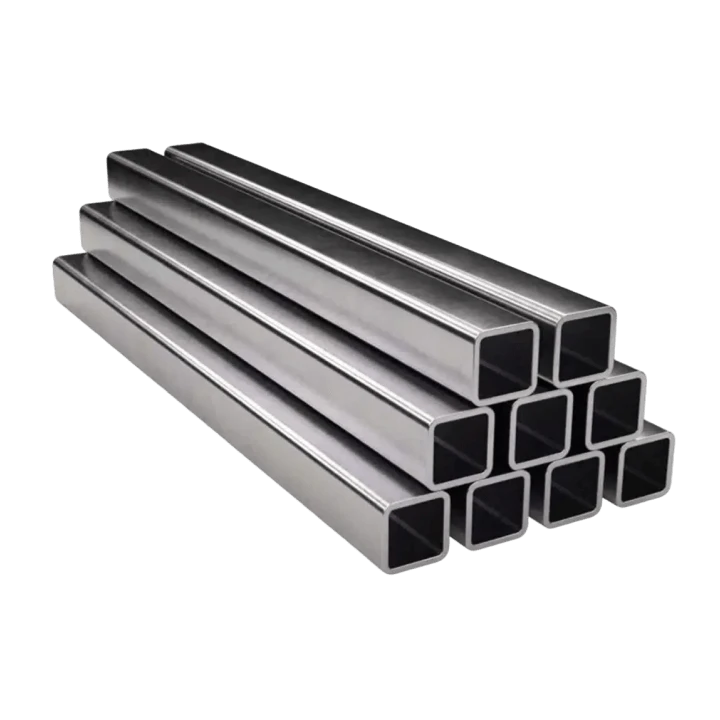
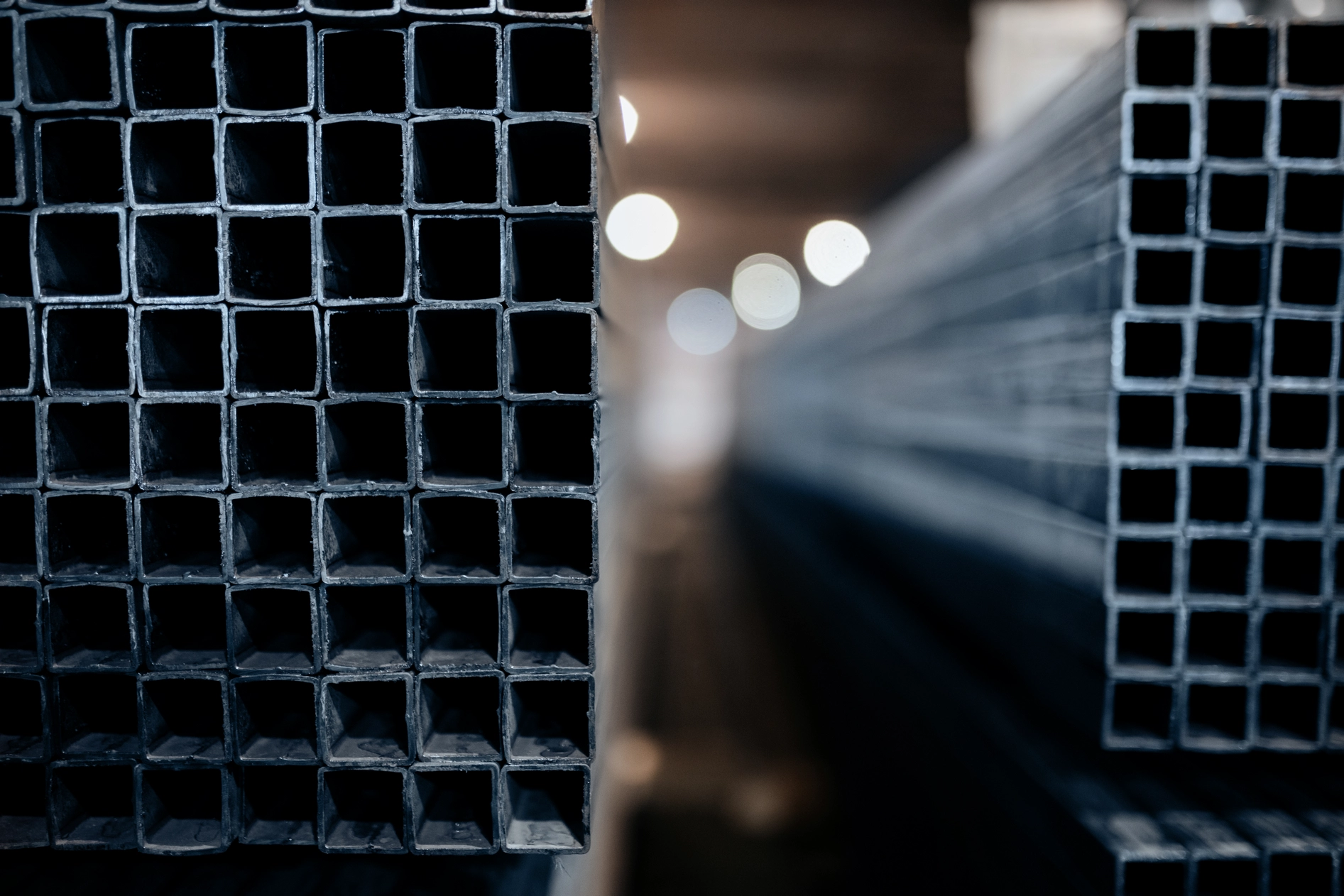
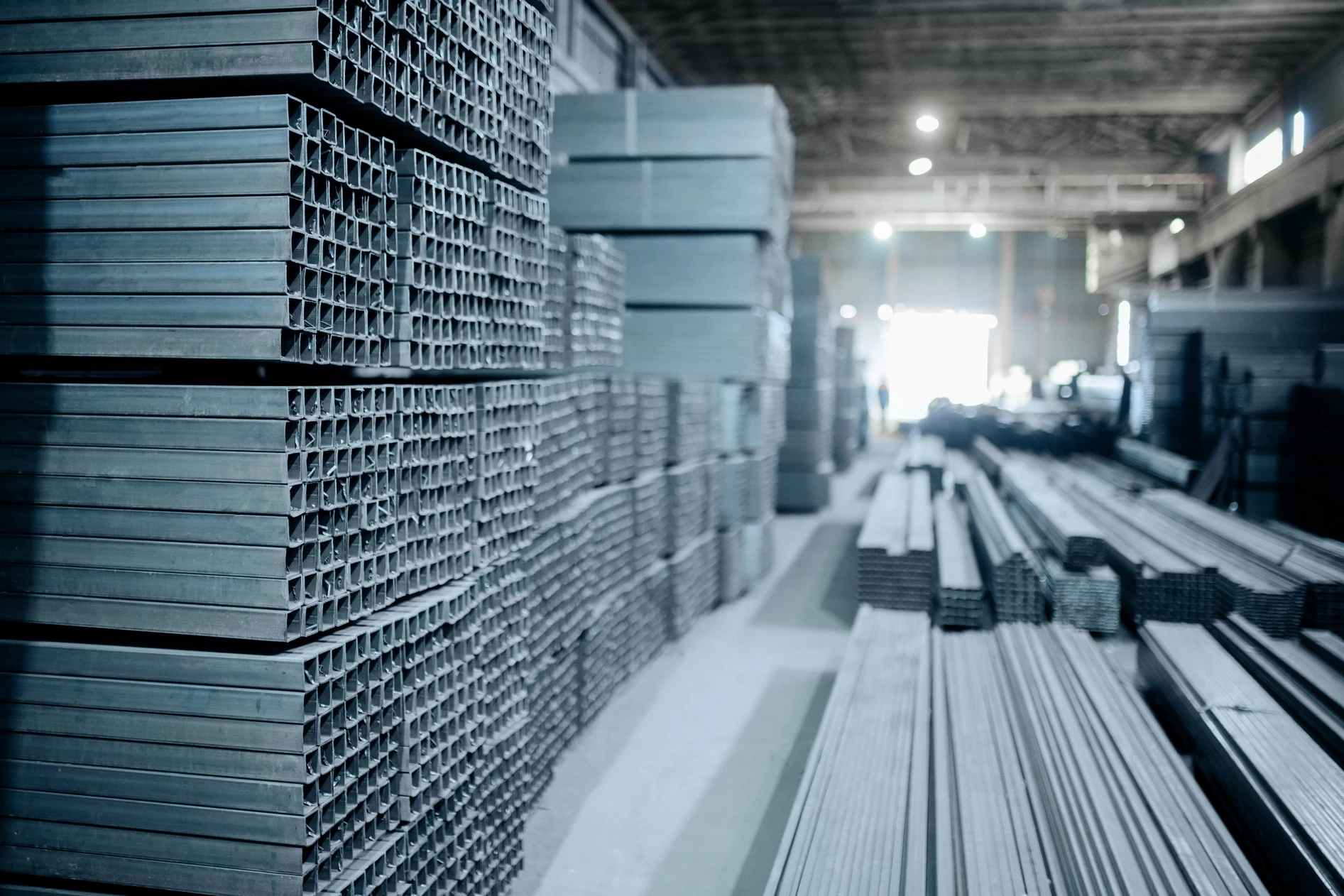
A profile pipe is a steel pipe with a non-circular cross-section, most often square or rectangular. In frame construction, it serves as a load-bearing, bracing or enclosing member.
Main geometric options:
- square profile pipe – the sides are equal (20×20, 40×40, 60×60, 100×100 mm, etc.);
- rectangular profile pipe – the sides differ (40×20, 60×40, 100×50, 120×60 mm, etc.).
Thanks to their closed contour and stiffening edges, such pipes:
- perform well in bending and compression;
- reduce the weight of the frame compared with solid rolled sections;
- make it easy to attach sandwich panels, profiled sheeting and fencing.
Typical applications in Kazakhstan:
- frames of industrial and warehouse buildings;
- prefabricated hangars and logistics complexes;
- canopies, awnings, pavilions and bus shelters;
- fence posts and rails, stair flights, advertising structures;
- supports for utility networks and cable racks.
Types of profile pipes and quality standards
By manufacturing method
- Welded profile pipes
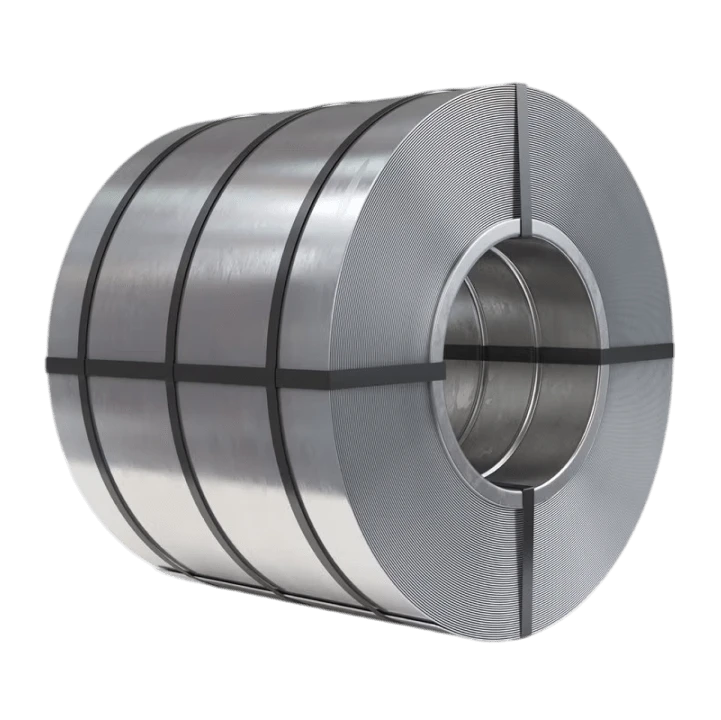
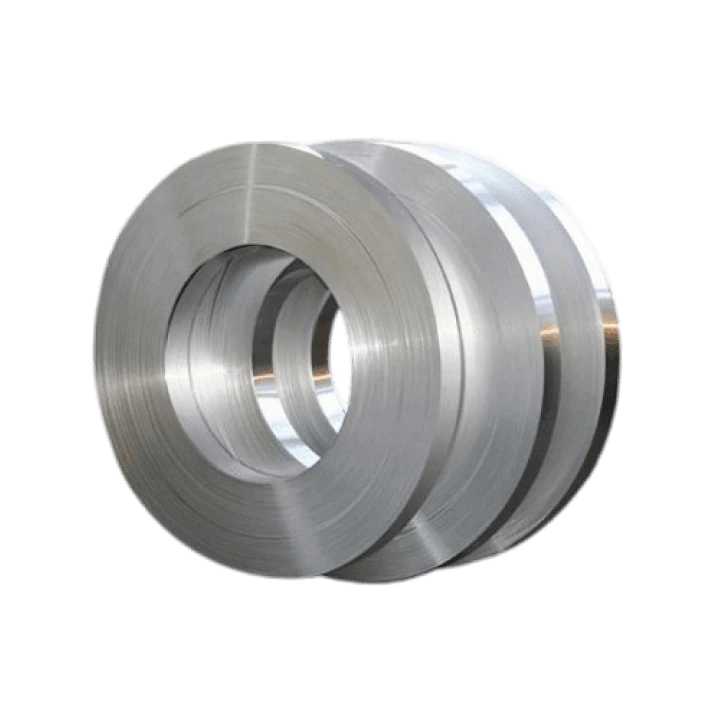
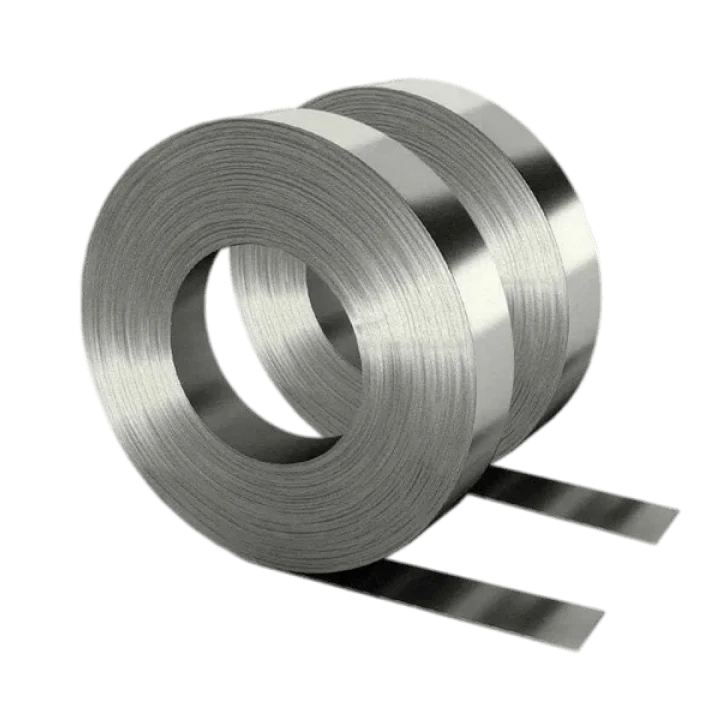
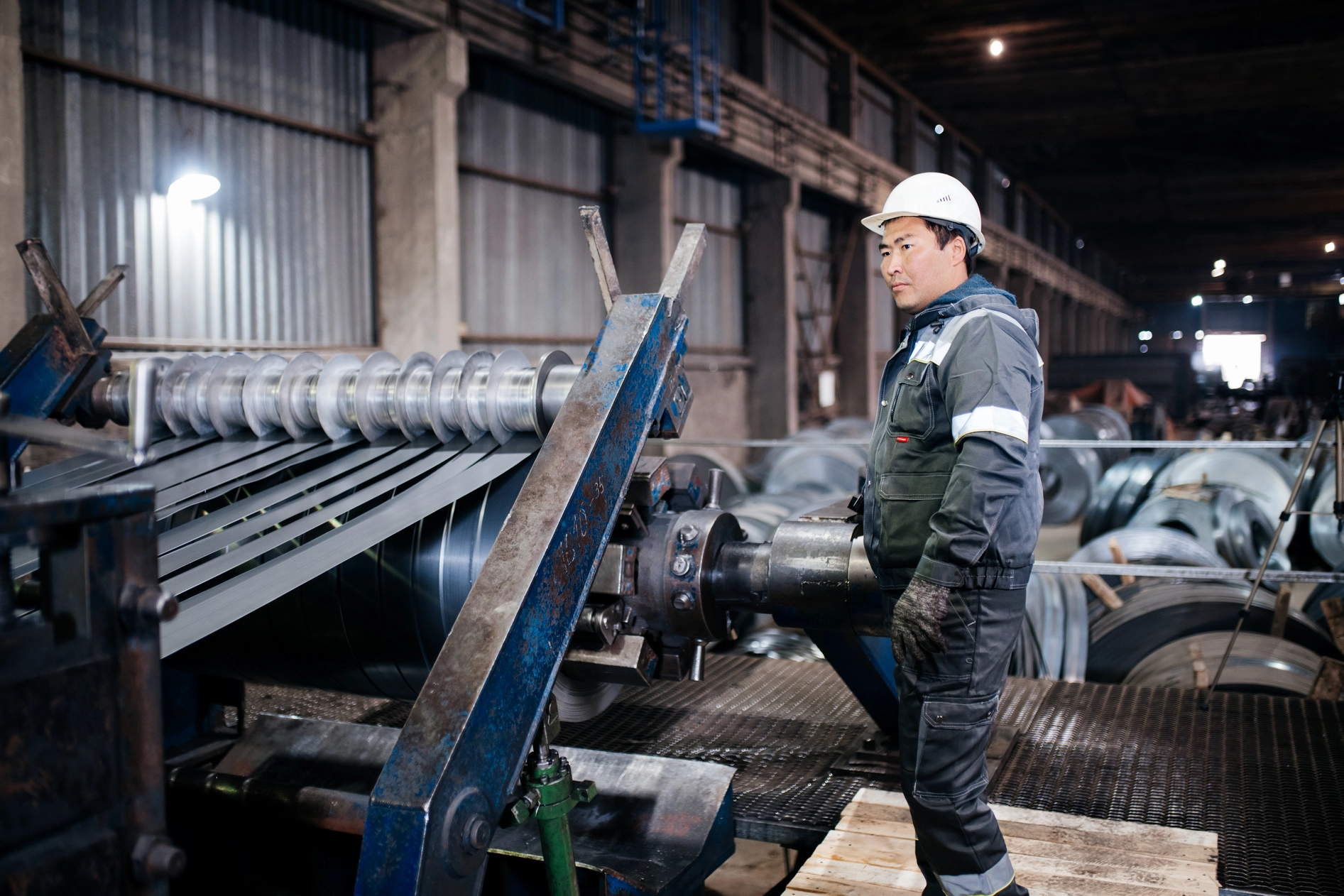
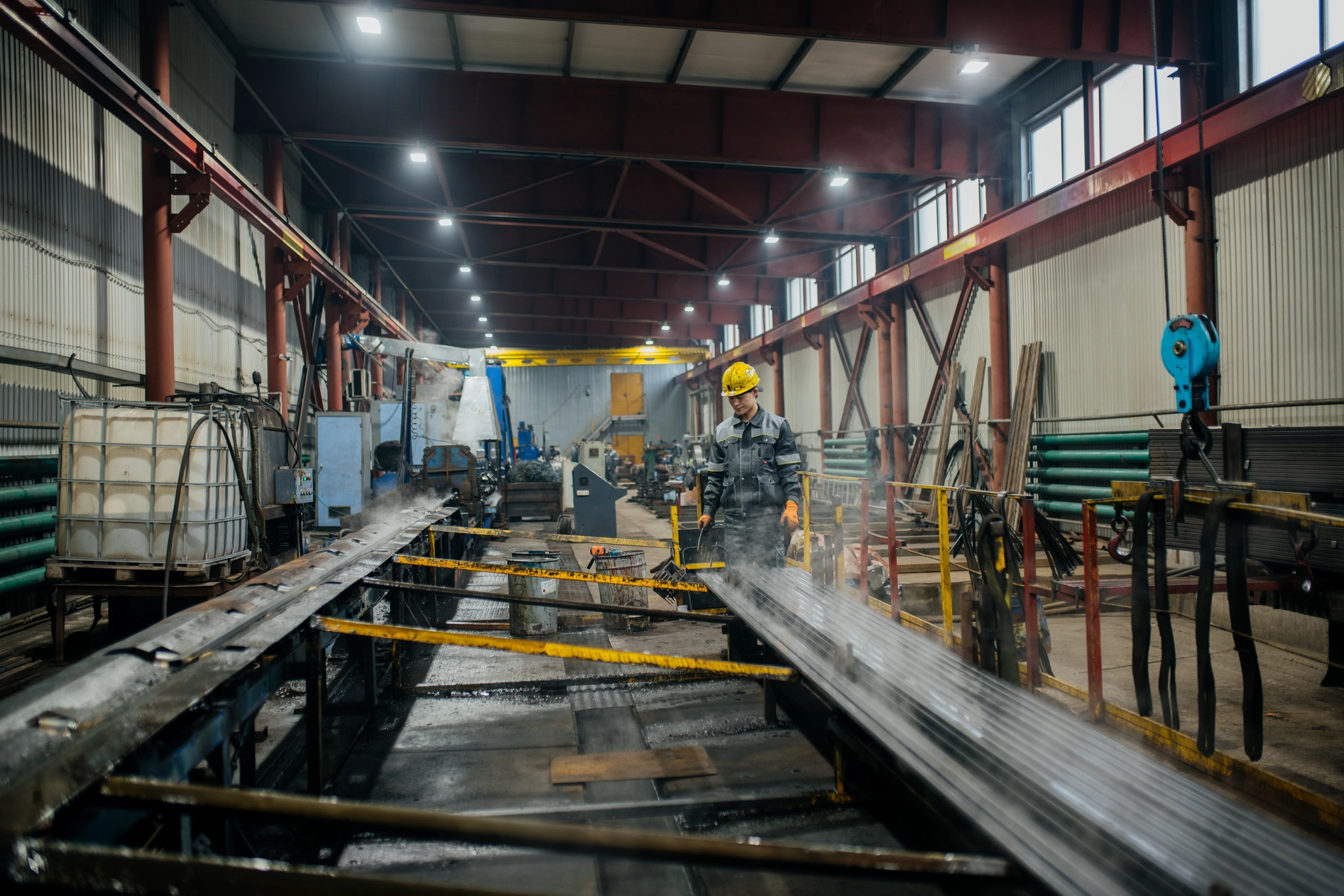
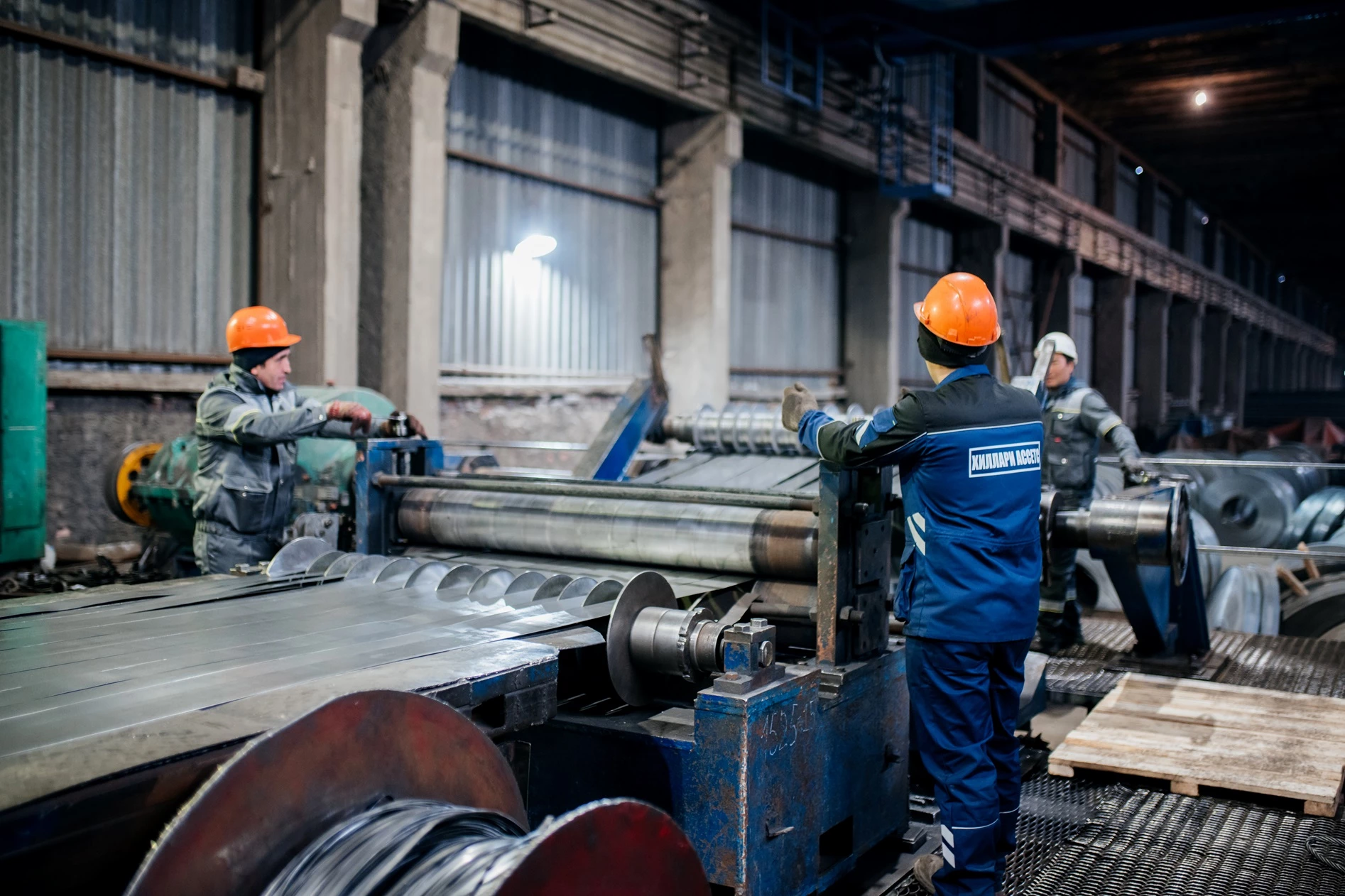
Most of the Hillary Assets in Kazakhstan LLP range consists of welded square and rectangular sections. They are made as follows: a steel strip is formed into a pipe, the longitudinal seam is welded, and the pipe is then rolled into a square or rectangle.
For building frames, such pipe covers most load-bearing requirements while remaining cost-effective.
- Seamless profile pipes
These are used less often – in specialized equipment where high reliability and working-medium pressure matter. In standard industrial construction in Kazakhstan, such pipes are rarely used because of their higher price.
By type of feedstock
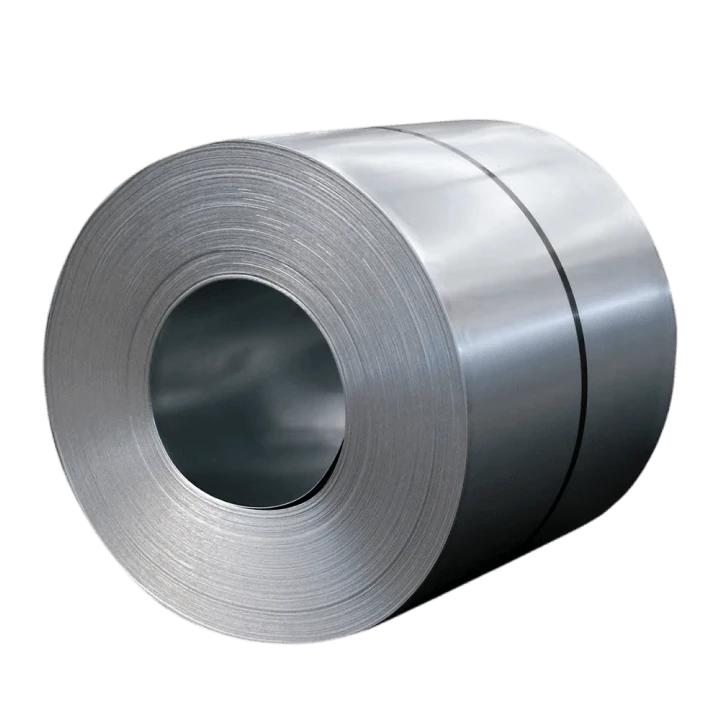
- Hot-rolled steel
It is used to make thicker sections. Hot-rolled steel is well suited for columns, main beams and other critical members that carry significant loads.
- Cold-rolled steel
It is used for thin-walled sections. Cold-rolled steel gives more precise geometry and a smooth surface, which matters for facade systems, glazed structures and interior partitions.
Hillary Assets in Kazakhstan LLP uses both types of rolled steel, so both light and heavy frame solutions can be sourced from a single supplier.
Main standards for profile pipes in Kazakhstan
For square and rectangular pipes used in construction, the company relies on:
- ST TOO 061040004362-001-2016 – the in-house standard of Hillary Assets in Kazakhstan LLP for steel profile pipes used to make building structure members (it sets the size range and the quality and inspection requirements);
- profile pipe GOST 8639-82 – the GOST for square steel profile pipes (it defines the size range, permissible deviations and inspection methods);
- profile pipe GOST 13663-86 – the GOST for general-purpose steel profile pipes, including square and rectangular ones, with technical requirements for chemical composition, mechanical properties and testing.
These interstate standards also apply in the Republic of Kazakhstan, so designers can confidently use them in their calculations, and buyers get clear regulatory language in their specifications.
Sizes and characteristics: examples of popular sections
Below are examples of sizes that are included in the Hillary Assets in Kazakhstan LLP standard and frequently appear in orders.
| Section, mm | Profile type | Wall thickness, mm | Weight per 1 m, kg (theor.) | Standards |
| 20×20 | square profile pipe | 1.5 | ≈0.84–0.9 | ST TOO 061040004362-001-2016, profile pipe GOST 8639-82, profile pipe GOST 13663-86 |
| 25×25 | square profile pipe | 2.0 | ≈1.3–1.4 | same |
| 40×40 | square profile pipe | 2.0–3.0 | ≈2.3–3.5 | same |
| 60×60 | square profile pipe | 3.0 | ≈5.2–5.5 | same |
| 40×20 | rectangular profile pipe | 1.5–2.0 | ≈1.6–2.0 | ST TOO 061040004362-001-2016, profile pipe GOST 13663-86 |
| 60×40 | rectangular profile pipe | 2.0–3.0 | ≈3.0–4.2 | same |
| 100×50 | rectangular profile pipe | 2.5–3.0 | ≈6.0–7.0 | same |
| 120×60 | rectangular profile pipe | 3.0 | ≈8.0–8.5 | same |
The company specifies exact weights and permissible dimensional deviations in its standard and in the quality certificate for each batch.
Use of profile pipes in the B2B sector
For a B2B customer in Kazakhstan, profile pipes for frame construction are a way to reduce steel consumption and speed up construction on site.
Typical cases
- Industrial and warehouse buildings
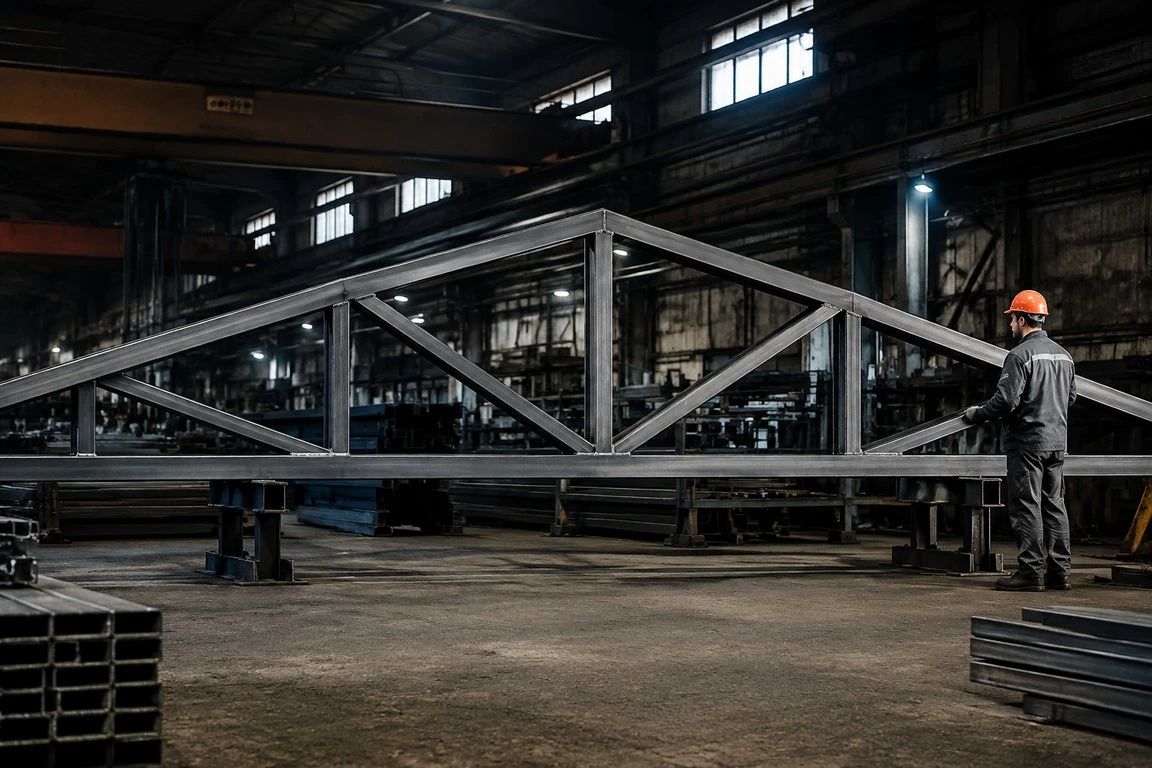
Frames made of square and rectangular pipes (40×40, 60×60, 100×50, etc.) are used in columns, trusses and bracing. The lower weight of the structure reduces the load on the foundation, which in turn cuts the consumption of concrete and rebar.
- Hangars and logistics complexes
Lightweight trusses and frames made of 60×40, 80×80 and 120×60 sections can cover large spans without heavy crane installation. For a business, this means a direct reduction in construction time and equipment rental.
- Agricultural facilities
Frames for grain stores, livestock complexes and greenhouses. Profile pipe is convenient because it combines easily with sheet materials and mesh.
- Infrastructure and urban structures
Parking canopies, bus stops, small retail pavilions, stairs and overpasses. Here, appearance matters as much as strength – especially when the structure is located in an urban environment.
Why it pays off for B2B customers
- metal savings compared with solid members;
- lower frame weight and less load on the foundation;
- easy installation and welding along flat faces;
- a smaller surface area means less paint and fire protection;
- the option to order profile pipe production in Kazakhstan for a specific project, without unnecessary length waste.
Hillary Assets in Kazakhstan LLP works both with the standard range and with custom sizes, which is convenient for large construction and installation contractors and industrial enterprises.
Tips on selection and purchasing
A buyer needs not only to choose the right size, but also to make sure the pipes actually meet the declared standards and operating conditions.
1. Collect data from the designer
Before requesting a quotation, clarify:
- the section type: square profile pipe or rectangular profile pipe;
- dimensions and wall thickness;
- the applicable standards (ST TOO 061040004362-001-2016, profile pipe GOST 8639-82, profile pipe GOST 13663-86);
- the steel grade and design loads.
The more accurate the input data, the easier it is to compare offers from different suppliers.
2. Check certificates and origin
Ask the supplier for:
- a certificate of conformity or a declaration for the pipes;
- a quality certificate for each batch stating the GOST and the actual test results;
- if required, a copy of the CT-KZ certificate confirming the Kazakhstani origin of the products.
In the documents for profile pipes from Hillary Assets in Kazakhstan LLP, you will see EAEU CN FEA codes 7306619209 and 7306619909, which are stated in the certificates of conformity for wall thicknesses of 1.0–2.0 mm and 2.0–3.0 mm respectively. This simplifies customs procedures and participation in public procurement.
3. Match the wall thickness to the load
General guidelines:
- fences, light canopies – 20×20, 40×20, wall 1.5–2 mm;
- frames for small pavilions and site cabins – 40×40, 60×40, wall 2–3 mm;
- load-bearing structures of warehouses and hangars – from 60×60, 80×80, wall 3 mm and more.
If the structure is critical, it is better to rely on the structural engineer’s calculations rather than on “this is what we usually use”.
4. Consider the operating conditions
- For outdoor use and aggressive environments, choose thicker-walled sections and resistant steel grades.
- In heated buildings, you can use thin-walled sections made of cold-rolled steel – they are lighter and neater.
- For areas with impact and dynamic loads, it makes sense to specify thicker hot-rolled steel.
5. Discuss the delivery format with the manufacturer
With Hillary Assets in Kazakhstan LLP, you can agree in advance on:
- length (fixed, random or multiple lengths – to reduce cutting waste);
- packaging: bundles, strapping, marking by project site;
- the option of shipping in batches according to the construction schedule;
custom profile pipe production in Kazakhstan to the customer’s drawings.
Conclusion
Square and rectangular profile pipes are a basic material for framed buildings, hangars, canopies and engineering structures. Using products from the local manufacturer Hillary Assets in Kazakhstan LLP, made to ST TOO 061040004362-001-2016 on the basis of profile pipe GOST 8639-82 and profile pipe GOST 13663-86, allows B2B customers in Kazakhstan to:
- get consistent quality and a clear regulatory framework;
- shorten delivery times thanks to local production;
- optimize metal consumption and the cost of the frame.
If you need sections selected for a specific project, a weight calculation and a quotation, you can contact Hillary Assets in Kazakhstan LLP via Hil.kz – its specialists will help you choose profile pipes to suit your loads, budget and construction schedule.
News
All news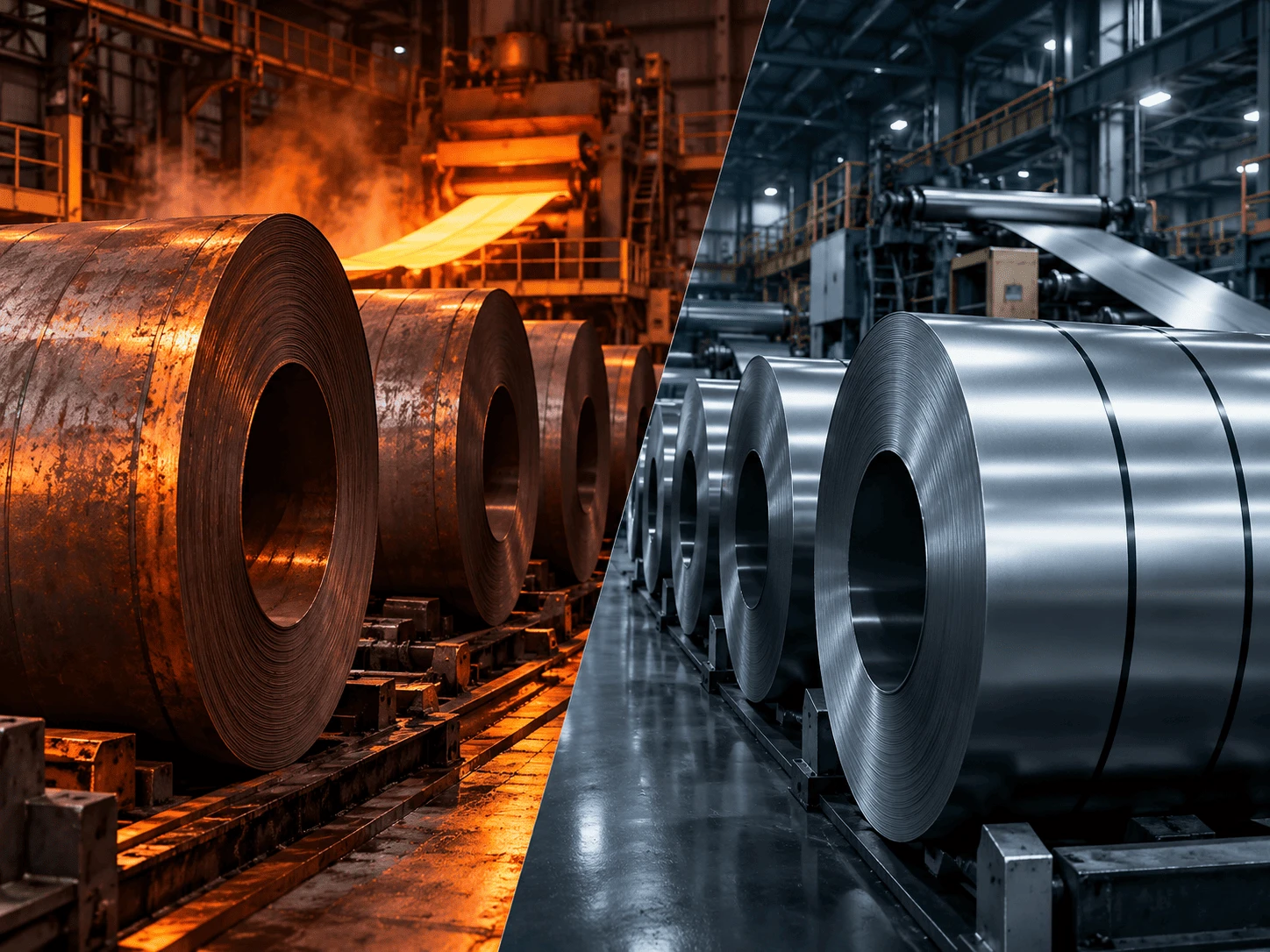
30.09.2026
Hot-rolled and cold-rolled strip: what is the difference and which to choose
03.09.2026
Profile Pipe Trusses for Canopies: A Complete Guide to Selection, Calculation and Installation
06.02.2026
Railway siding services in Temirtau: receiving, unloading, storage
06.02.2026