

Hot-rolled and cold-rolled steel: what you need to know
Published December 2025
Steel remains the basic material for construction, mechanical engineering and steel structure fabrication in Kazakhstan. The Hillary Assets in Kazakhstan LLP catalog includes both hot-rolled steel and cold-rolled steel, as well as sheet and pipe products.
Steel remains the basic material for construction, mechanical engineering and steel structure fabrication in Kazakhstan. The Hillary Assets in Kazakhstan LLP catalog includes both hot-rolled steel and cold-rolled steel, as well as sheet and pipe products.
The right choice determines the service life of the structure, the accuracy of its geometry and the cost of the project.
Below we look at how the production technologies differ, what properties the metal acquires, and when it pays to use one type of rolled product or the other.
How hot-rolled and cold-rolled products are made
Hot-rolled steel production
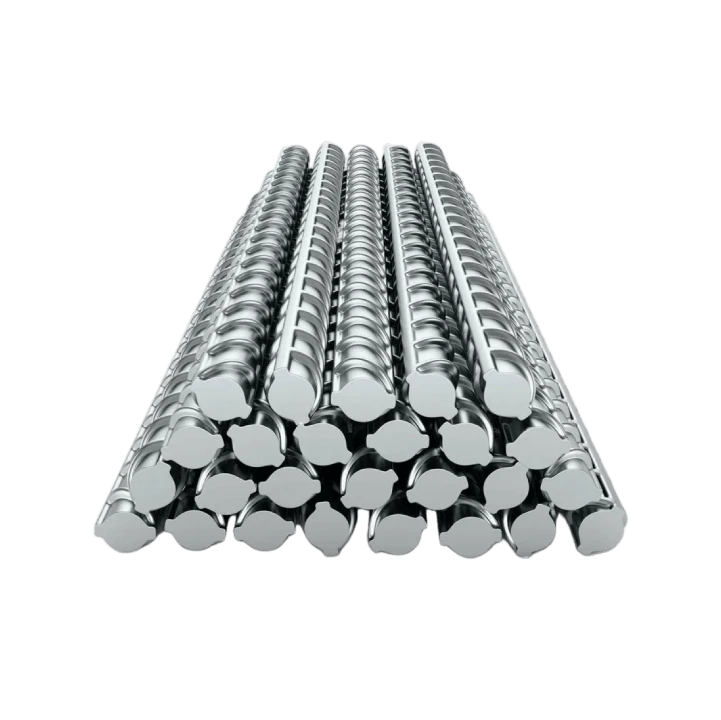
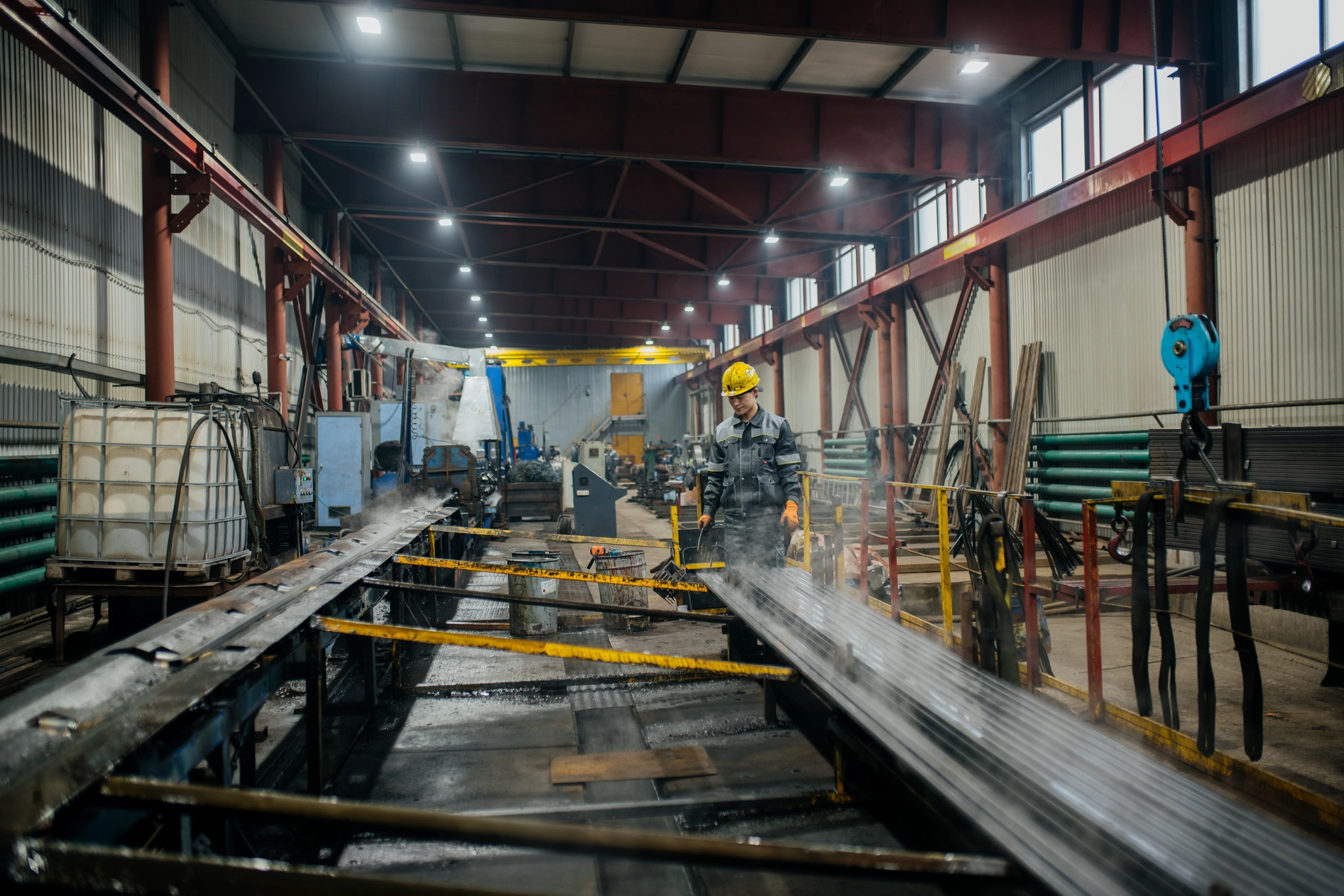
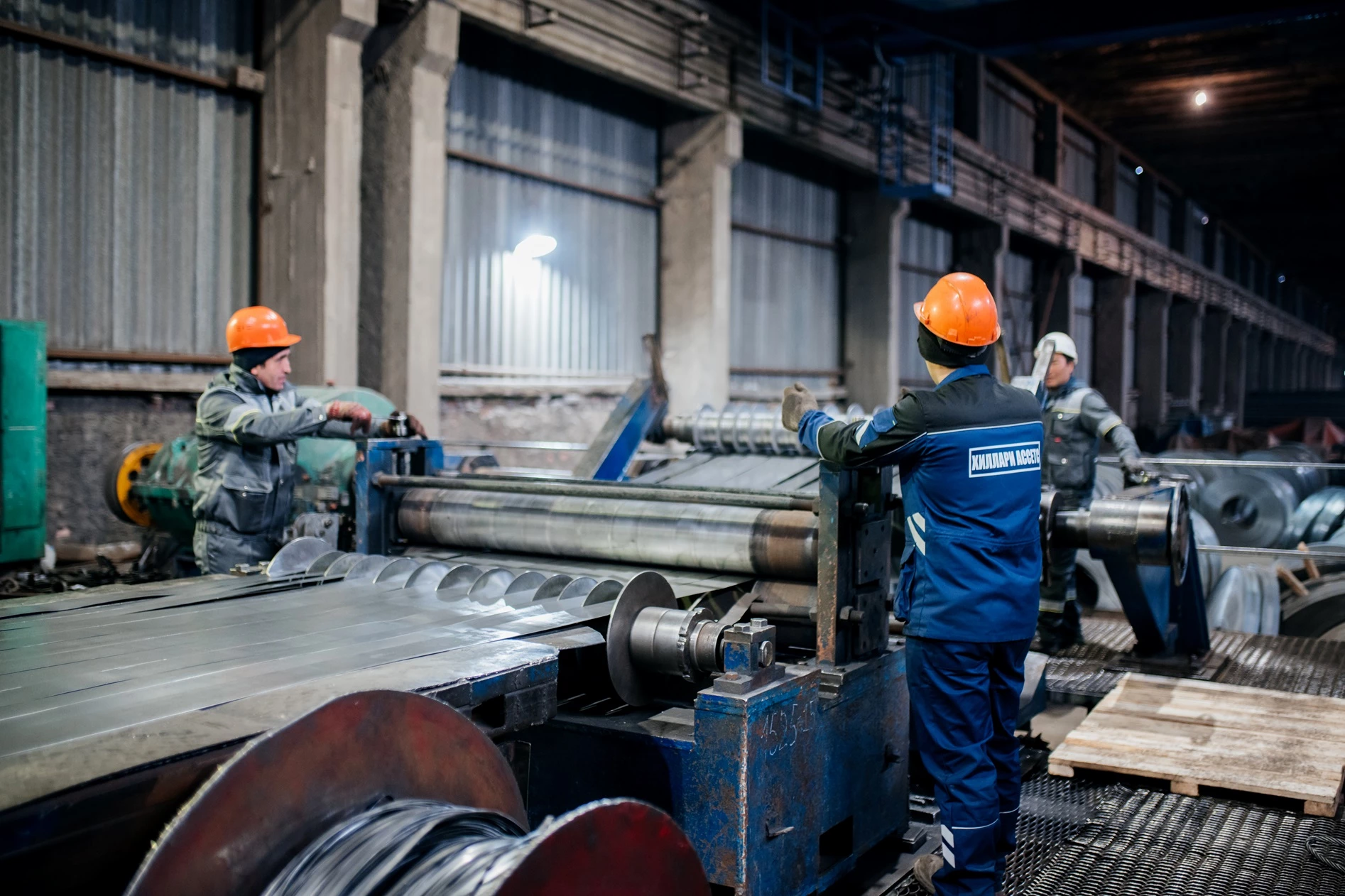
Hot-rolled products are produced at high temperature — above the recrystallization temperature of steel. The billet (a slab or a billet of rectangular/round section) is heated, passed through rolls and formed to the required thickness and width.
The stages in brief:
- Heating the steel billet in a furnace.
- Repeated rolling through the rolls.
- Cooling on roller tables.
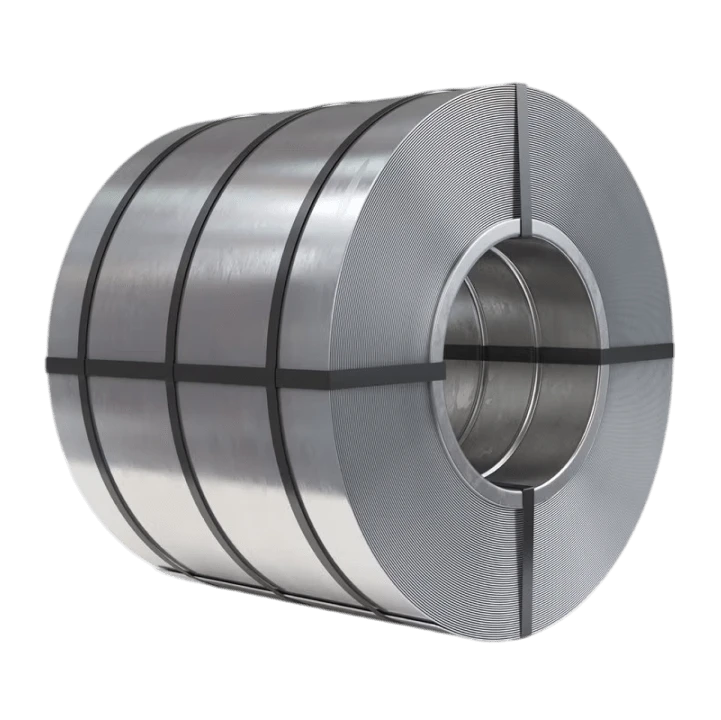
- Cutting to measured lengths or coiling.
With this method the metal forms well, but cooling causes minor geometry distortions, mill scale on the surface and internal stresses.
Cold-rolled steel production
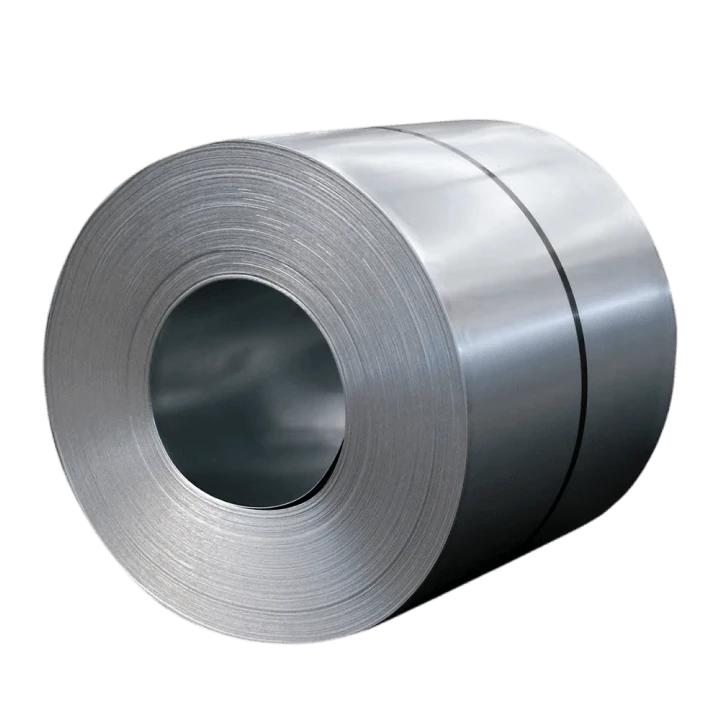
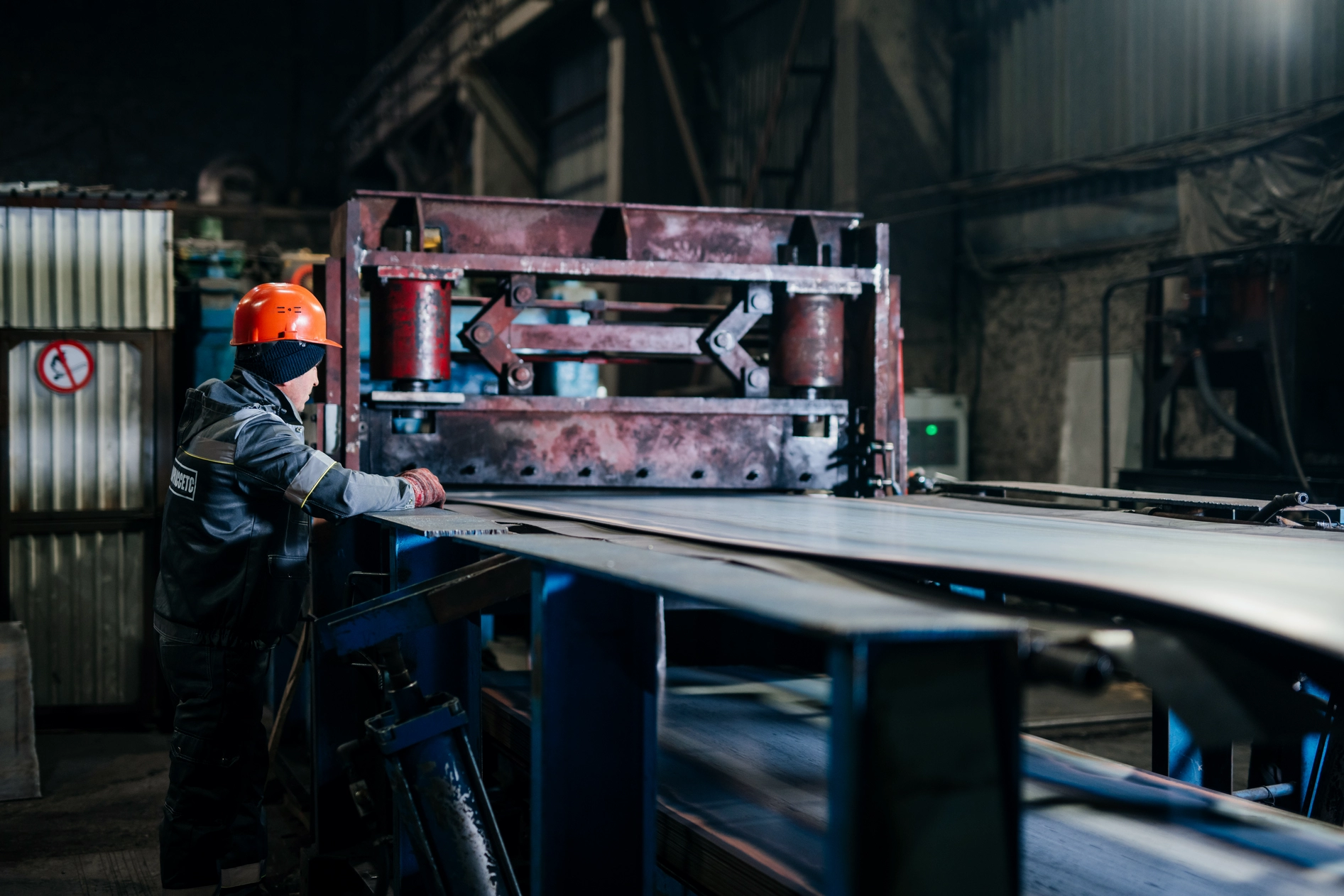
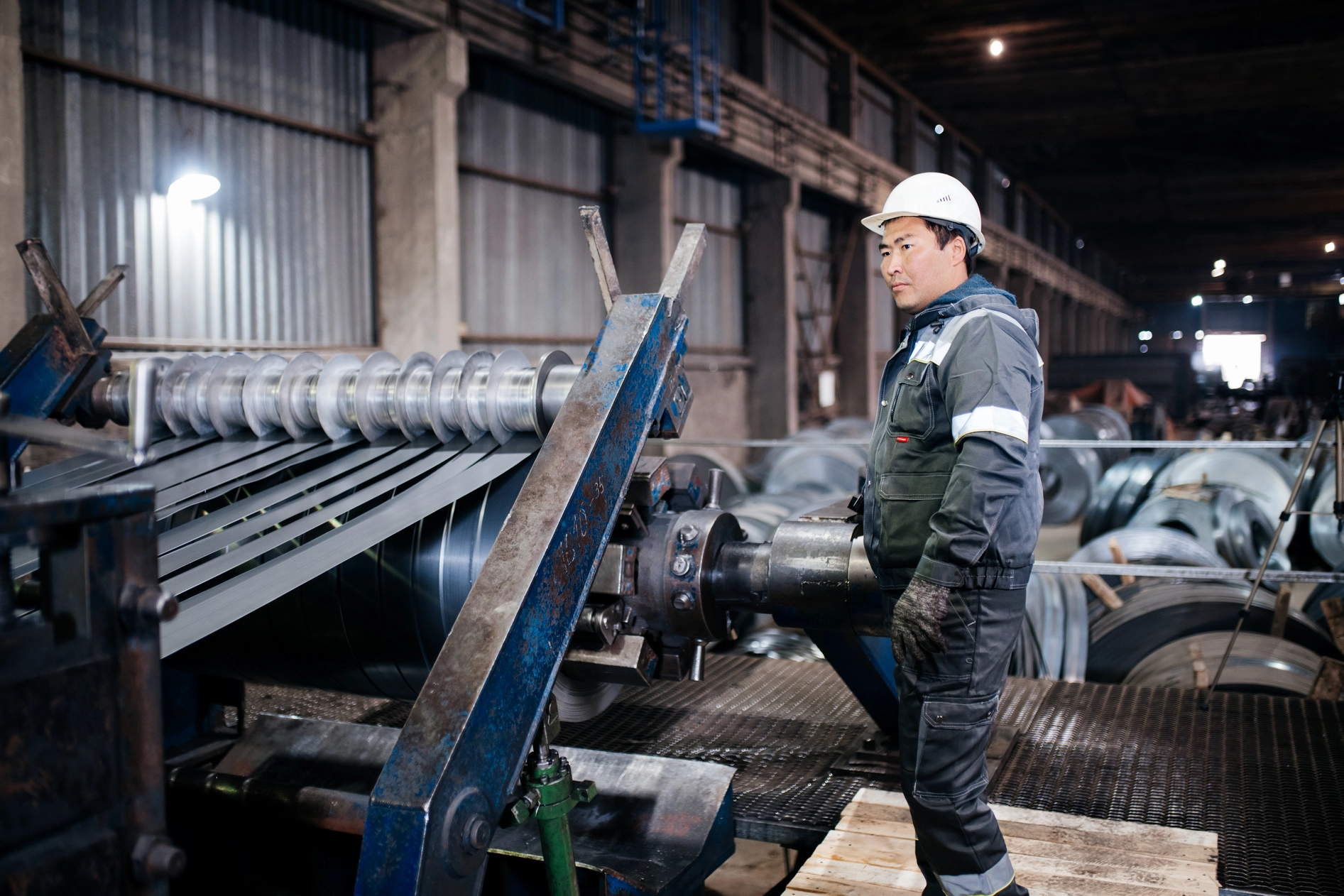
Cold-rolled products are made from hot-rolled semi-finished products. The coil or sheet is rolled again at close to room temperature. This strengthens the metal, reduces its thickness and makes the surface flatter and smoother.
The basic stages:
- pickling the surface to remove mill scale;
- rolling at low temperature;
- sometimes — recrystallization annealing to relieve internal stresses;
- straightening and cutting.
This approach gives high dimensional accuracy and a clean surface, but increases the cost and stiffness of the metal.
Key differences in properties
Strength and ductility
Cold working strengthens steel: yield strength and hardness increase, but ductility decreases. That is why cold-rolled products usually withstand higher bending and tensile loads but cope less well with severe local deformation, such as impact stamping.
Hot-rolled metal, on the other hand, is more ductile and “forgives” overbending and rebending on site. It is convenient where a part needs to “give” slightly under load without cracking.
Geometric accuracy and surface quality
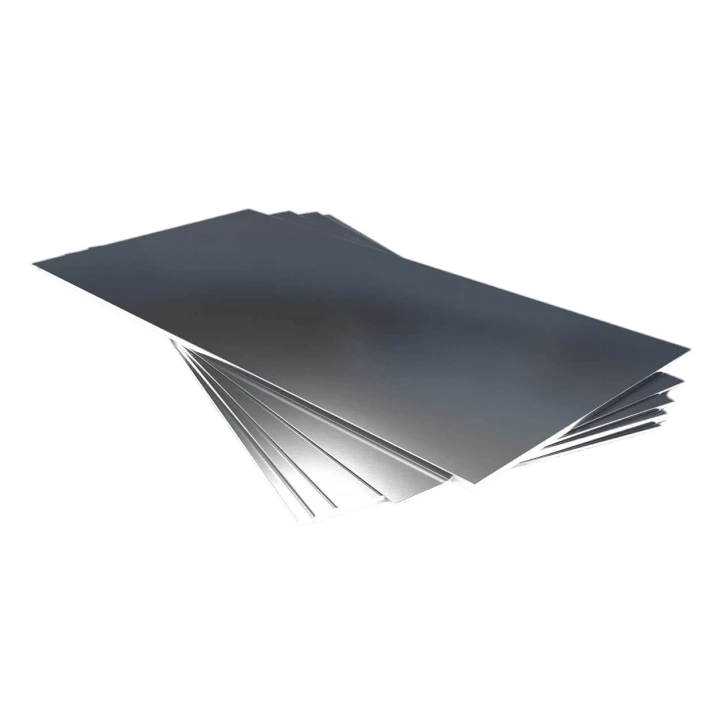
For products with high requirements for appearance and dimensional tolerances, the usual choice is cold-rolled steel sheet:
- minimal deviations in thickness and width;
- a flat, smooth surface without mill scale;
- convenient for painting and decorative coatings.
Hot-rolled sheet has a wider thickness tolerance, slight waviness and visible mill scale. This is not critical for load-bearing structures, and it lowers the price of the material.
Weldability and workability
In practice, what matters is not only strength but also how easy the metal is to work with in production:
- hot-rolled blanks are usually easier to weld and bend;
- cold-rolled ones require more careful welding and bending modes but behave predictably in precision cutting and stamping.
For many tasks a sensible scheme is: hot-rolled sheet or flat bar for the load-bearing frame, cold-rolled for elements where geometry and appearance matter.
Applications of hot-rolled steel
Hot-rolled metal is the “workhorse” of the construction market. It is used where appearance is secondary and load-bearing capacity and cost-efficiency are what count.
Typical applications:
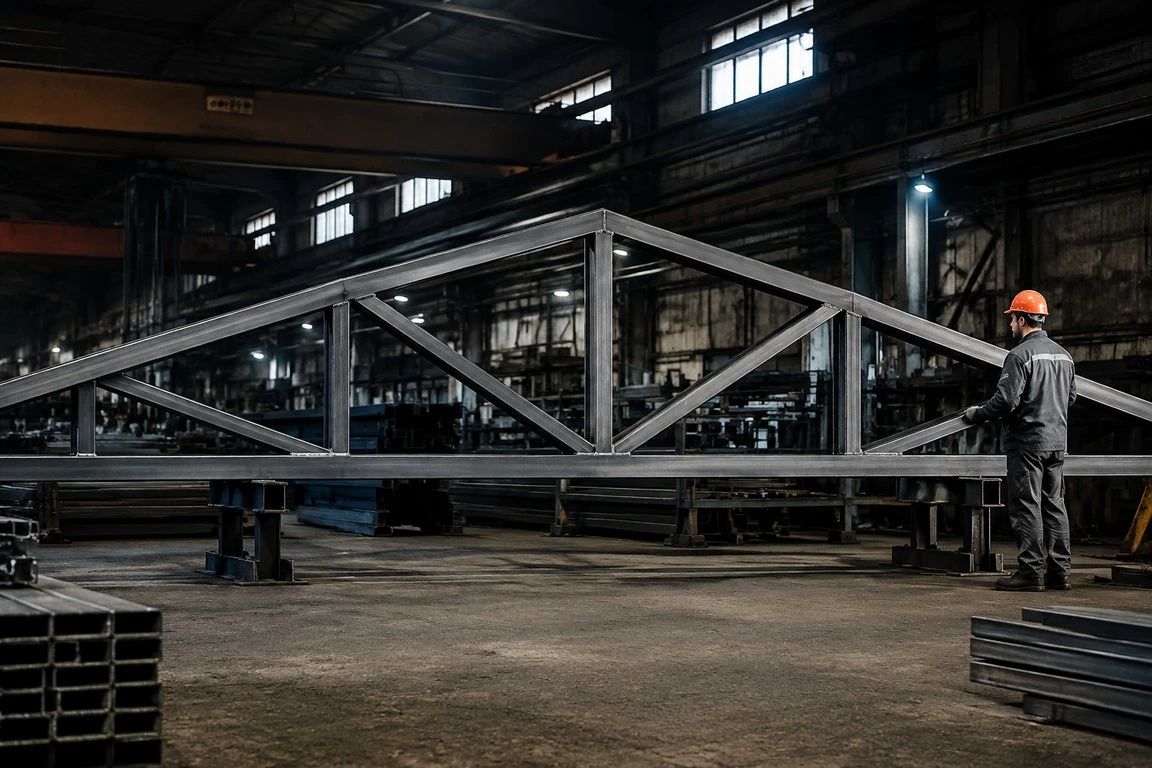
- load-bearing beams and trusses;
- columns and frame chords;
- supporting elements of process equipment;
- embedded parts and foundation elements;
- fences and support posts where strength comes first.
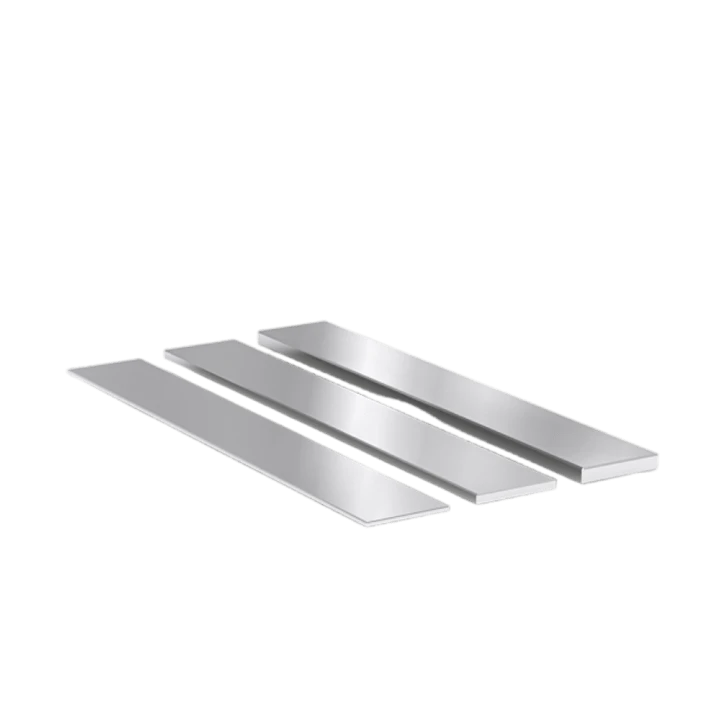
For such tasks, a convenient option is structural steel in the form of beams, channels, sheets and flat bars. In Kazakhstan, some of these items can be replaced with profile pipes — they are lighter, and their section moment of inertia is higher than that of solid rolled sections of comparable weight.
When to choose cold-rolled steel
Cold-rolled steel is in demand where appearance, precise dimensions and consistent properties across a batch are important:
- equipment housings and cladding;
- elements of ventilation systems and air ducts;
- door leaves, racks, furniture frames;
- thin-walled stamped parts;
- products with galvanized or polymer coating.
A smooth surface reduces paint consumption and improves coating adhesion, while precise thickness simplifies calculations and the selection of fasteners. This is especially convenient in serial production, where every millimeter affects assembly.
Hot-rolled and cold-rolled steel in profile pipes
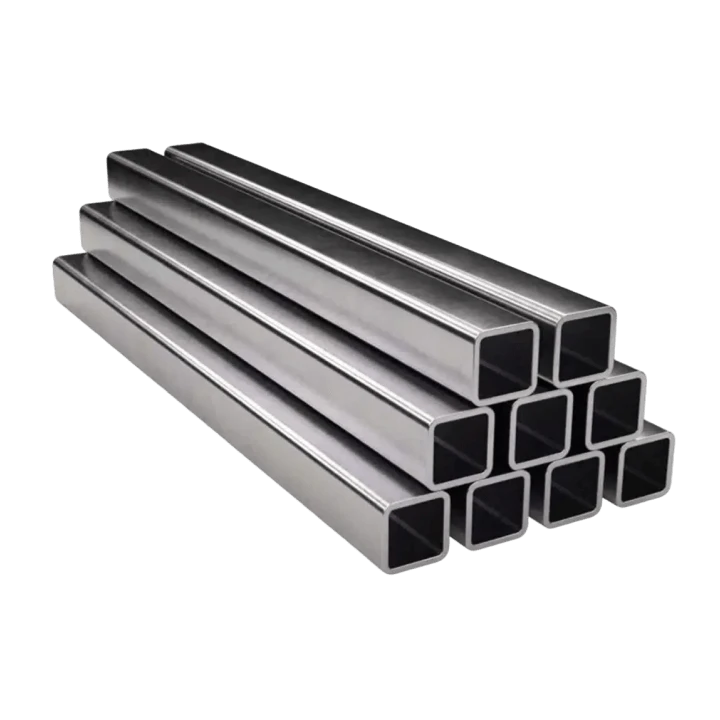
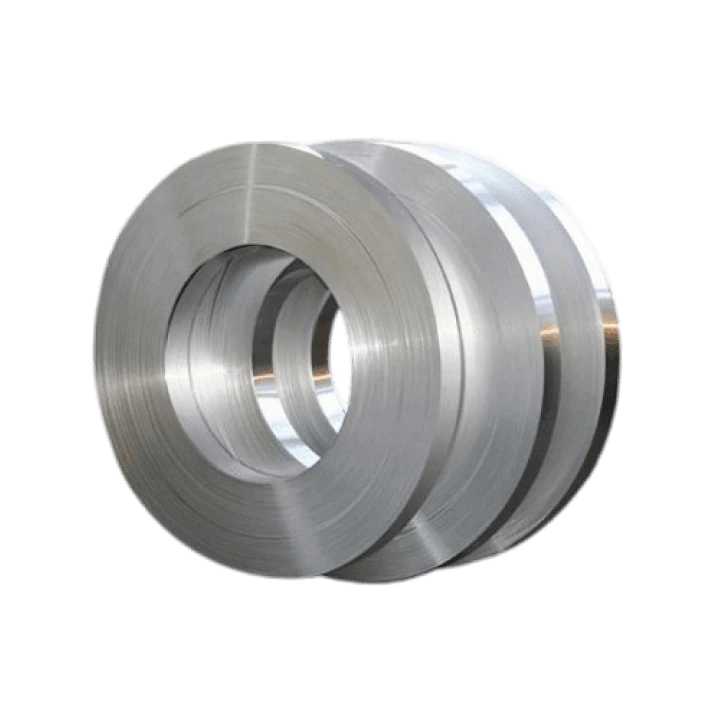
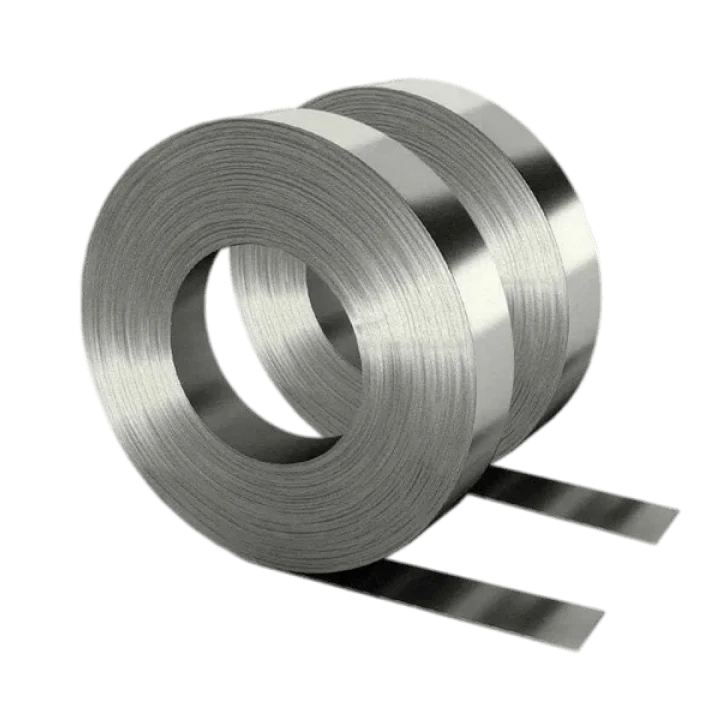
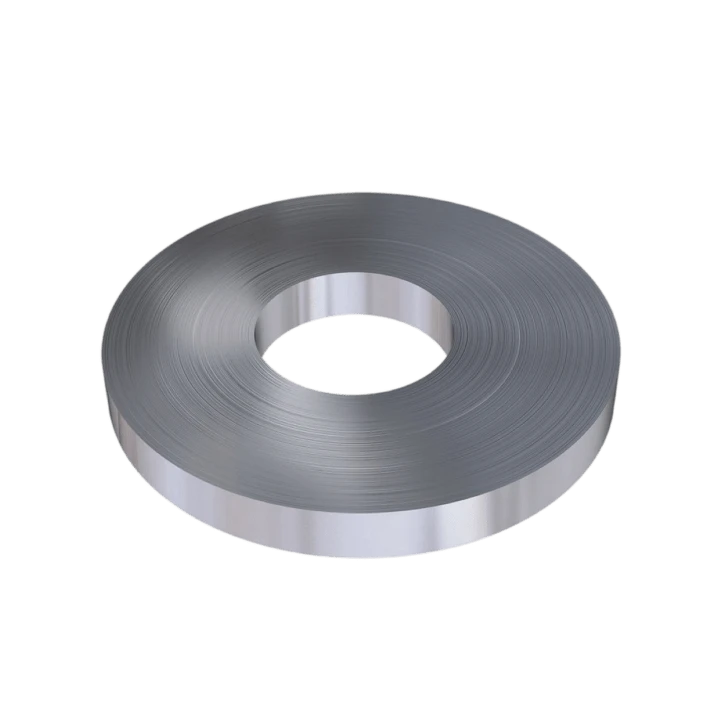
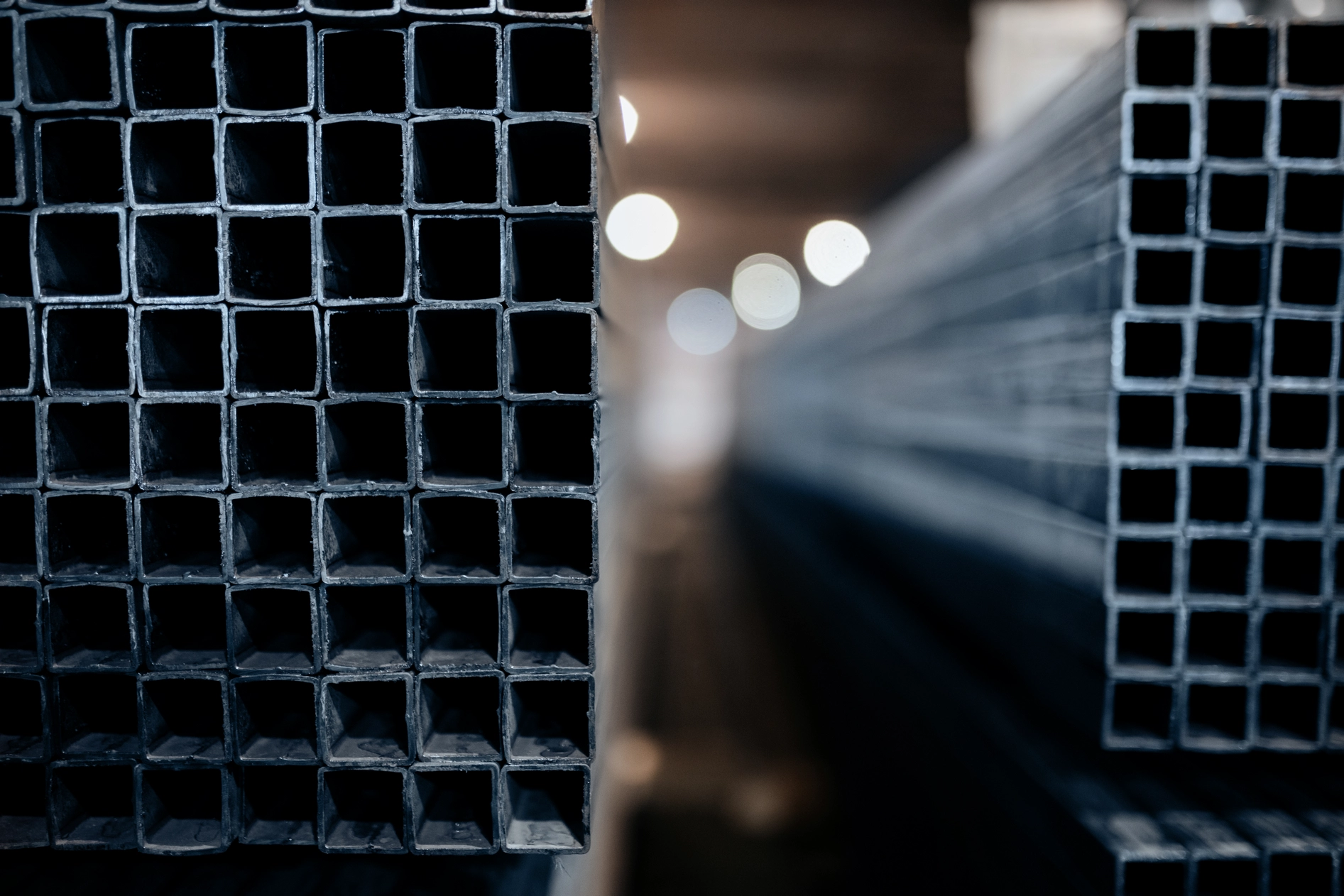
For Hillary Assets in Kazakhstan LLP, the key product is profile pipe of square and rectangular section. These pipes are made from strip produced by hot or cold rolling.
The choice of steel feedstock depends on:
- the design load on the structure;
- geometry requirements (for example, for automated welding);
- operating conditions (outdoors, indoors, aggressive environment);
- project cost requirements.
Hil.kz profile pipes are produced to GOST 8639-82 (square) and GOST 13663-86 (rectangular), as well as to the in-house specifications ST TOO 061040004362-001-2016.
This guarantees compliance with the dimensions, limit deviations and steel characteristics required for construction and industrial applications.
Profile pipes for construction: what to use where
Profile pipes for construction make it possible to lighten the frame compared with solid beams and channels while maintaining load-bearing capacity. In Kazakhstan they are widely used:
- in frames of industrial and warehouse buildings;
- for racking systems;
- for fences and gates;
- in trusses of canopies and awnings;
- in light frame buildings and modular structures.
A practical approach:
- for load-bearing frames embedded in concrete and heavy frames, hot-rolled strip is often sufficient;
- for thin-walled structures with higher accuracy requirements (curtain wall systems, light steel frames, retail equipment), it pays to use cold-rolled feedstock.
This way you combine reliability and a neat appearance without overusing metal.
How to choose steel for your project
To avoid mistakes, it helps to go through a few steps:
- Define the purpose of the structure.
Is it a load-bearing frame, a fence, cladding or a decorative element?
- Assess the geometry requirements.
Do you need tight tolerances, standard sizes for automatic welding, or a fit with ready-made systems?
- Take operating conditions into account.
Outdoors, indoors, contact with moisture, temperature swings.
- Agree on the budget.
The hot-rolled option is usually cheaper; cold-rolled steel costs more but offers advantages in accuracy and finish.
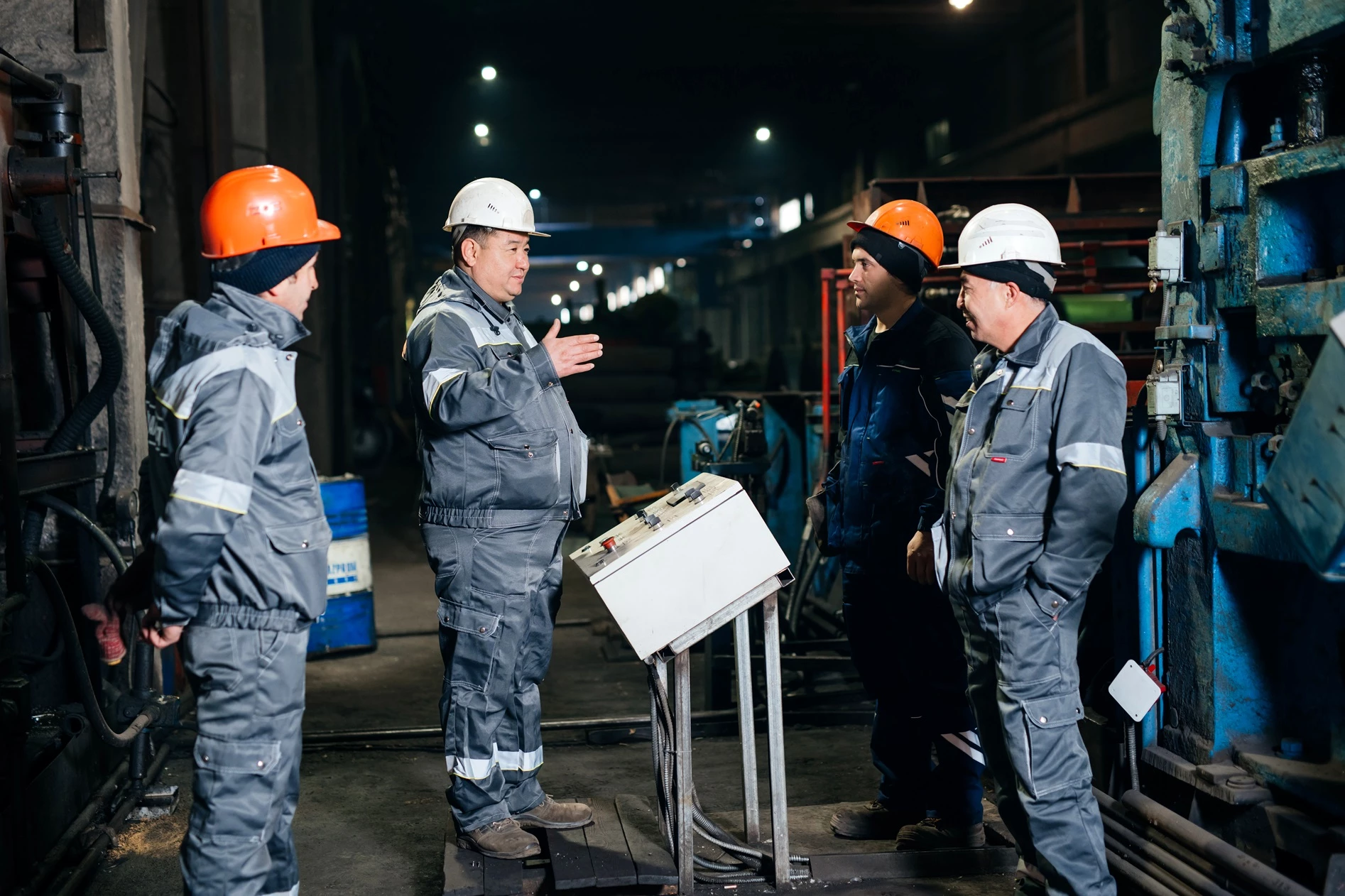
Hil.kz specialists help select the optimal combination of rolled product types for a specific project, so that you don't overpay for unnecessary characteristics while still meeting regulatory requirements.
Hillary Assets in Kazakhstan and its role in the Kazakh market
Since 2001, Hillary Assets in Kazakhstan LLP has been engaged in wholesale trade and in-house production of rolled steel products: sheet, pipe and strip.
This gives customers several advantages:
- you can cover your needs for sheets, pipes and strip in one place;
- there is a choice between hot-rolled and cold-rolled feedstock;
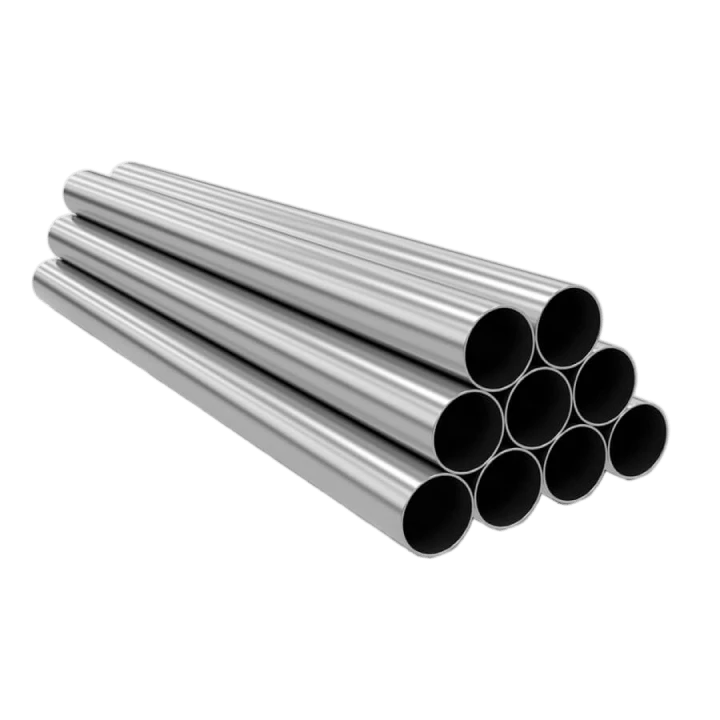
- profile and round pipes can be made to the customer's requirements;
- reliable rolled steel supply in Kazakhstan from two sites — in Almaty and Temirtau.
If you are planning a project and are not sure which steel to choose, the easiest way is to send the initial data to Hil.kz specialists: purpose of the structure, loads, operating conditions. They will suggest an option that fits the calculations, standards and an optimal budget.
This approach — taking the task into account first and then choosing the material and type of rolled product — makes structures predictable in terms of service life and costs, and makes approvals and expert reviews easier to pass.
News
All news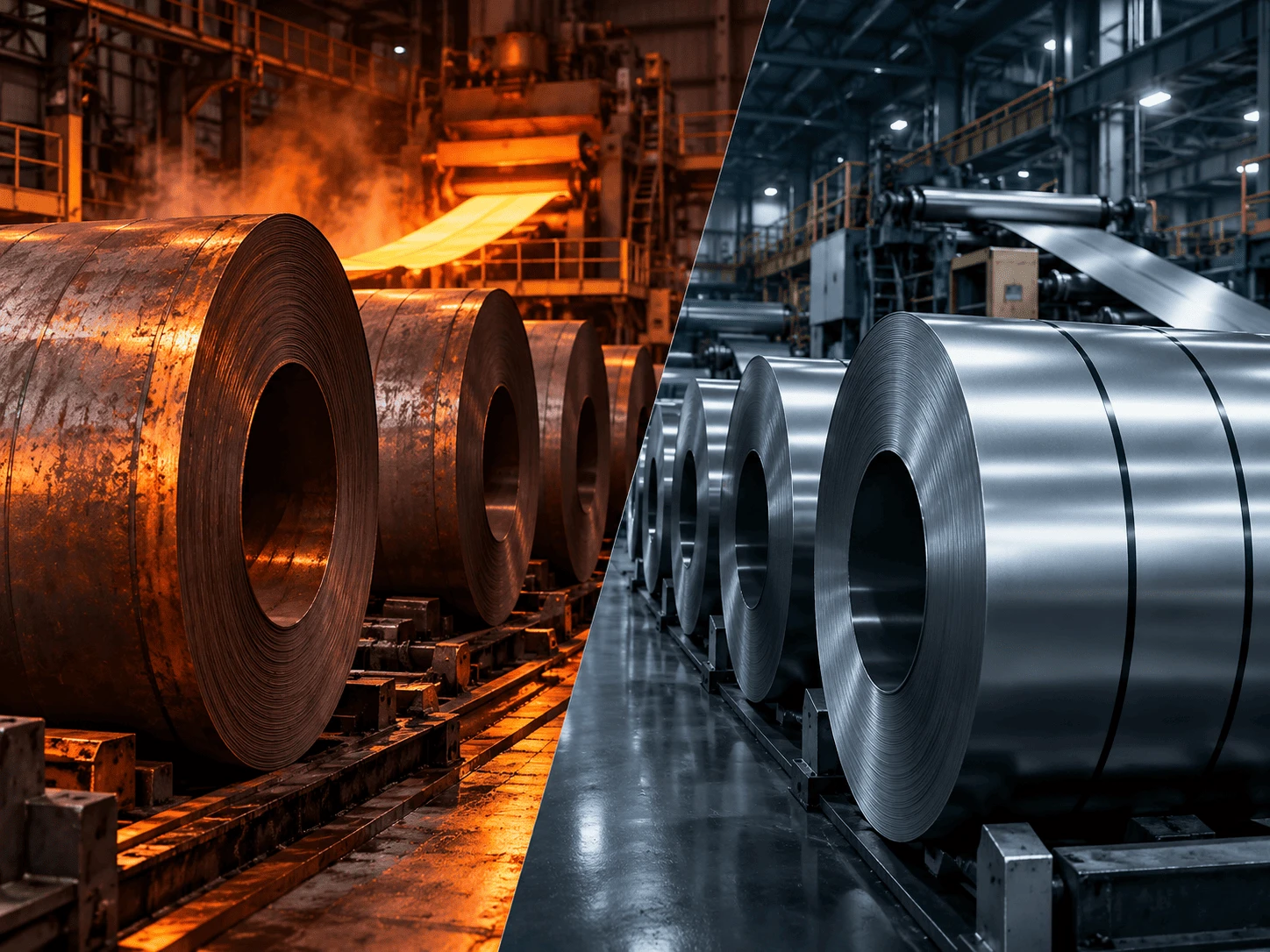
30.09.2026
Hot-rolled and cold-rolled strip: what is the difference and which to choose
03.09.2026
Profile Pipe Trusses for Canopies: A Complete Guide to Selection, Calculation and Installation
06.02.2026
Railway siding services in Temirtau: receiving, unloading, storage
06.02.2026