

Railway siding services in Temirtau: receiving, unloading, storage
Published February 2026
If your cargo travels by rail, the most common risk is “the railcar has arrived, but there is nowhere to unload it.” Then the rush begins: finding equipment, a yard, transport and people, and coordinating the car placement. To avoid losing time, it is easier to choose a railway siding in advance where railcars can be received, cargo unloaded into trucks or onto a yard, and then calmly taken away in batches.
If your cargo travels by rail, the most common risk is “the railcar has arrived, but there is nowhere to unload it.” Then the rush begins: finding equipment, a yard, transport and people, and coordinating the car placement. To avoid losing time, it is easier to choose a railway siding in advance where railcars can be received, cargo unloaded into trucks or onto a yard, and then calmly taken away in batches.
In Temirtau, this can be arranged at the facilities of Hillary Assets in Kazakhstan LLP: the company receives and unloads railcars, handles placement/removal and provides an open yard for storage.
Who the railway siding in Temirtau is for
The railway siding in Temirtau is convenient when:
- cargo arrives in batches by the railcar, and there is no access track at your site;
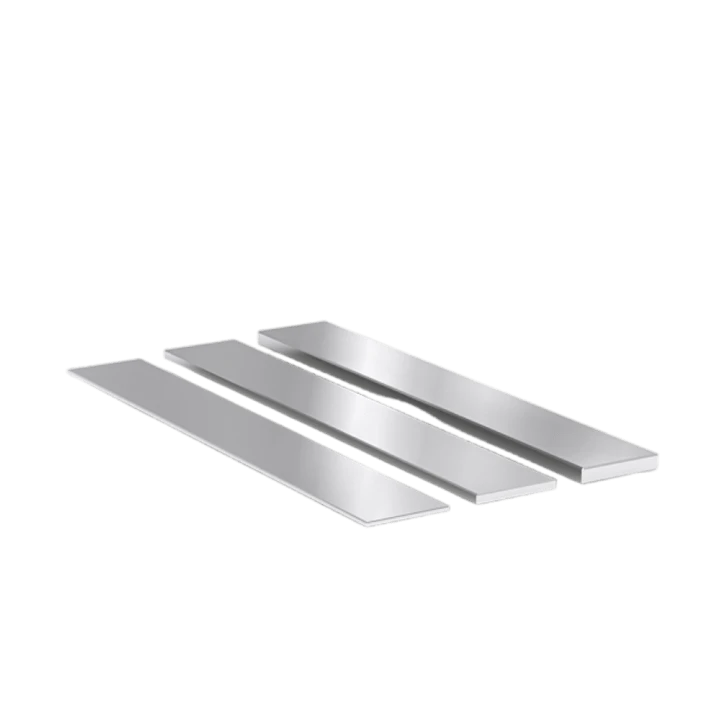
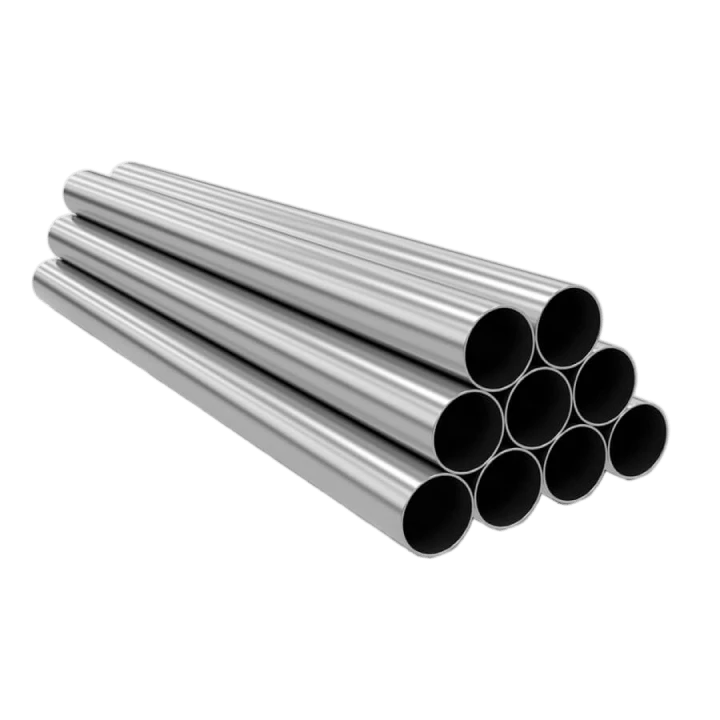
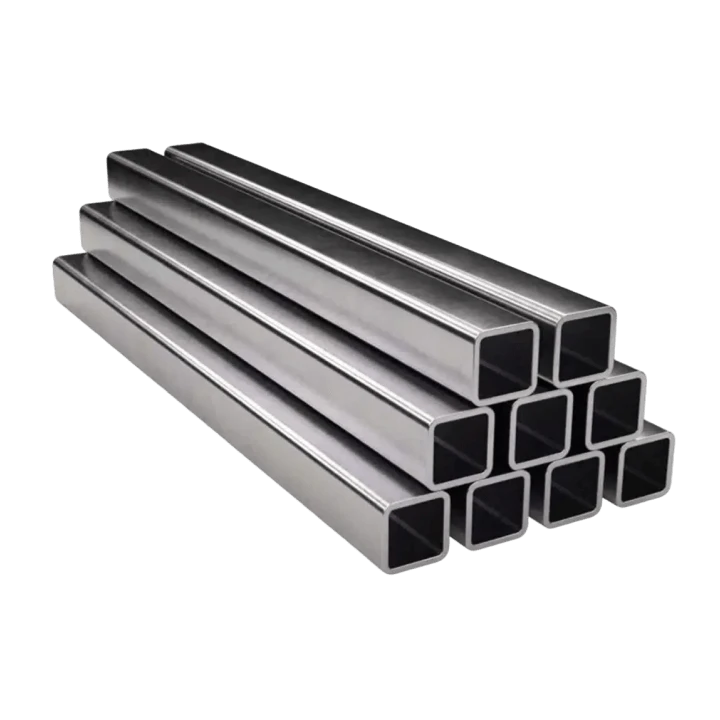
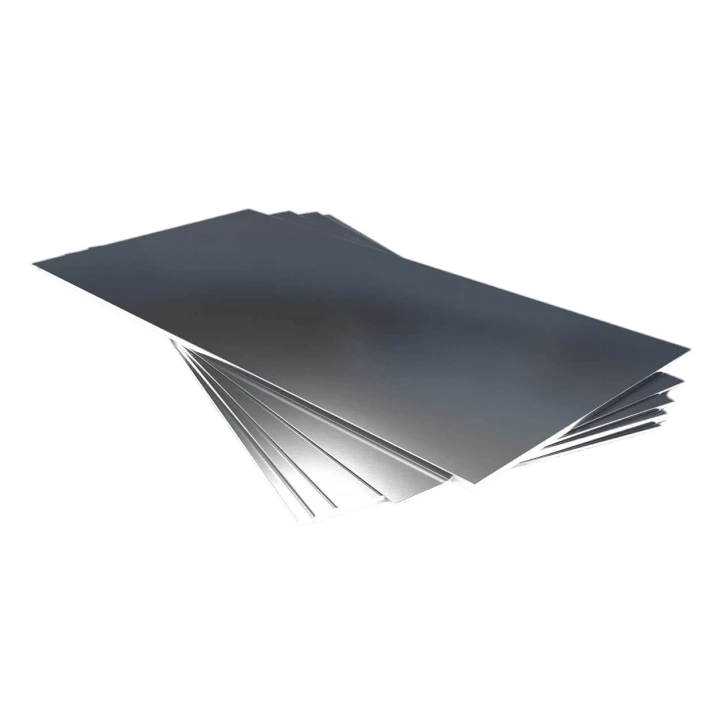
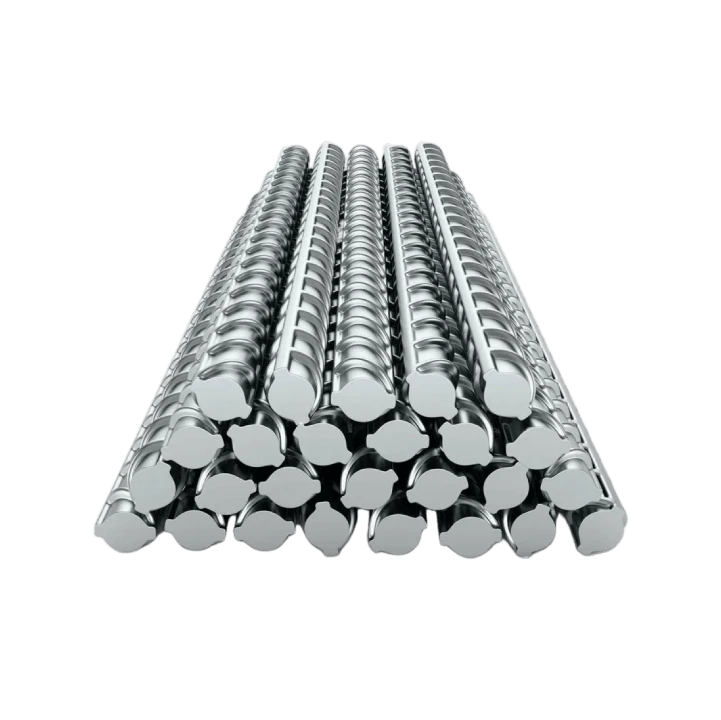
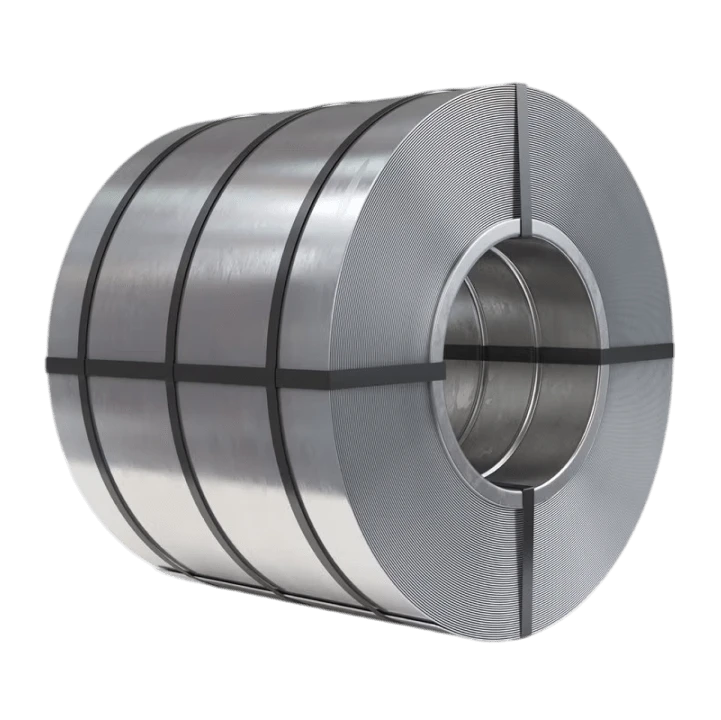
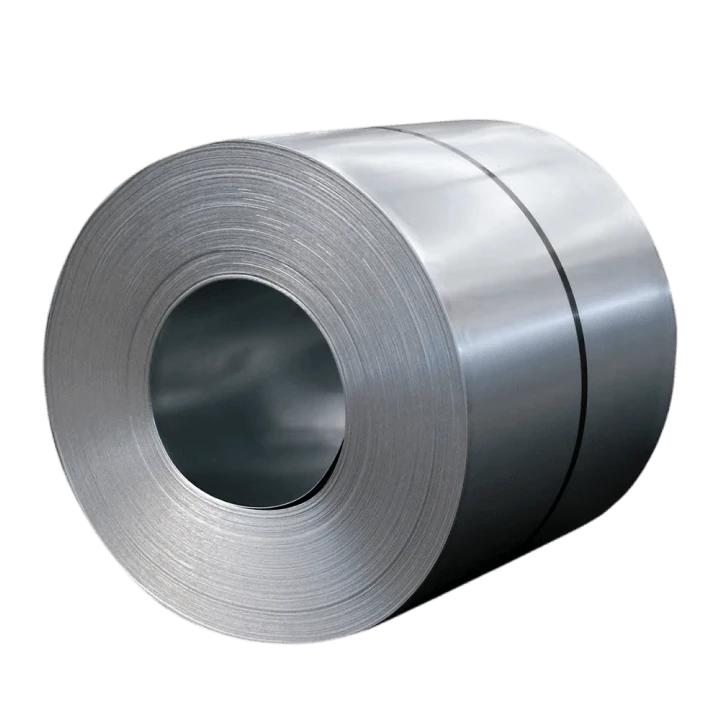
- you need to quickly transfer metal, rolled products, long items or packages onto trucks;
- you want to collect the cargo gradually rather than in one trip, with storage on the yard;
- it is important to unload on the day of arrival and return empty railcars without unnecessary downtime.
This service is usually used by procurement and logistics specialists of construction companies, manufacturers, metal depots, and installation and repair contractors.
What railway siding services include
Railway siding services in Temirtau at the facilities of Hillary Assets in Kazakhstan LLP include: placement/removal of railcars (with empties returned to the railway), transfer of cargo onto trucks or unloading onto the yard, as well as open-air storage for up to 10 days.
It is important to understand the limitations in advance — they are listed simply below.
Railcar and cargo limitations
Before shipping, check whether your cargo meets the yard's conditions.
Flatcars and gondola cars: only these types are accepted; containers and covered wagons are not.
Cargo type limitations:
- cargo must be in “pieces” and ready for crane handling: in bundles, ties, bales, packages, etc.;
- bulk and liquid cargo is not accepted;
- the weight of one piece must be within the crane's lifting capacity.
If the cargo is non-standard (in dimensions, fastening or packaging), it is better to agree in advance, before the railcar is shipped.
How railcar reception works: step by step
Below is the working sequence logistics specialists use so that a railcar does not get “stuck” on approach.
Step 1. Agree on the time slot and scope of work
Agree in advance on:
- the placement date/time;
- the number of railcars (up to 6 fit on the site at a time).
- the unloading option: straight into trucks or onto the yard;
- who provides the trucks and when they will be on site.
Step 2. Prepare the cargo data
For unloading to go without interruptions, prepare and send:
- the cargo name and packaging (bundles/ties/packages);
- the approximate weight of one piece (this is important for crane operation);
- preferences for the unloading order (if the cargo is for different sites).
Step 3. Arrange placement and removal of railcars
Placement and removal of railcars is not a “formality” but time management: the railcar is placed and unloaded, and the empty car is removed and returned to the railway. At the Hillary Assets in Kazakhstan LLP site, this is included in the service.
Step 4. Accept the cargo during unloading
In practice, acceptance looks like this:
- you check the marking/packaging against the documents;
- inspect the cargo for visible damage;
- record any disputed points with photos and immediately notify the person in charge (this saves time when sorting things out).
Unloading: into trucks or onto the yard
What comes next depends on the logistics on your side.
Option A. Direct transfer to trucks
Transfer to trucks is suitable if the vehicles are already waiting to be loaded and you want to leave “the same day”. This option reduces the risk of having to repack the cargo and helps free up the railcar faster.
Option B. Unloading onto the yard and collection in batches
Unloading onto the yard is convenient when:
- your fleet is limited;
- the site is not yet ready to receive the material;
- you want to distribute the cargo to different addresses.
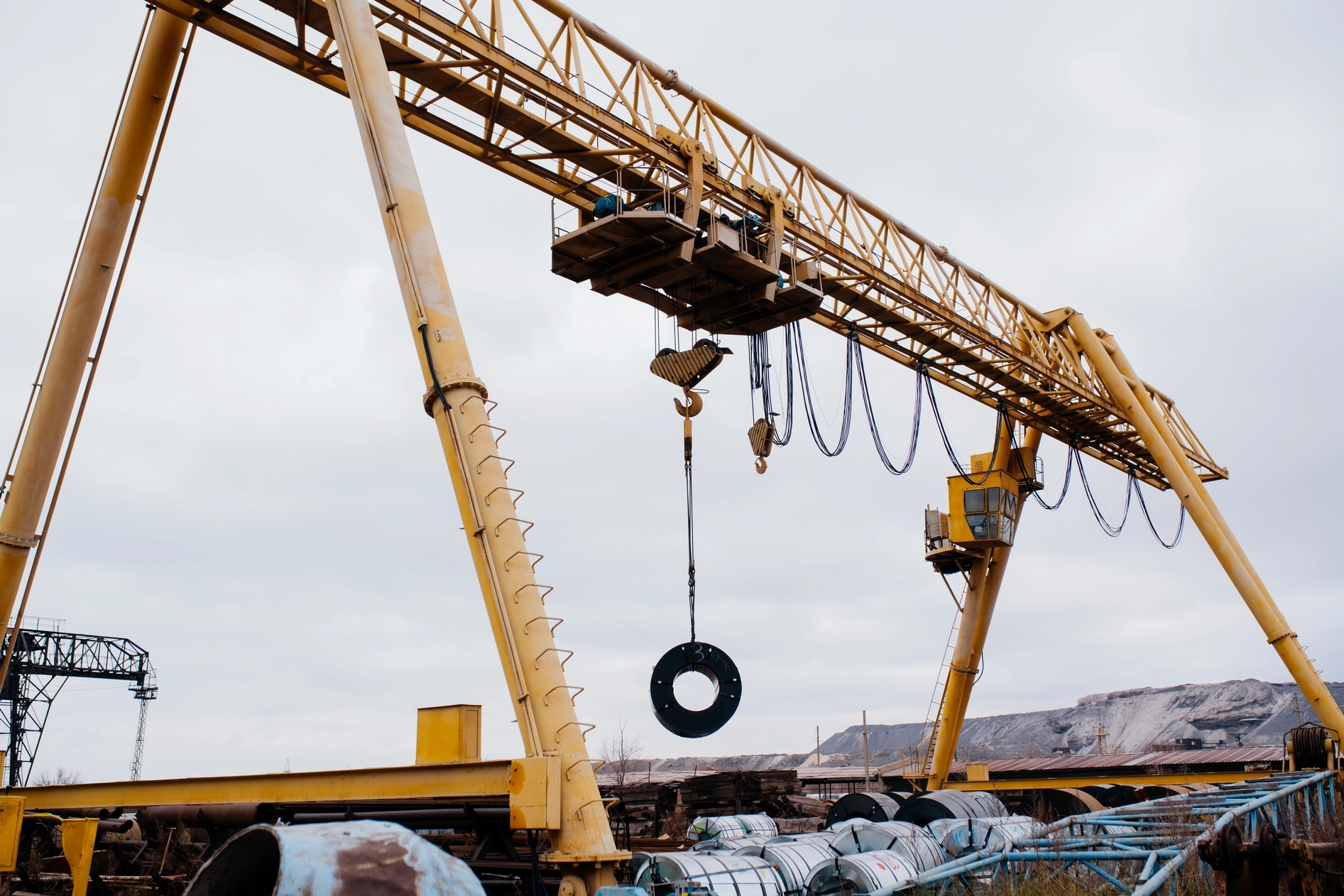
Unloading is done with a gantry crane with a lifting capacity of up to 20 tonnes — this is important to consider when planning the weight of one piece.
Cargo storage for up to 10 days: what to consider
Temporary cargo storage for up to 10 days is provided on an open yard. hil
To keep storage from becoming a source of losses, think through a few simple things in advance:
- Lot marking. If the railcar contains several items, mark the bundles/ties before shipping so you don't have to “search for the right one” on the yard.
- Weather protection. An open yard means exposure to precipitation and dust. For sensitive items, use covering material or factory packaging suitable for outdoor storage.
- Collection plan. Draw up a schedule right away: which items you are collecting on which day. This helps you stay within the storage period and avoid overloading the yard.
If you realize that 10 days is not enough, it is better to discuss options with the manager before the railcar arrives.
Documents: what is usually needed at acceptance
The set of documents depends on the cargo and your supply scheme, but logistics specialists most often prepare:
- the railway waybill/accompanying documents from the shipper;
- a power of attorney to receive the cargo (if a representative collects it);
- a specification/packing list (if available);
- quality/conformity documents — if required under your contract.
If you are receiving metal for construction or production, check with your quality department in advance exactly what must accompany the lot.
How to order the service in Temirtau
To agree on reception and the placement schedule, it is best to get in touch in advance and describe the task: how many railcars, what cargo, and whether you need collection on the day of arrival or storage.
Hillary Assets in Kazakhstan LLP contacts (Temirtau):
- head office address: Temirtau, 1/2 Respubliki Ave.
- metal depot: Temirtau, 4/1 Michurina St.
- phones: +7 (7213) 98 39 79, +7 (7213) 98 40 62, mobile +7 (708) 775-69-58
- email: market@hil.kz
FAQ: short answers
How many railcars can be received at once?
Up to 6 railcars — worth keeping in mind when planning the schedule and placement.
What is used for unloading?
A gantry crane with a lifting capacity of up to 20 tonnes.
Which railcars are suitable?
Flatcars and gondola cars; containers and covered wagons are not accepted.
Which cargo is not suitable?
Bulk and liquid cargo. Everything else is accepted in packages/ties/bundles, taking into account the per-piece weight limit of the crane.
How long can cargo be left?
Storage on the open yard is available for up to 10 days.
News
All news
30.09.2026
Hot-rolled and cold-rolled strip: what is the difference and which to choose
03.09.2026
Profile Pipe Trusses for Canopies: A Complete Guide to Selection, Calculation and Installation
06.02.2026
Sheet Cutting from Coil: Tolerances, Lead Times, Error-Free Specs
05.02.2026