

Strip for pipes: how to choose width, thickness and steel
Published February 2026
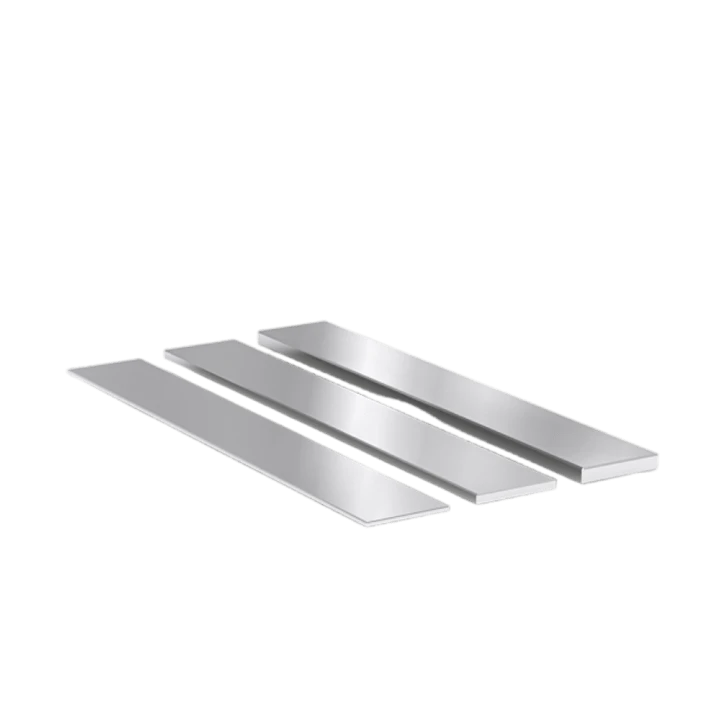
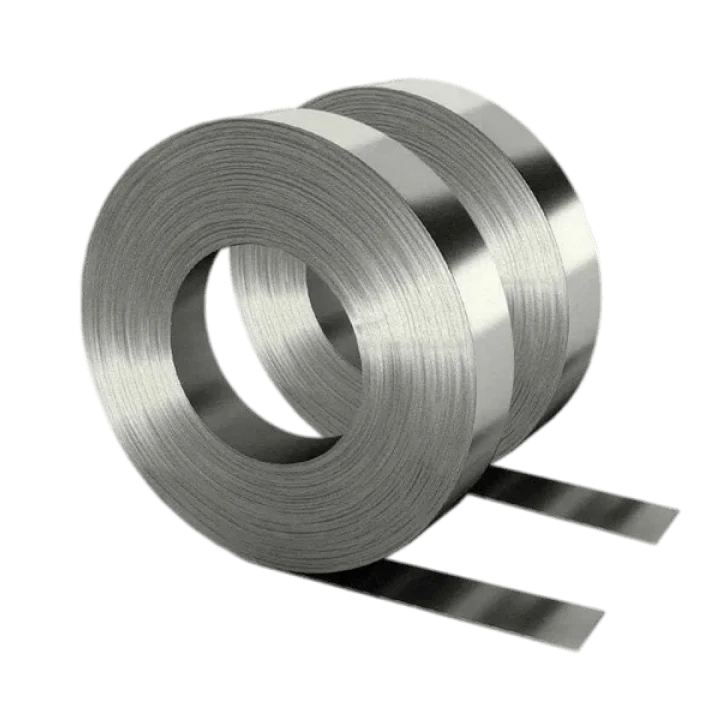
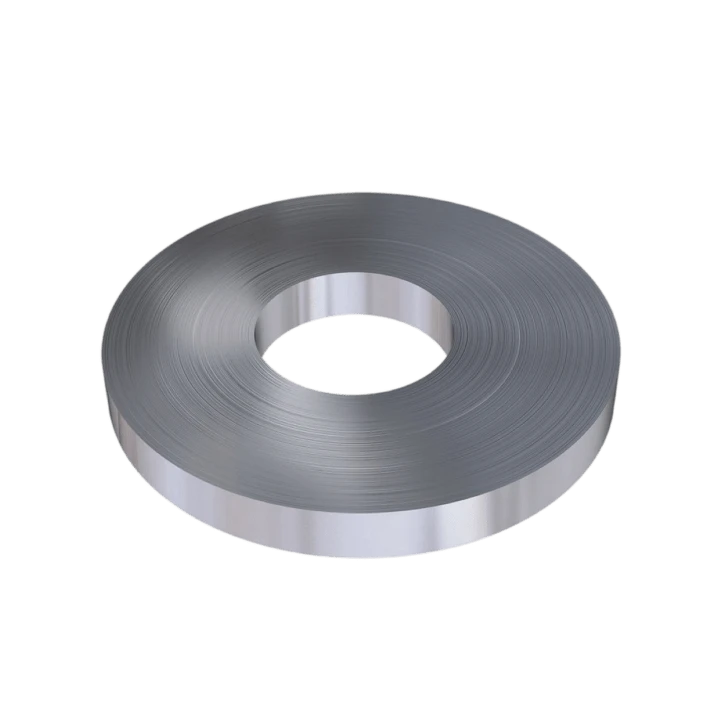
Strip is the “blank” from which pipe is formed and welded on an electric-welded tube mill. An error in a single parameter quickly turns into problems on the line: the size “wanders”, folds appear, the seam fails, consumption rises, and rejects have to be cut up for scrap.
Strip is the “blank” from which pipe is formed and welded on an electric-welded tube mill. An error in a single parameter quickly turns into problems on the line: the size “wanders”, folds appear, the seam fails, consumption rises, and rejects have to be cut up for scrap.
Below is a practical guide: how hot-rolled (HR) strip differs from cold-rolled (CR), which parameters to fix in the order, and where buyers and process engineers most often go wrong.
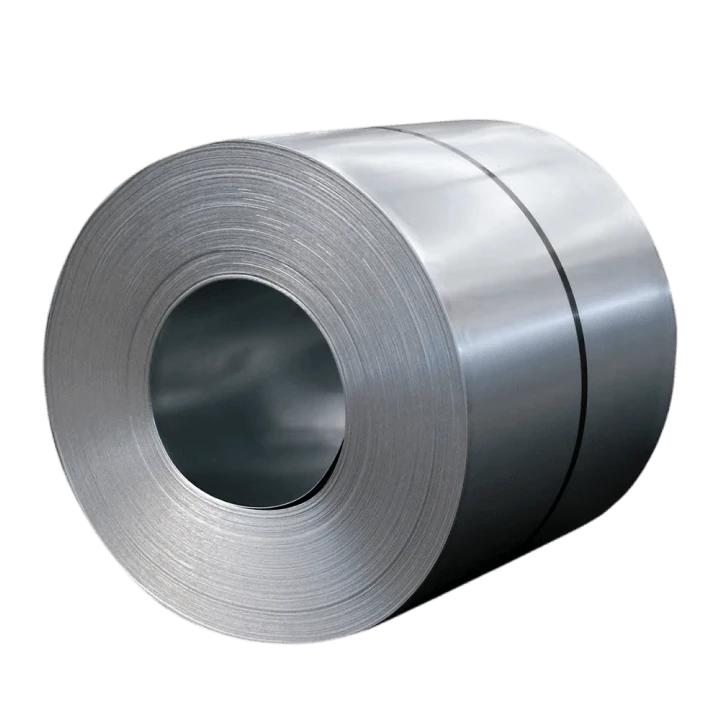
HR and CR strip: the difference that affects the mill
In a pipe, the difference between hot and cold rolling usually shows up in three places: the surface, thickness consistency and behavior during forming.
Hot-rolled strip: when it is used
- The surface is rougher; mill scale is possible.
- Thickness tolerances are usually wider than for cold-rolled products.
- Often chosen for structures where appearance is not critical and volume and price matter.
Cold-rolled strip: when it is more convenient
- The surface is flatter and “cleaner” for subsequent painting/galvanizing.
- Thickness and geometry are usually more consistent, which reduces “swings” on the mill.
- But after cold working the metal may be “stiffer” during forming, so radii and roll setup matter more.
Rule of thumb: if you make thin-walled pipe for visible products (frames, furniture, cladding), CR is usually chosen. If the pipe goes into a structure and appearance is secondary, HR is usually used. This is not a law but a starting point — after that, project requirements and mill capabilities decide.
How to choose thickness: from the task to a stable seam
The key point: strip thickness is the basis for pipe wall thickness. If strip thickness “floats”, you get:
- unstable reduction in the stands,
- a varying gap in the welding zone,
- jumps in outside dimensions.
What to do in practice:
- Fix the thickness for your pipe range (not “about 1.8” but a specific value).
- Ask for the thickness tolerance in figures (so there is something to check during incoming inspection).
- Confirm that your mill can handle this thickness at the required speed.
If you order pipe from a manufacturer, it is simpler: you specify the pipe requirements, and the raw material parameters are matched to the process. For example, pipes from Hillary Assets in Kazakhstan LLP are produced to GOST 13663-86 (profile) and GOST 10705-80 (round electric-welded), and the raw material requirements are tied to these standards and to quality control.
How to choose width: calculation + allowances to avoid rejects
Strip width is the flat development of the future pipe. An error here leads to one of two scenarios:
- not enough width → the pipe is “pulled”, the seam drifts, and a geometric “dip” appears;
- too much width → excess metal goes into a fold or “wrinkle”, or is squeezed out at the seam.
Basic calculation logic
- Take the geometry of the finished pipe (outside diameter for round pipe or perimeter for a profile).
- Take into account that the metal bends along the mid-line of its thickness.
- Add a process allowance for the weld seam and mill setup (its value depends on the line and is usually set by your process engineer/setup technician).
To avoid guessing “by eye”, keep a single document — a “Width table by size” — and change it only after trials on the line.
Steel grade: what to specify besides the name
Orders often just say “St3” or “08”. For pipes, that is not enough.
You need to specify the steel grade in full (including the deoxidation type and degree of killing), because this affects formability and welding.
Examples of grades often used in pipes and found in the certified products of Hillary Assets in Kazakhstan LLP: St3sp/St3ps, 08ps/08kp, 08, St10.
- For structural profile pipes for frames and general construction, the usual choice is St3ps steel (or St3sp, depending on project requirements).
- For thin-sheet products where ductility is important, you will often see 08ps steel (or 08kp, if specific properties and processing need to be discussed).
Important: the final choice is always a combination of “product requirements + mill settings + welding + inspection”, not just “whatever is cheaper”.
What to include in your order: a checklist that saves a shift
Here is what a strip order should contain so that the supplier delivers what you expect:
- Type: hot-rolled strip or cold-rolled strip.
- Dimensions: strip width and strip thickness (with tolerances).
- Steel grade (full designation).
- Edge condition after cutting: requirements for burrs, waviness and cut quality.
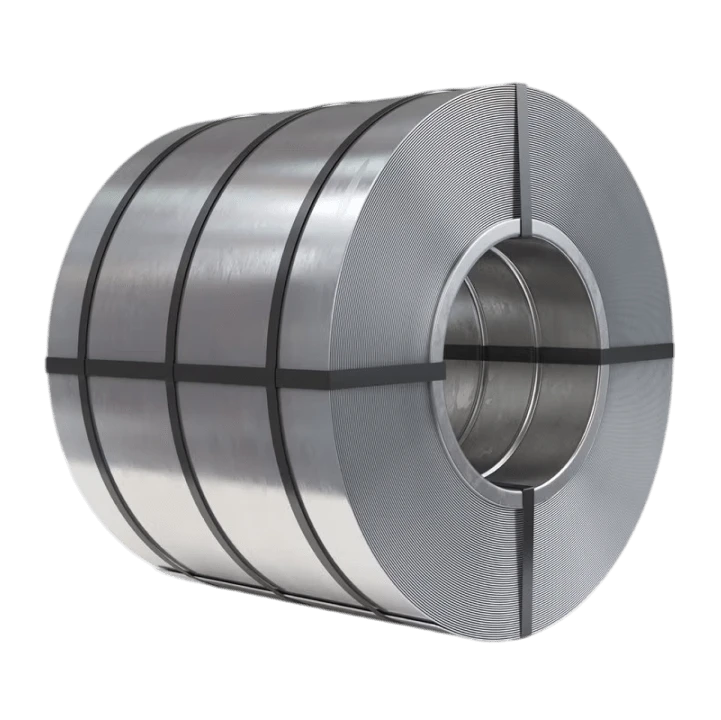
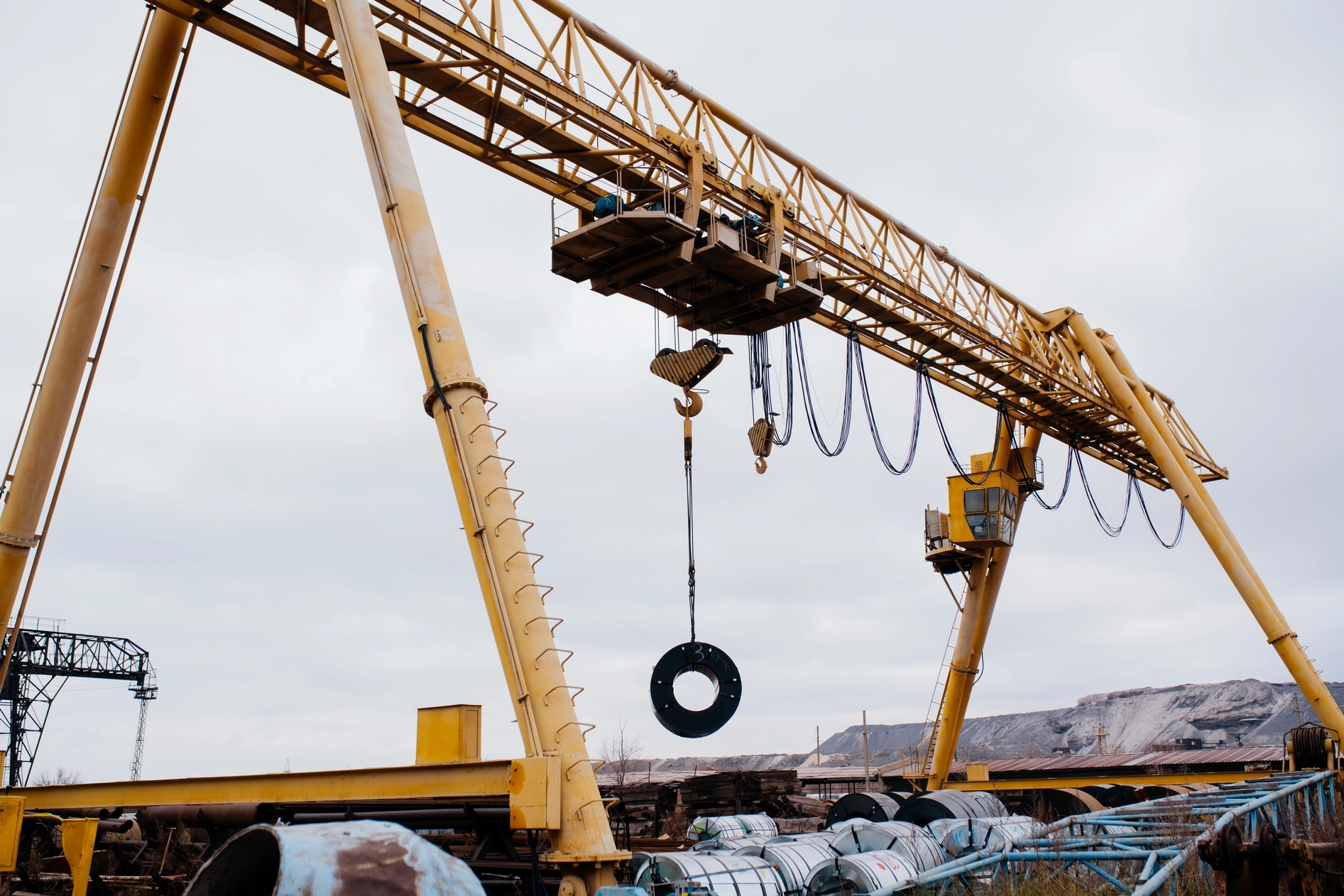
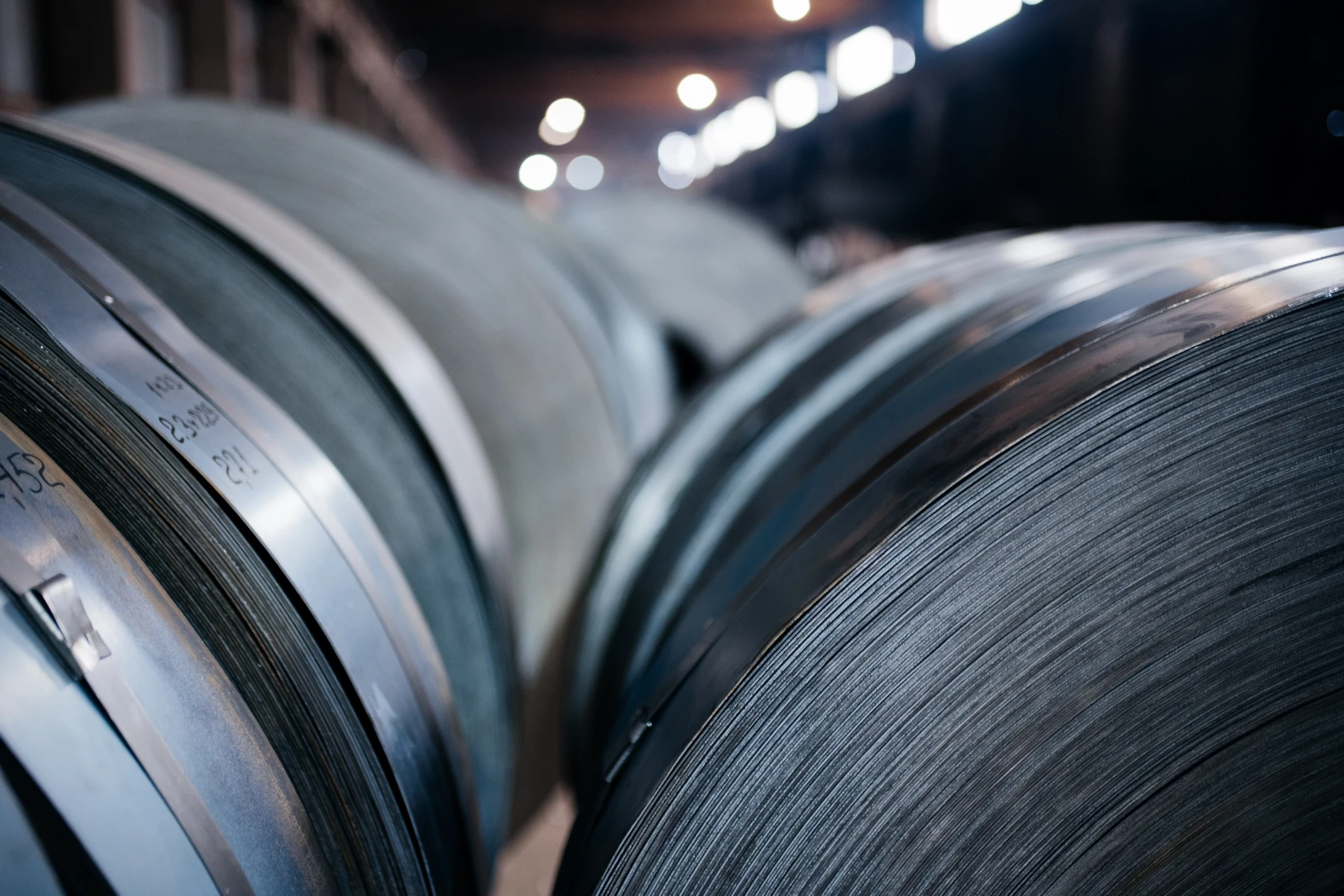
- Delivery format: strip in coils (state the permissible coil weight and the requirements of your uncoiler).
- Surface requirements: whether scale/oil/rust is acceptable, packaging, preservation.
- Documents: quality passport/certificate, chemical composition and mechanical properties per lot; if necessary, proof of origin (for example, ST-KZ for finished pipe if you buy pipe for projects with localization requirements).
Sample wording (as a template)
“We need strip for pipes: CR, 08ps steel, t = 1.5 mm (tolerance …), b = 125 mm (tolerance …), delivery — strip in coils, edge requirements …, lot documents …”.
Typical mistakes — and how to catch them before payment
Mistake 1. “Give us strip for 50×50 pipe, we'll figure out the rest.”
Solution: specify dimensions and tolerances, plus the steel grade and edge requirements.
Mistake 2. The width was not agreed with the mill's process engineer.
Solution: width is a line parameter, not just a matter of geometry. First the width table and a trial, then serial purchasing.
Mistake 3. “St3” was specified, and the metal arrived in the wrong condition.
Solution: write the full designation (for example, St3ps steel) and the document requirements.
Mistake 4. A “smooth” surface was expected from HR strip.
Solution: if appearance is critical, CR is usually chosen, or surface requirements are specified separately.
Mistake 5. The edge/burr was not specified, resulting in roll problems and scratches.
Solution: add 1–2 lines about the edge to your standard order form.
Where to order strip and pipes in Kazakhstan
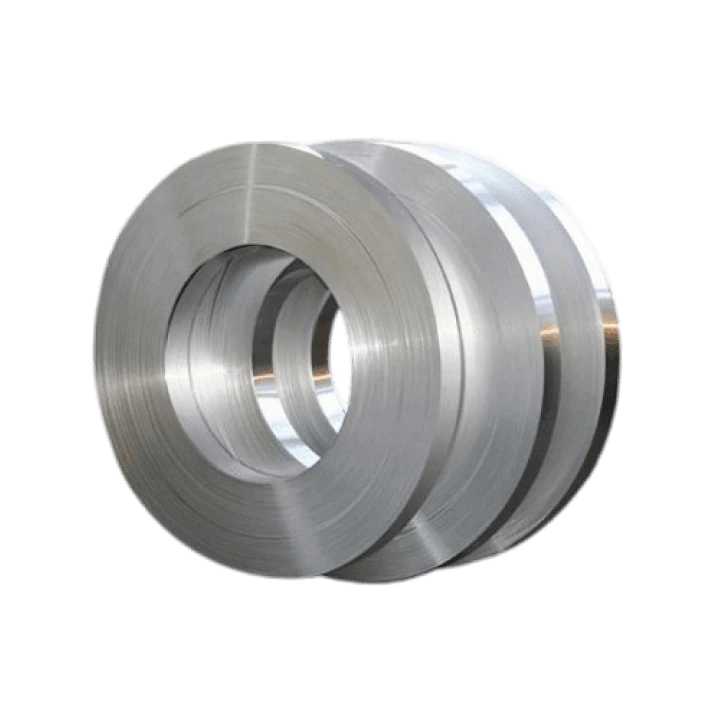
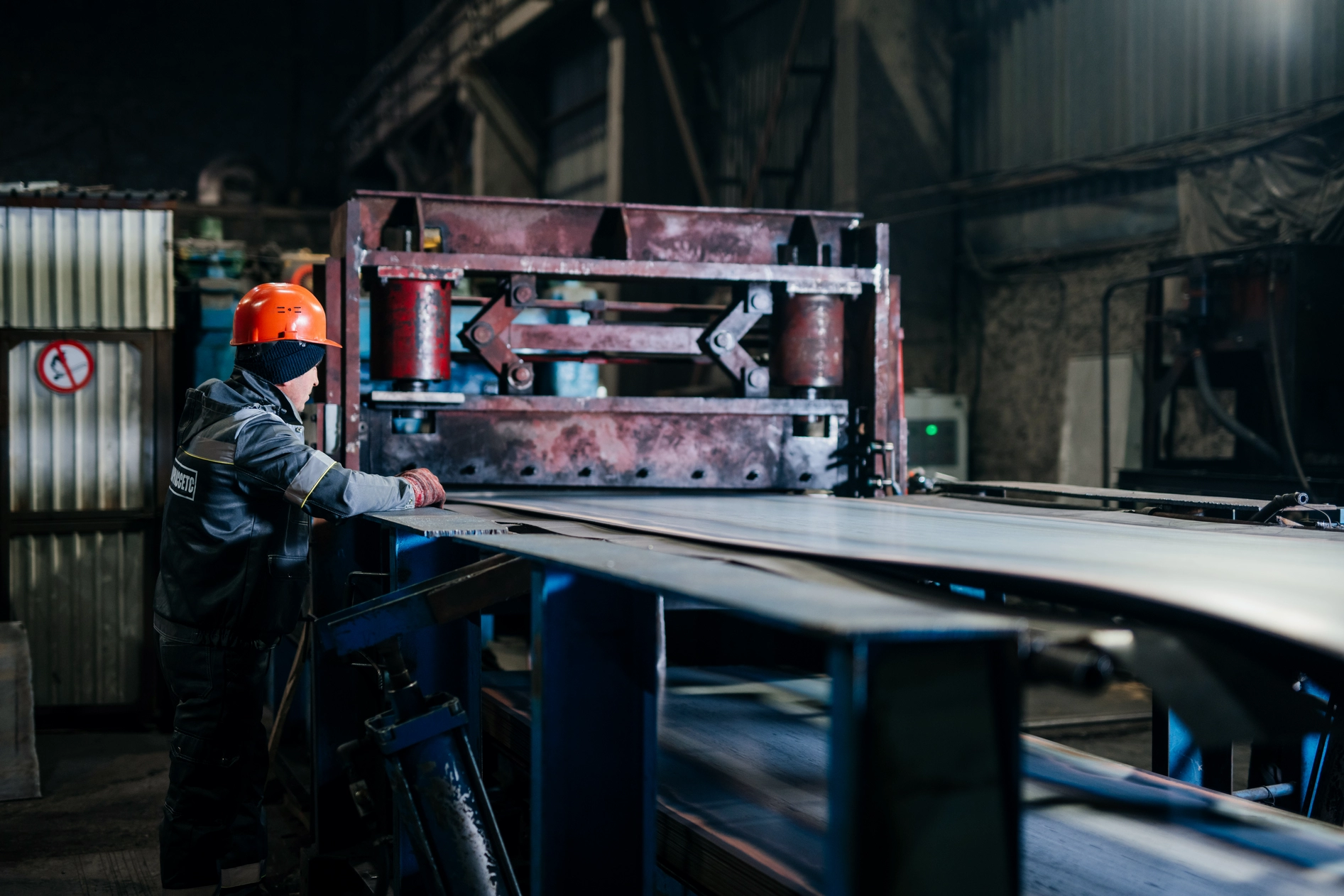
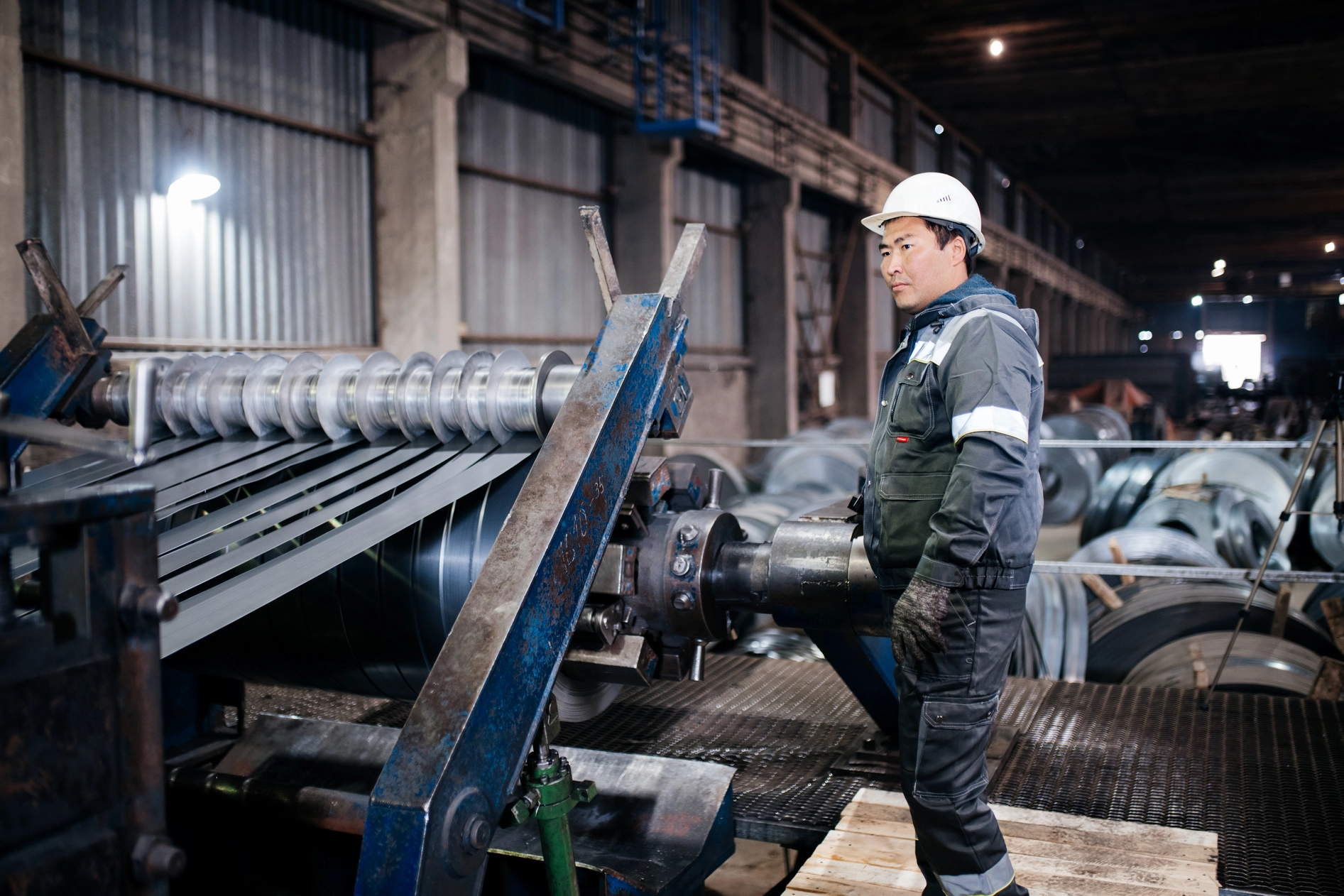
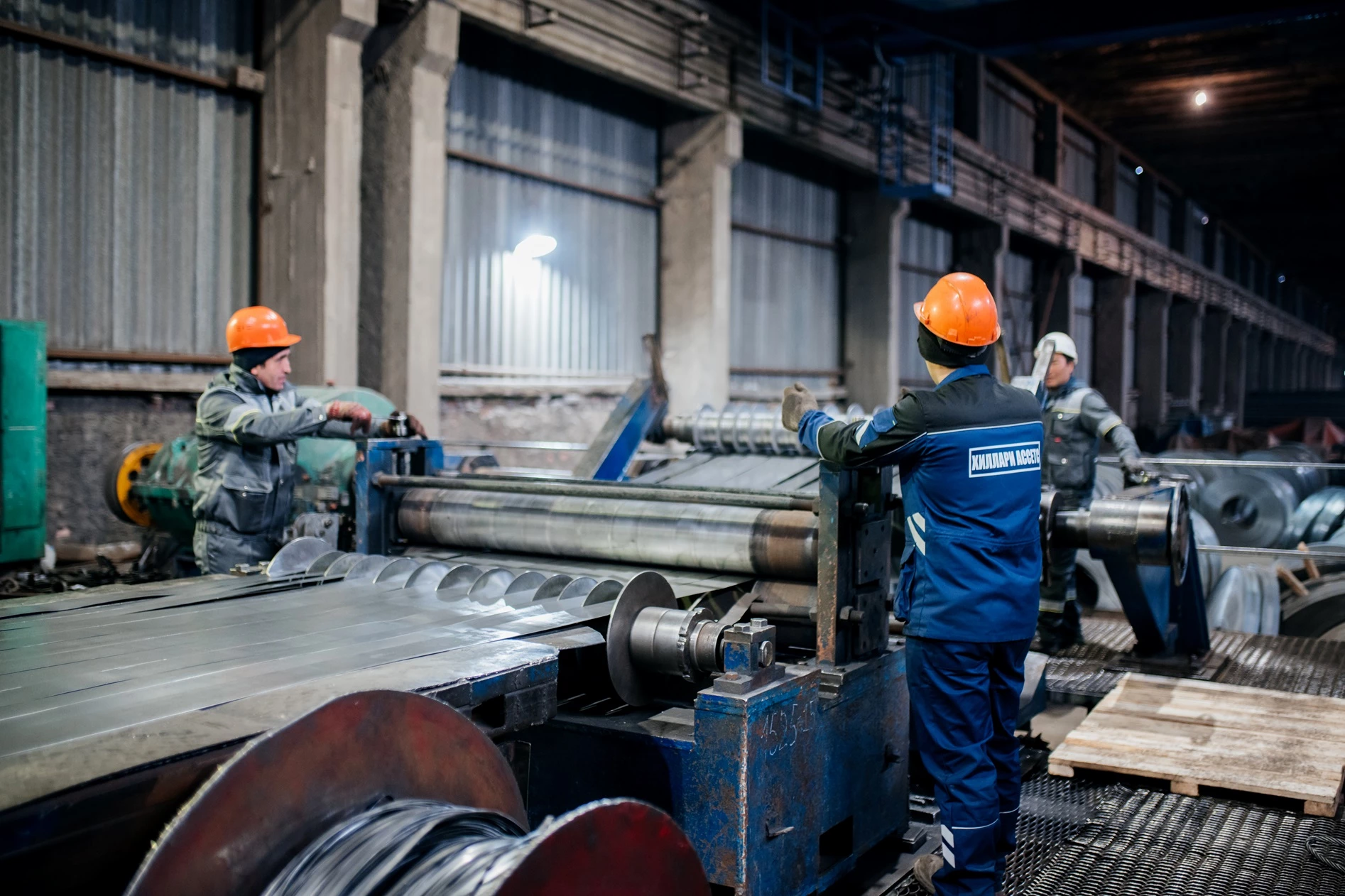
If you need strip cut to size, Hillary Assets in Kazakhstan LLP has strip production (coil slitting on a slitting line) and profile pipe production; its sites operate in Temirtau and Almaty.
If you need finished pipe with documents for the Republic of Kazakhstan right away, the company holds valid certificates of conformity for profile pipes (GOST 13663-86) and electric-welded round pipes (GOST 10705-80), and complies with the requirements of the Kazakh technical regulations on the marking and safety of construction materials.
News
All news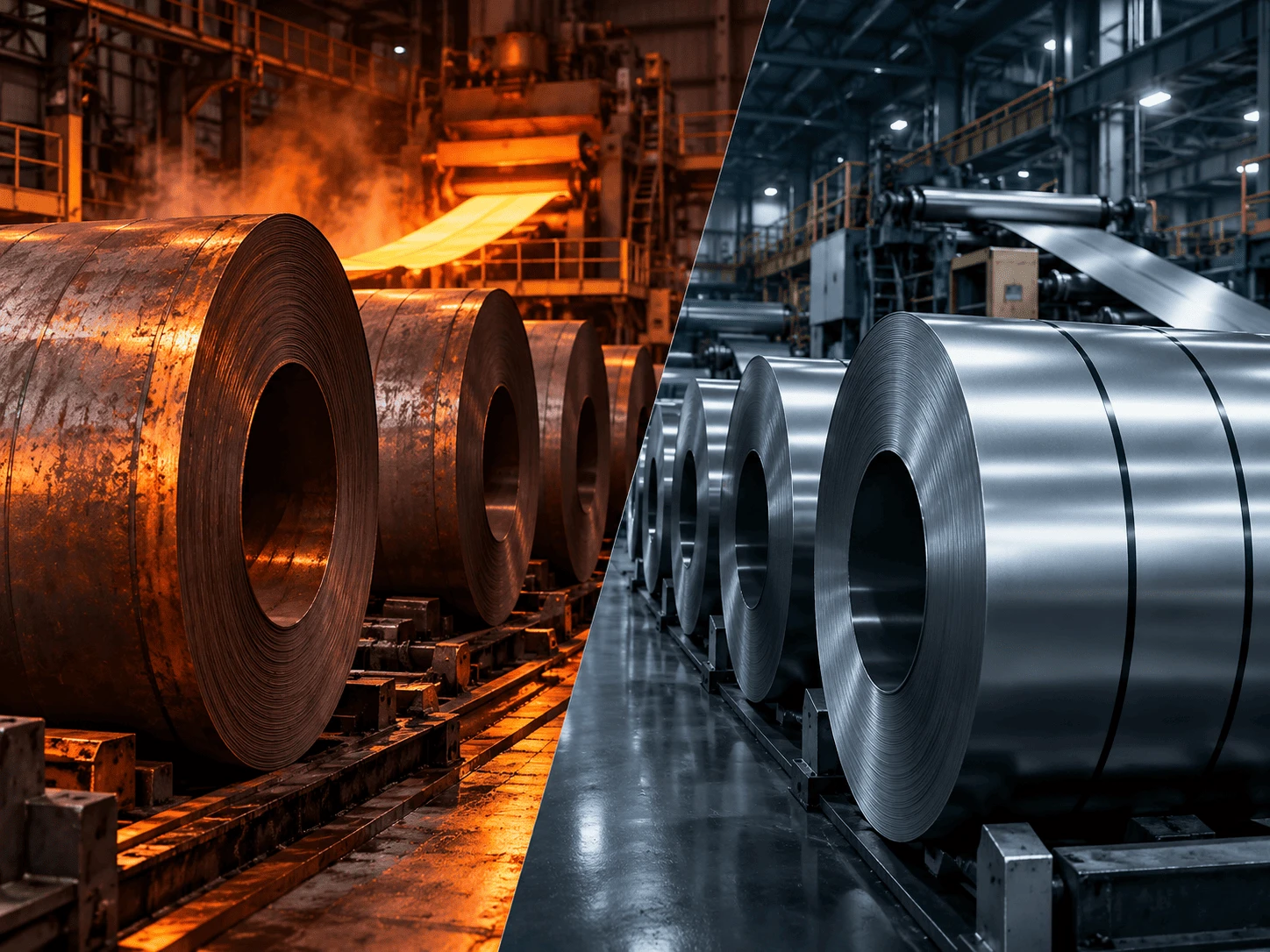
30.09.2026
Hot-rolled and cold-rolled strip: what is the difference and which to choose
03.09.2026
Profile Pipe Trusses for Canopies: A Complete Guide to Selection, Calculation and Installation
06.02.2026
Railway siding services in Temirtau: receiving, unloading, storage
06.02.2026