





Sheet Cutting from Coil: Tolerances, Lead Times, Error-Free Specs

Published February 2026
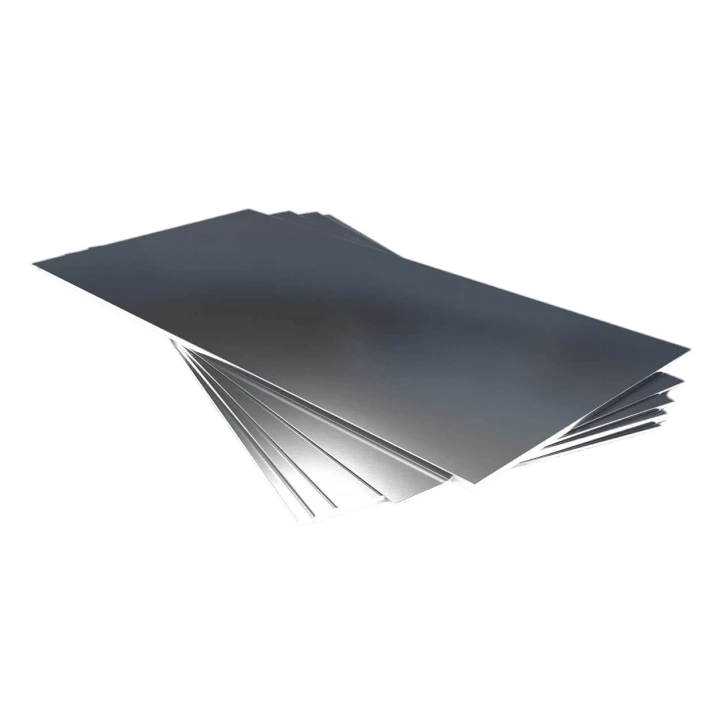
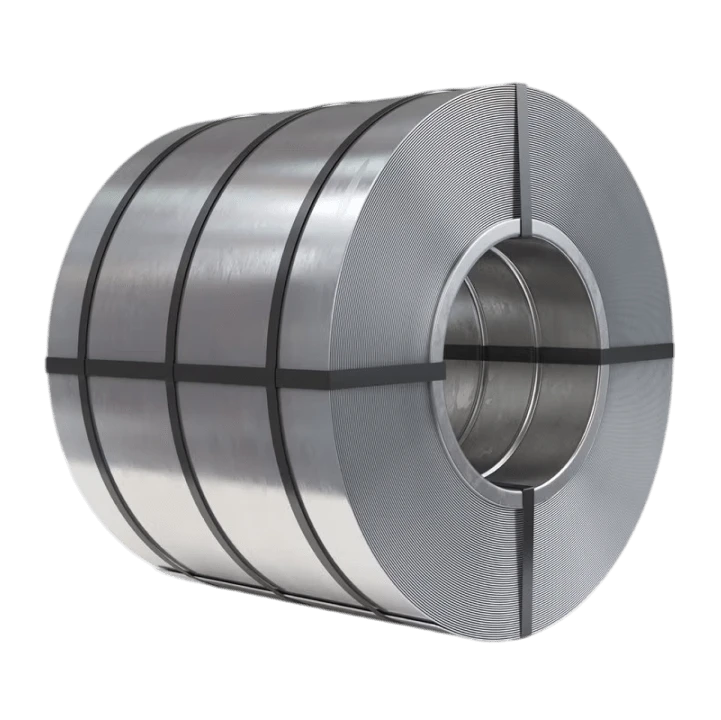
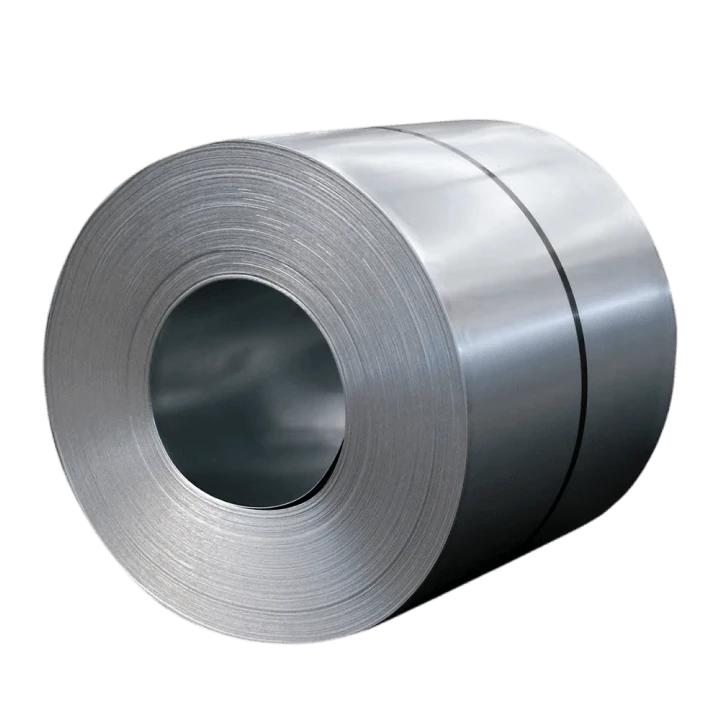
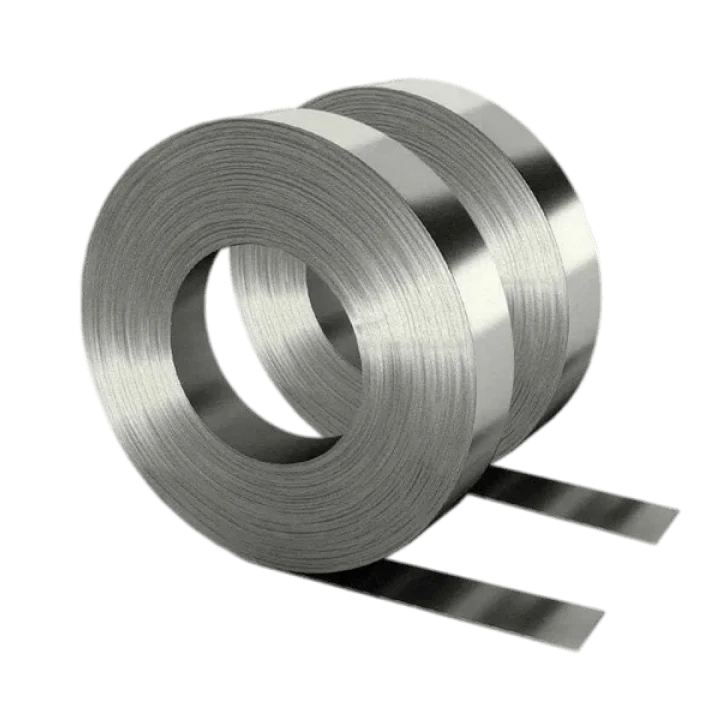
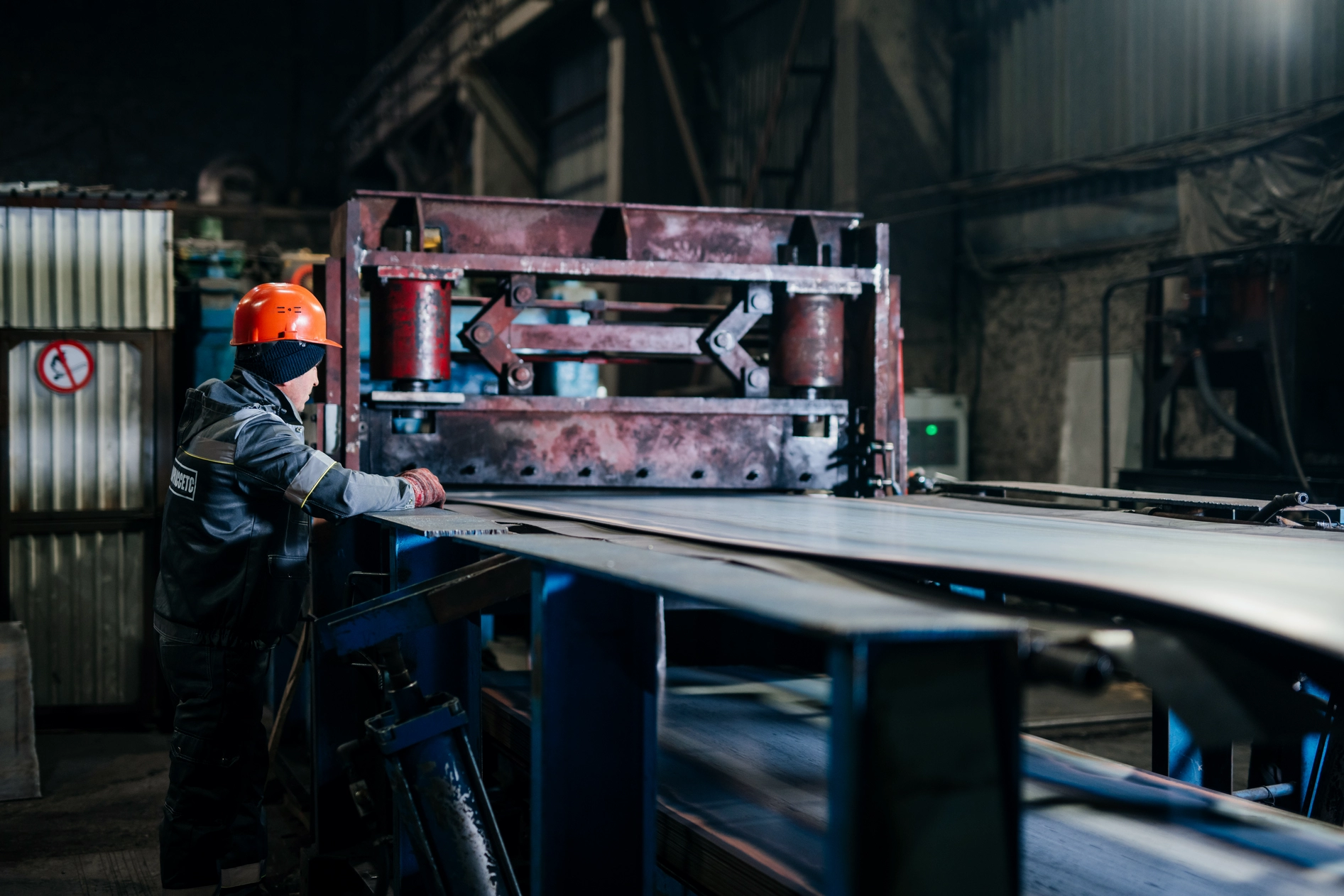
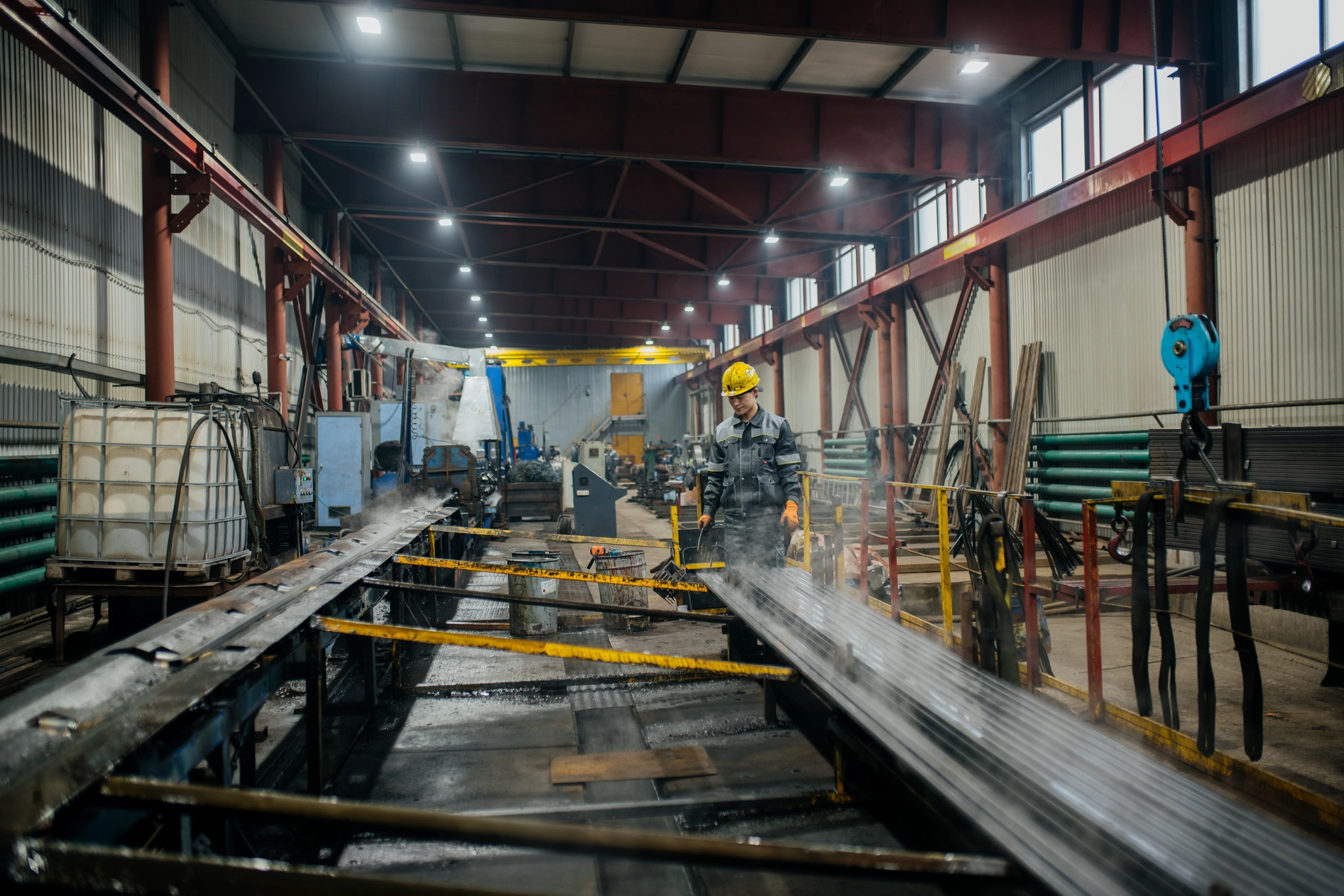
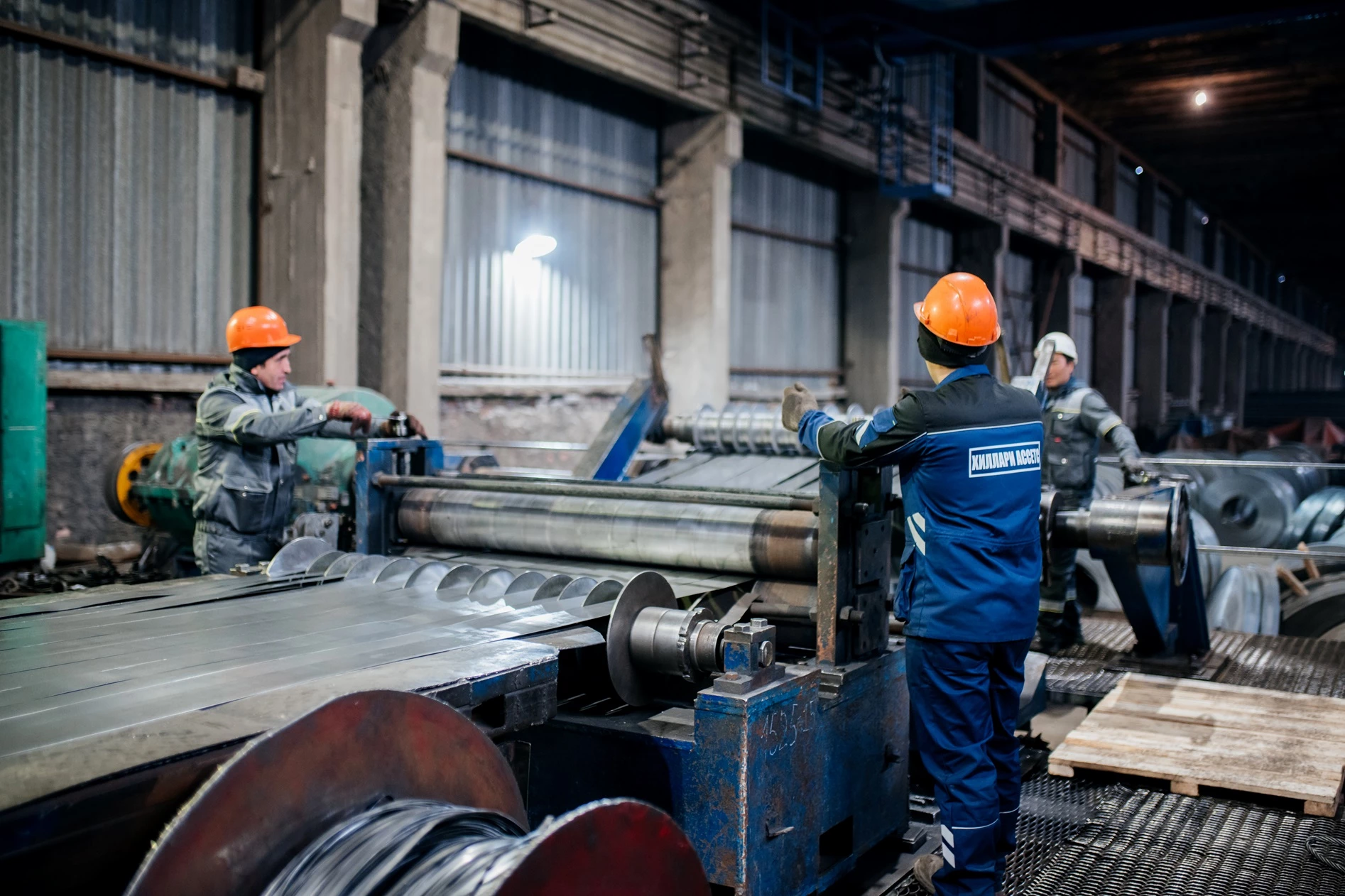
Sheet cutting is a fast way to get rectangular blanks without any heat effect: the coil is unwound, leveled and cut to length with guillotine shears (a cut-to-length line). Hillary Assets in Kazakhstan LLP offers this service as cutting of hot-rolled coils into sheets of non-standard length.
Sheet cutting is a fast way to get rectangular blanks without any heat effect: the coil is unwound, leveled and cut to length with guillotine shears (a cut-to-length line). Hillary Assets in Kazakhstan LLP offers this service as cutting of hot-rolled coils into sheets of non-standard length.
Below is a practical guide: when cutting saves money, how to estimate the number of sheets you will get from a coil, and how to accept the metal based on actual measurements so you don’t end up arguing with the supplier.
When cutting pays off – and when it doesn’t
It pays off if:
- You need a series of rectangular sheets in one or several lengths: 1250, 1800, 2350 mm, etc., up to and including 12 meters.
- Speed on standard geometry matters: “cutting a stack of sheets” is faster than programming a laser or plasma cutter.
- You lose money on scrap when buying standard sheets (for example, you keep trimming off 200–300 mm).
- You need sheet cut from coil to size, but without shaped cutting, holes or contours.
It usually doesn’t pay off if:
- You need only a few sheets (1–5 pcs) as finished parts with shapes or holes — cutting gives only a straight cut.
- You need a high “geometric finish” on a burr-free edge (in that case, additional edge finishing is discussed).
- Very tight length or angle tolerances are important — sometimes it is easier to buy cut-to-length sheet in the required accuracy class and keep operations to a minimum.
Bottom line: guillotine cutting of metal is about speed and repeatable straight dimensions; laser and plasma are about shape.
How to calculate the cutting plan: quickly and without “surprises”
There are two levels here: a “rough estimate” (for commercial calculations) and a “working” calculation (for the specification and acceptance).
1) A quick estimate of the number of sheets from a coil
If you know the coil weight, thickness and width, you can estimate the coil length:
Coil length (m) = Weight (kg) / (ρ × Thickness (m) × Width (m)),
where ρ of steel ≈ 7850 kg/m³ (for a rough estimate).
Example. Coil of 10,000 kg, t = 4 mm (0.004 m), b = 1500 mm (1.5 m):
ρ × t × b = 7850 × 0.004 × 1.5 = 47.1 kg/m
Length ≈ 10,000 / 47.1 ≈ 212 m
This is a very rough calculation: because of thickness and width tolerances, the result can vary noticeably, either up or down.
If we cut into 2000 mm (2 m) sheets, the theoretical yield is 212 / 2, so we end up with about 106 sheets.
Then allow for process losses: head and tail crop of the coil, trimming to size and possible edge defects.
This way, you can do a coil cutting plan calculation in 2–3 minutes and get a sense of the numbers.
2) A working calculation for the specification
For cutting sheet metal “to length” (the width is fixed by the coil width), the following is usually enough:
- Number of sheets = floor((usable coil length) / (sheet length + process allowance))
- The process allowance depends on the line and on what has been agreed. If it is critical for you, fix it in the specification (see below).
If you need a different width, that is slitting/strip (slitting the coil) followed by cut-to-length.
Tolerances: what you can realistically get and how to specify them correctly
The key point: sheet cutting tolerances are made up of two things:
- the size range and tolerances of the rolled product itself (thickness, flatness, edge)
- the length and squareness cutting accuracy of the line
GOST guidelines (often used in specifications)
For hot-rolled sheet, GOST 19903-2015 applies: it directly covers rolled products in sheets and coils and gives permissible length deviations for products cut into sheets (for example, +10 mm for lengths up to 1500 mm, +15 mm for thicknesses up to 3.9 mm and lengths over 1500 mm, etc.).
For the width of mill-edge products (including sheets cut from coils), GOST 19903-2015 gives a guideline of +20 mm for widths up to 1000 mm and +30 mm for widths over 1000 mm — this matters if you take mill-edge coil or sheet and the width is “tight”.
For cold-rolled sheet, GOST 19904-90 is often used: it includes requirements and permissible length deviations “at the customer’s request” (for example, +6 mm for lengths over 1500 and up to 2000 mm at increased accuracy, etc.).
Guidelines for the accuracy of the cutting itself
In practice, service companies state an achievable guillotine cutting accuracy of roughly 0.5–2 mm (depending on thickness, width, the condition of the blades and how the backgauge stops are set).
What matters: in the specification, write a specific tolerance and measurement rule rather than “make it accurate”.
What must be included in the specification (and why)
Below is the “minimum” that really reduces disputes. This is your technical specification for cutting.
1) Material and standard
- Product type: hot-rolled or cold-rolled
- Steel grade (if it matters)
- Standard/size range: for example, GOST 19903-2015 for hot-rolled or GOST 19904-90 for cold-rolled
- Width edge: trimmed / mill edge (important for fitting into the structure)
2) Dimensions and tolerances — stated explicitly
Specify:
- Width × length (mm)
- Number of sheets (pcs) or tonnage (in which case, add the permissible weight deviation)
- Length tolerance: for example, ±1 mm or 0/+2 mm (if you accept “slightly longer” to allow for trimming)
- Width tolerance (especially with a mill edge)
- Squareness: “difference between diagonals no more than … mm” or “out-of-square no more than … mm”
If you rely on GOST, say so: “length/width tolerances per GOST …, length cutting accuracy …”.
3) Cut quality
- The permissible burr height and the side on which it is allowed (sometimes important for painting or welding)
- No “crushed” edges, heavy waviness or scoring
4) Packing and marking
- Bundles by weight/height, spacers, strapping
- Bundle marking: size, thickness, batch, weight
5) Batch documents
- Quality certificate for the source coil/sheet
- Shipping documents for the delivery
(If the metal is going to a construction site, agree in advance on the list of documents your project needs.)
How to accept sheet based on actual measurements: an incoming inspection checklist
This part will save you a lot of stress. Sheet metal acceptance usually looks like this:
- Document check
- whether the grade/thickness/standard matches the order
- heat/batch number (if you keep traceability records)
- Quantity and packing
- counting the sheets in each bundle
- intact strapping, no severe kinks at the corners
- Dimensional check (random, but regular)
- length and width with a tape measure or ruler
- diagonals (a quick squareness test)
- thickness with a caliper or micrometer (preferably at several points)
- Edge and defects
- burr (height and “sharpness”)
- dents, cracks, laminations, heavy rust, bend marks
- Recording the result
- if there are discrepancies — photos + measurements + a note in the report or delivery note right at unloading
This way, you accept the metal against the parameters in the specification rather than “by eye”.
Lead times and how to meet them
Three things affect metal cutting lead times:
- whether the required coil is in stock (or has to be brought in)
- thickness and width (line limits)
- the queue and packing/delivery
To avoid falling behind schedule, include in your request: the ready date, shipping address, delivery method, packing requirements and acceptable substitutions for grade or accuracy (if any are possible).
How to estimate the cost and compare it with buying standard sheets
The cost of sheet cutting is usually calculated as: metal price + operation cost (per cut/sheet/ton) + packing/logistics.
Make the comparison like this:
- Calculate how much scrap you will get when buying standard sheets (in kg and in money).
- Compare that with the cutting price and the coil “losses” (head and tail crop, a possible mill edge).
- Account for labor on site: “buying standard sheet is cheaper” sometimes turns into “it costs more because of trimming and downtime”.
Where to order in Kazakhstan
If you need sheet of non-standard length from hot-rolled coil, Hillary Assets in Kazakhstan LLP offers a coil-to-sheet cutting service on its cut-to-length line.
News
All news
30.09.2026
Hot-rolled and cold-rolled strip: what is the difference and which to choose
03.09.2026
Profile Pipe Trusses for Canopies: A Complete Guide to Selection, Calculation and Installation

06.02.2026
Railway siding services in Temirtau: receiving, unloading, storage
05.02.2026