

Hot-rolled and cold-rolled strip: what is the difference and which to choose
Published September 2026
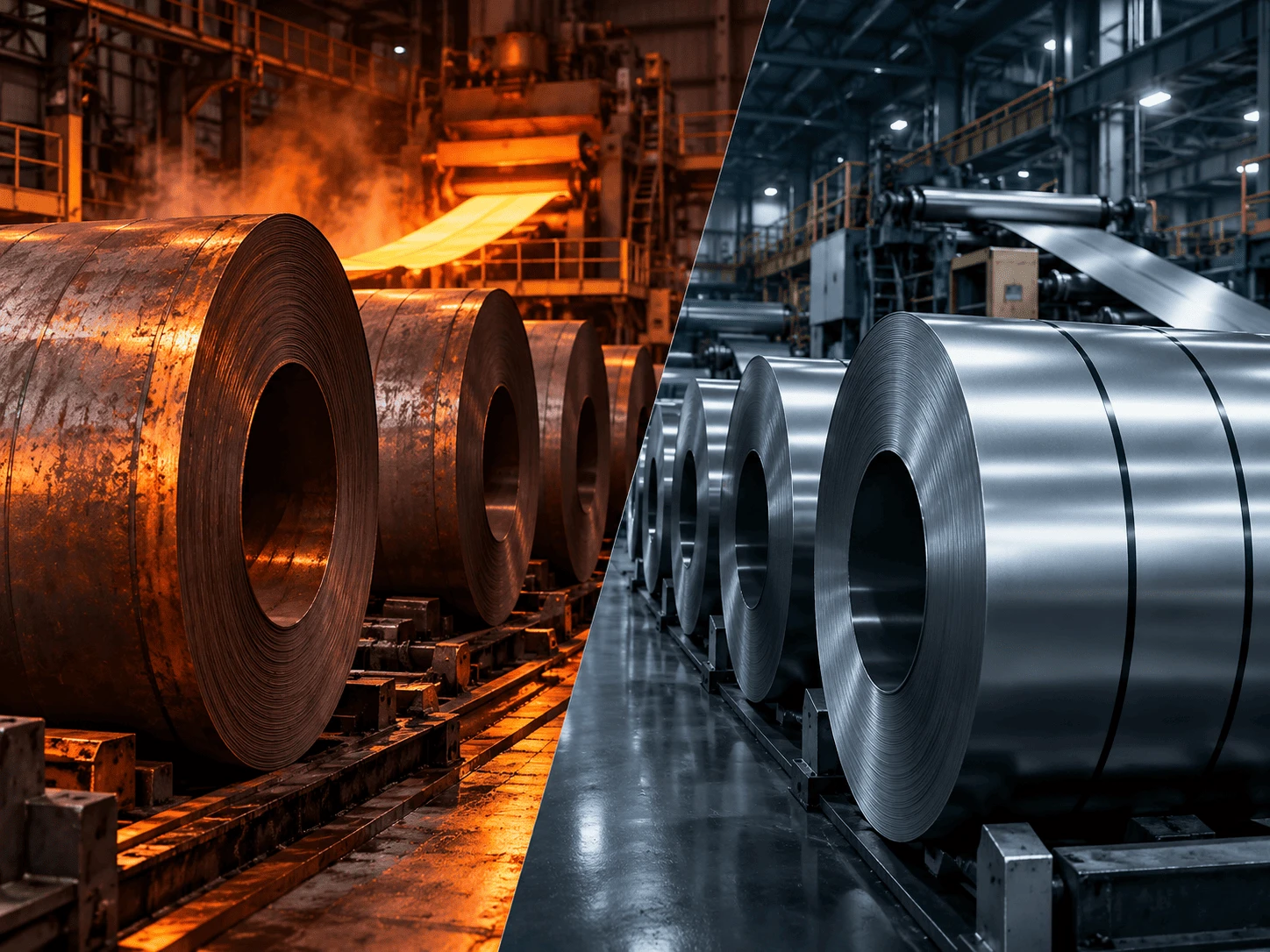
We look at the main differences between hot-rolled and cold-rolled strip, their applications and selection criteria.
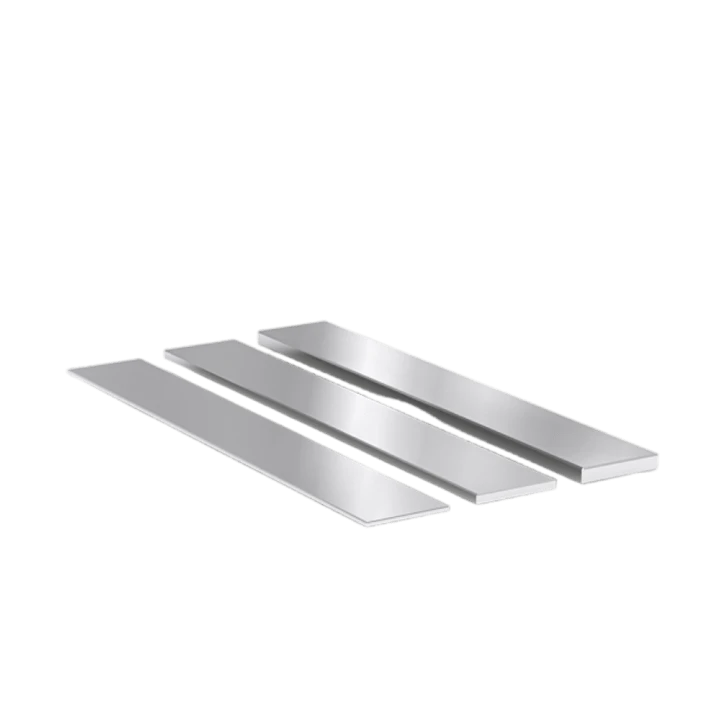
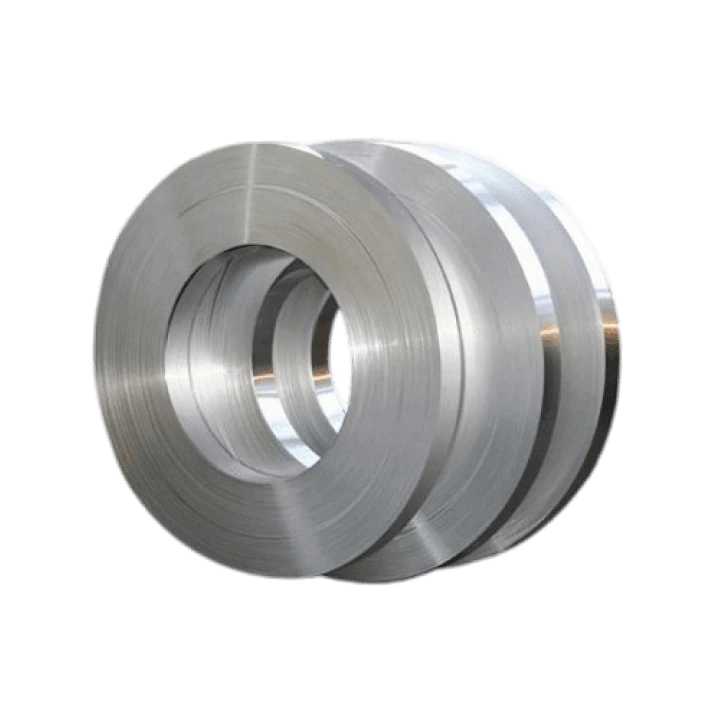
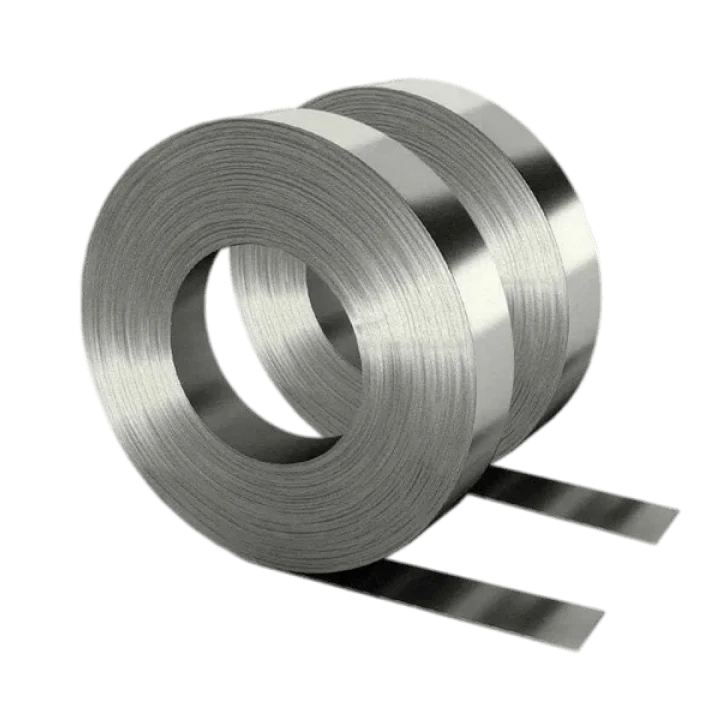
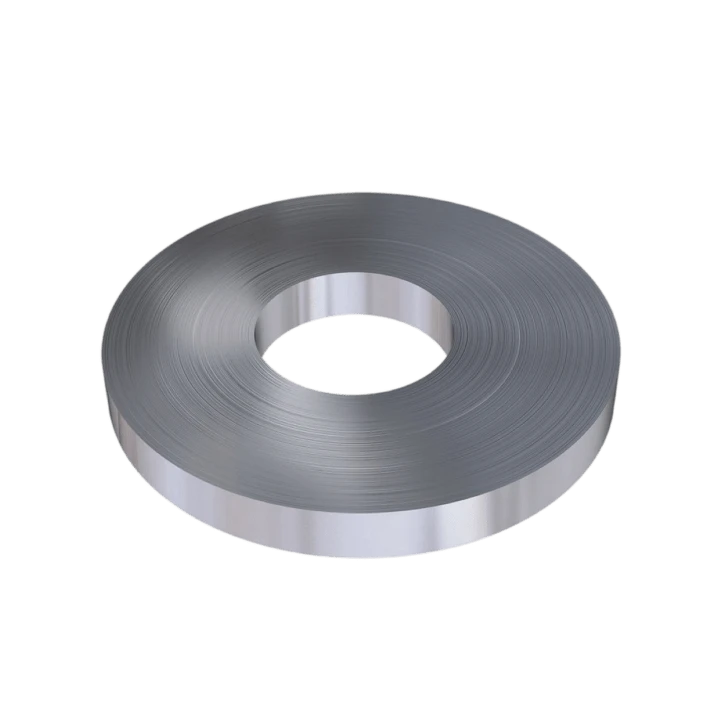
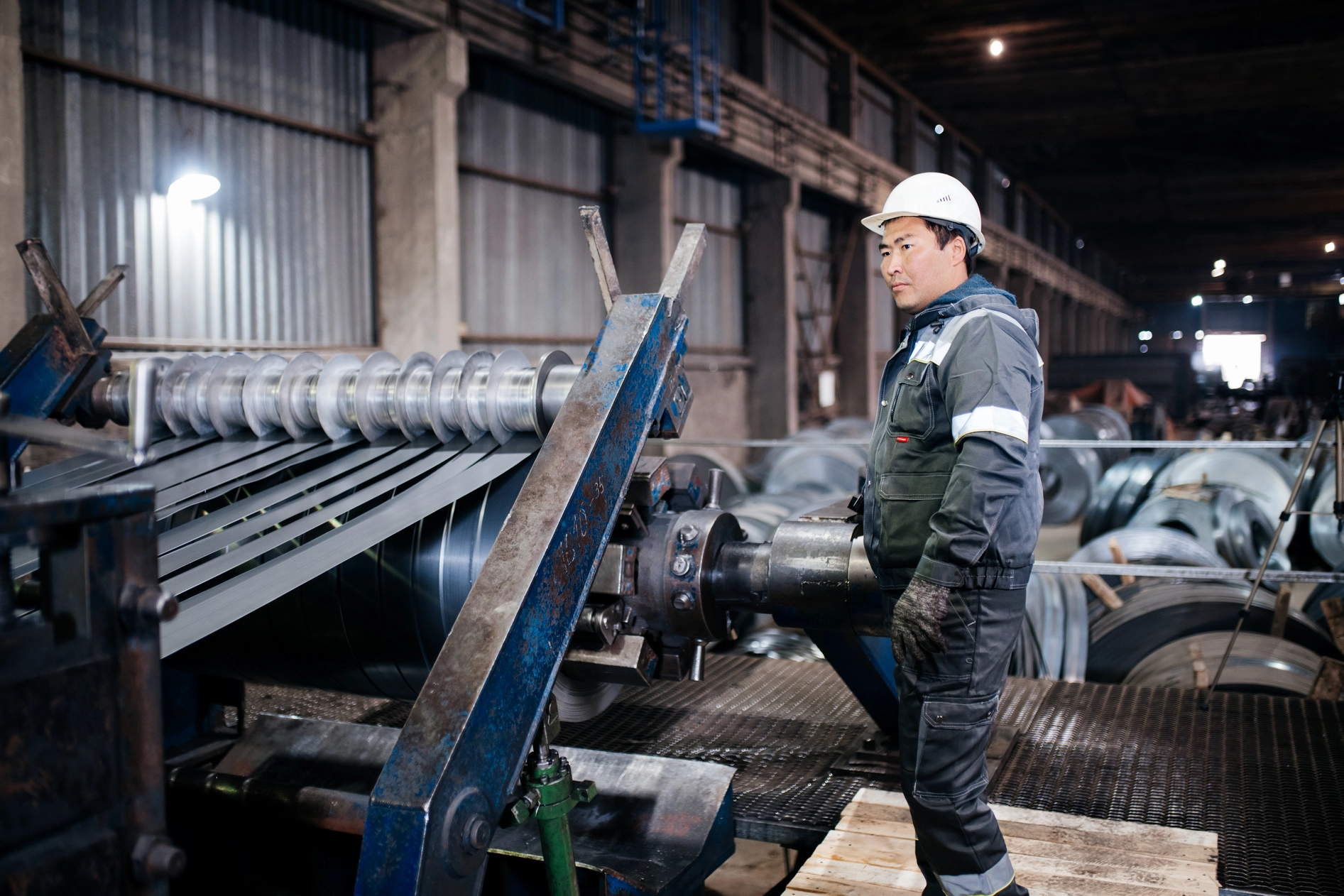
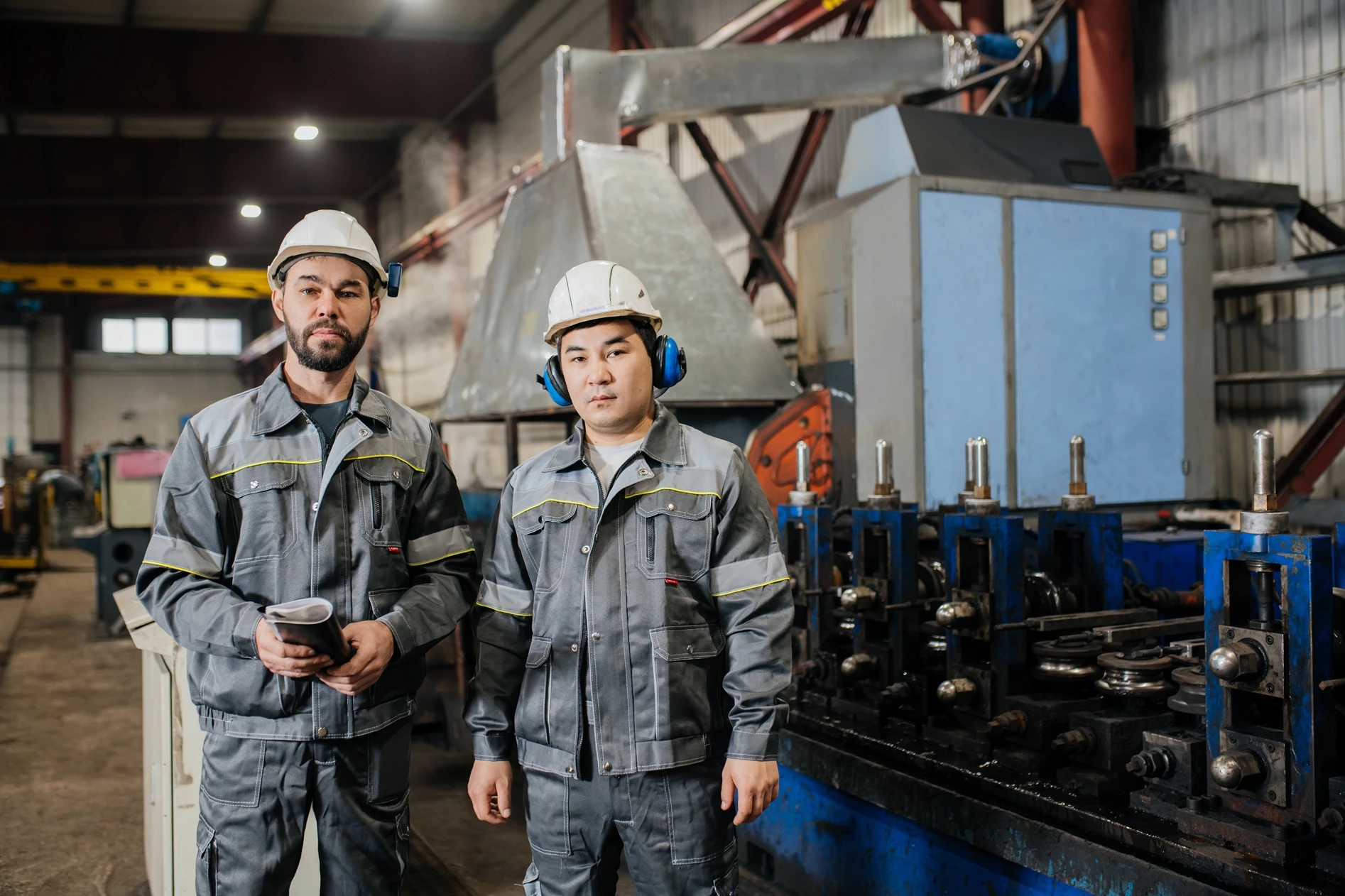
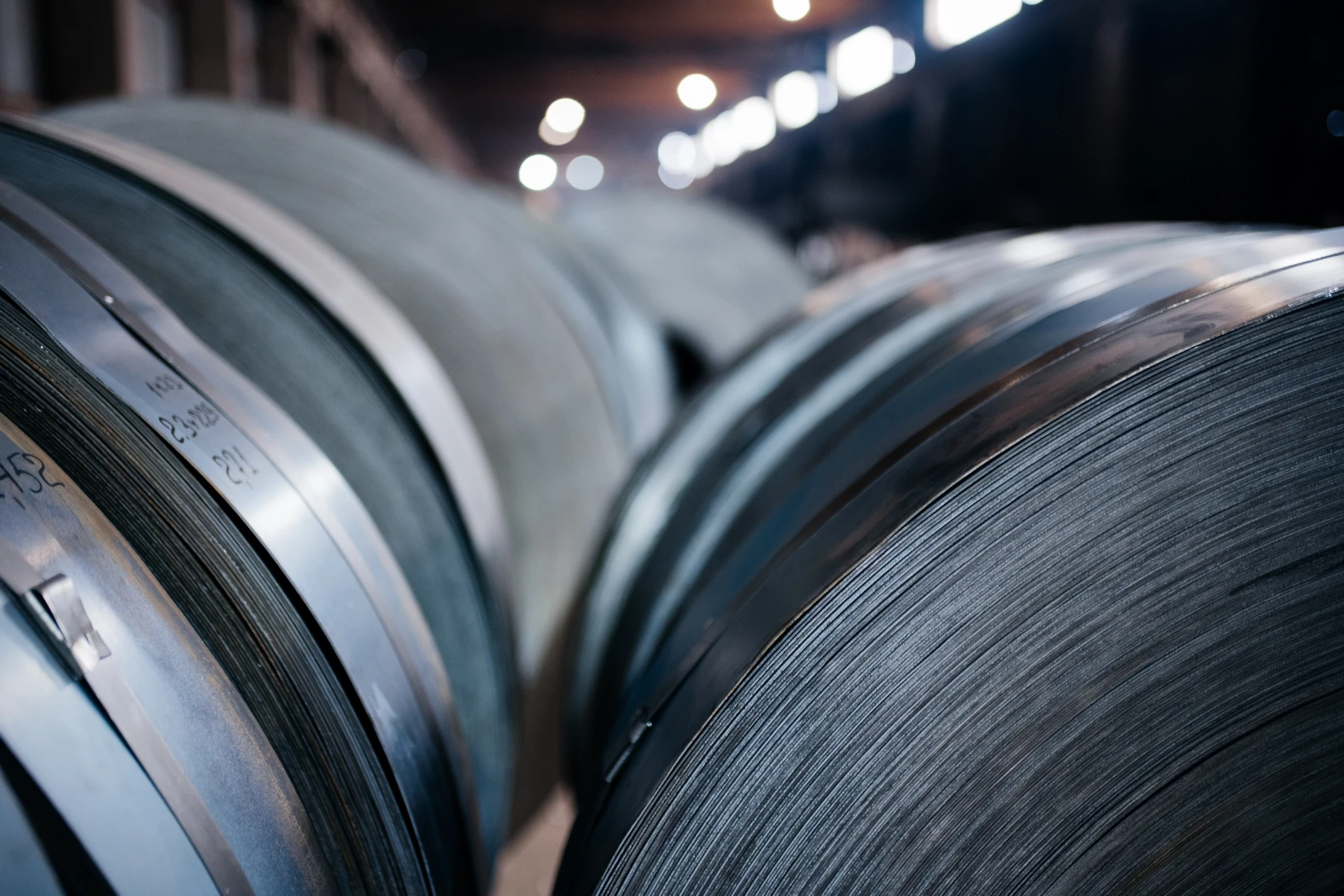
Strip is a steel band of a specified width produced by slitting coiled rolled steel. It is used in the manufacture of pipes, profiles, fasteners, steel structures and various blanks.
When choosing material, one of the key questions is which strip to use: hot-rolled or cold-rolled. Both are used in industry, but they differ in production method, surface condition, dimensional accuracy and field of application.
What is hot-rolled strip
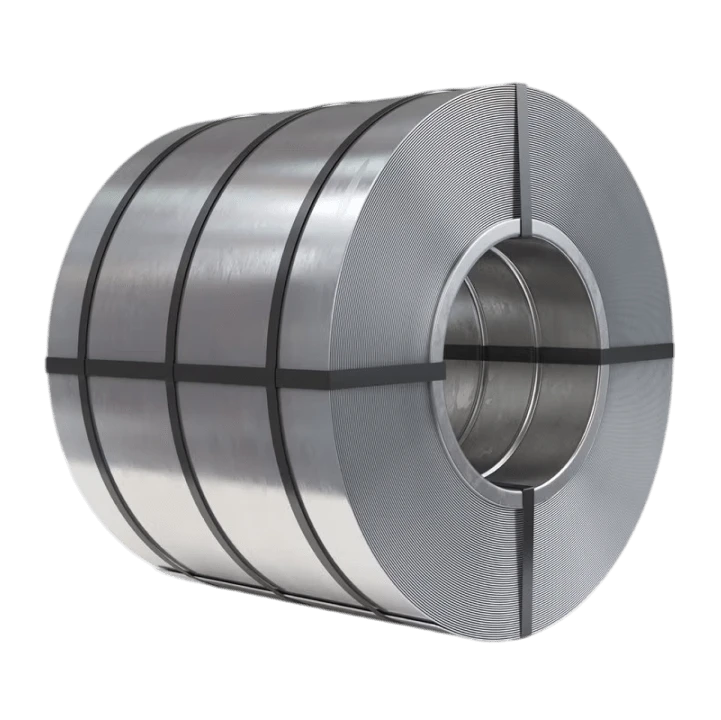
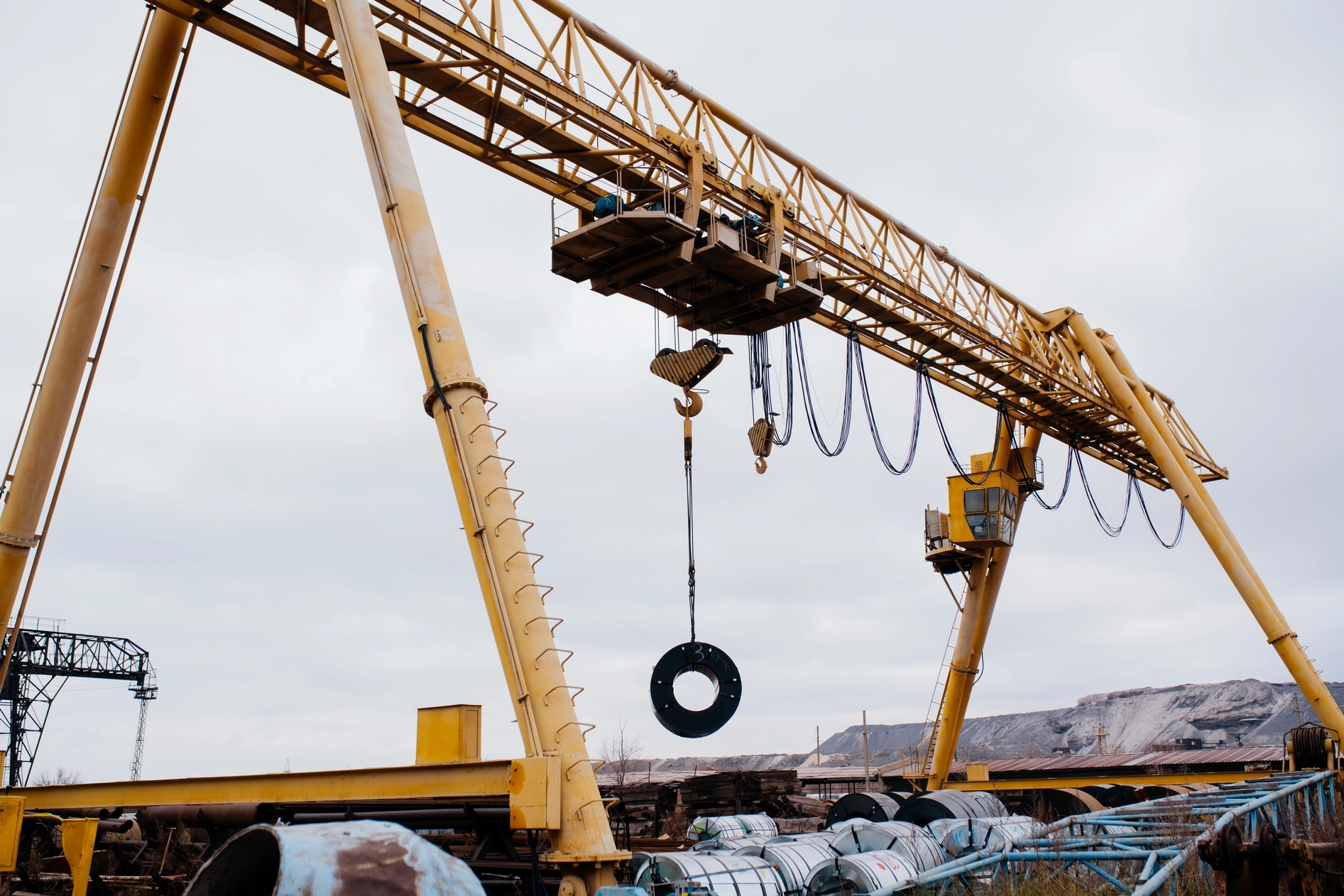
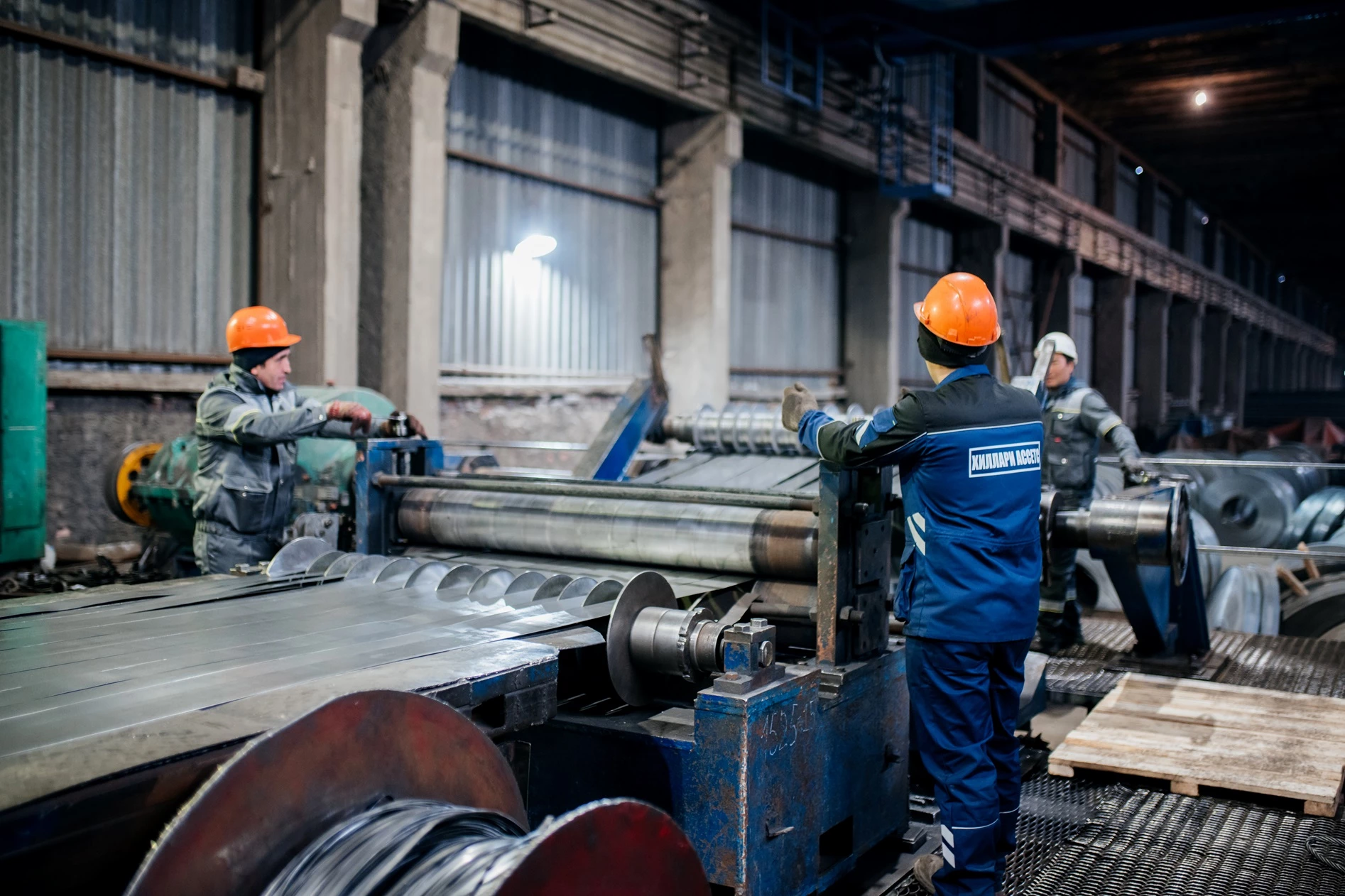
Hot-rolled strip is produced from hot-rolled coil, which is slit into bands of the required width.
This material is in demand where strength, ease of processing and cost-efficiency come first, while strict requirements for surface appearance and minimal dimensional deviations are not decisive.
Hot-rolled strip is used for:
- manufacturing welded and profile pipes;
- making metal profiles;
- frame and steel structure elements;
- various industrial blanks;
- parts that undergo further processing.
The Hillary Assets in Kazakhstan LLP website offers hot-rolled strip, which can be produced in bands of the required width.
What is cold-rolled strip
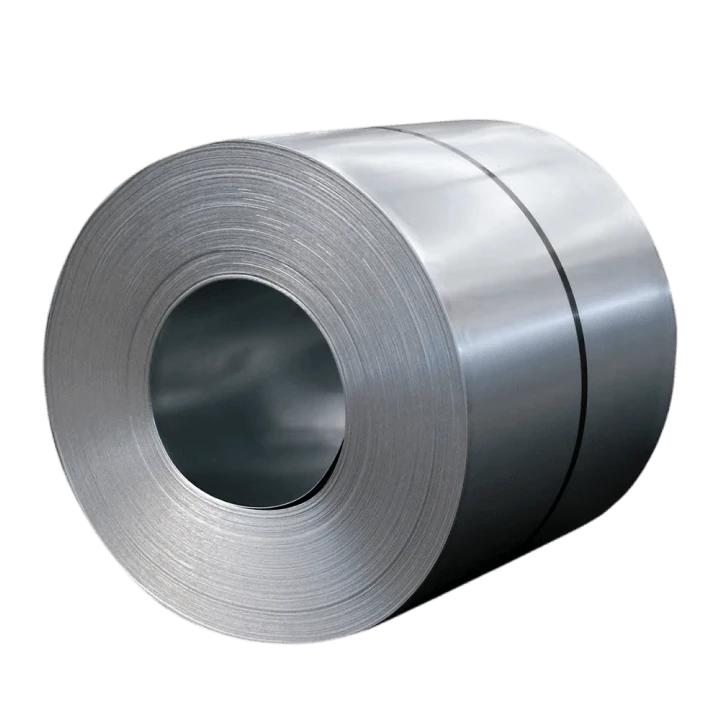
Cold-rolled strip is made from cold-rolled coil. This material usually has a smoother surface and high geometric accuracy.
It is chosen for products where surface quality, consistent thickness and precision of the finished blank matter.
Cold-rolled strip is used for:
- making precision metal parts;
- manufacturing profiles;
- making pipes and various metal products;
- stamped components;
- products with strict requirements for surface geometry.
Hillary Assets in Kazakhstan LLP supplies cold-rolled strip wholesale and produces bands of a specified width.
How hot-rolled strip differs from cold-rolled strip
The main differences relate to the source rolled stock and the requirements for the finished product.
| Characteristic | Hot-rolled strip | Cold-rolled strip |
|---|---|---|
| Surface | Rougher | Flatter and smoother |
| Dimensional accuracy | Standard | Usually higher |
| Appearance requirements | Usually lower | Usually higher |
| Application | Pipes, structures, blanks | Precision parts, profiles, products |
| Cost | Usually lower | Usually higher |
| Choice for mass production | Often used | Used where requirements are stricter |
Specific characteristics depend on the steel grade, the thickness of the source rolled stock and the further processing technology.
Which strip to choose for pipe production
For pipe production, the choice depends on the requirements for the finished product.
If you need mass production of structural pipes and there are no strict requirements for surface appearance, hot-rolled strip is often used.
If higher geometric accuracy, dimensional stability and surface quality are required, cold-rolled strip may be used.
The selection also takes into account:
- strip width;
- metal thickness;
- steel grade;
- diameter or profile of the future pipe;
- welding requirements;
- operating conditions of the finished product.
These parameters are discussed in more detail in the article “Strip for pipes: how to choose width, thickness and steel”.
Why the right strip width matters
Strip width is directly related to the dimensions of the future product. In pipe production, choosing the wrong width can lead to extra waste, forming difficulties and higher production costs.
That is why, when ordering strip, it is important to consider not only the type of rolled stock but also the parameters of the specific production line.
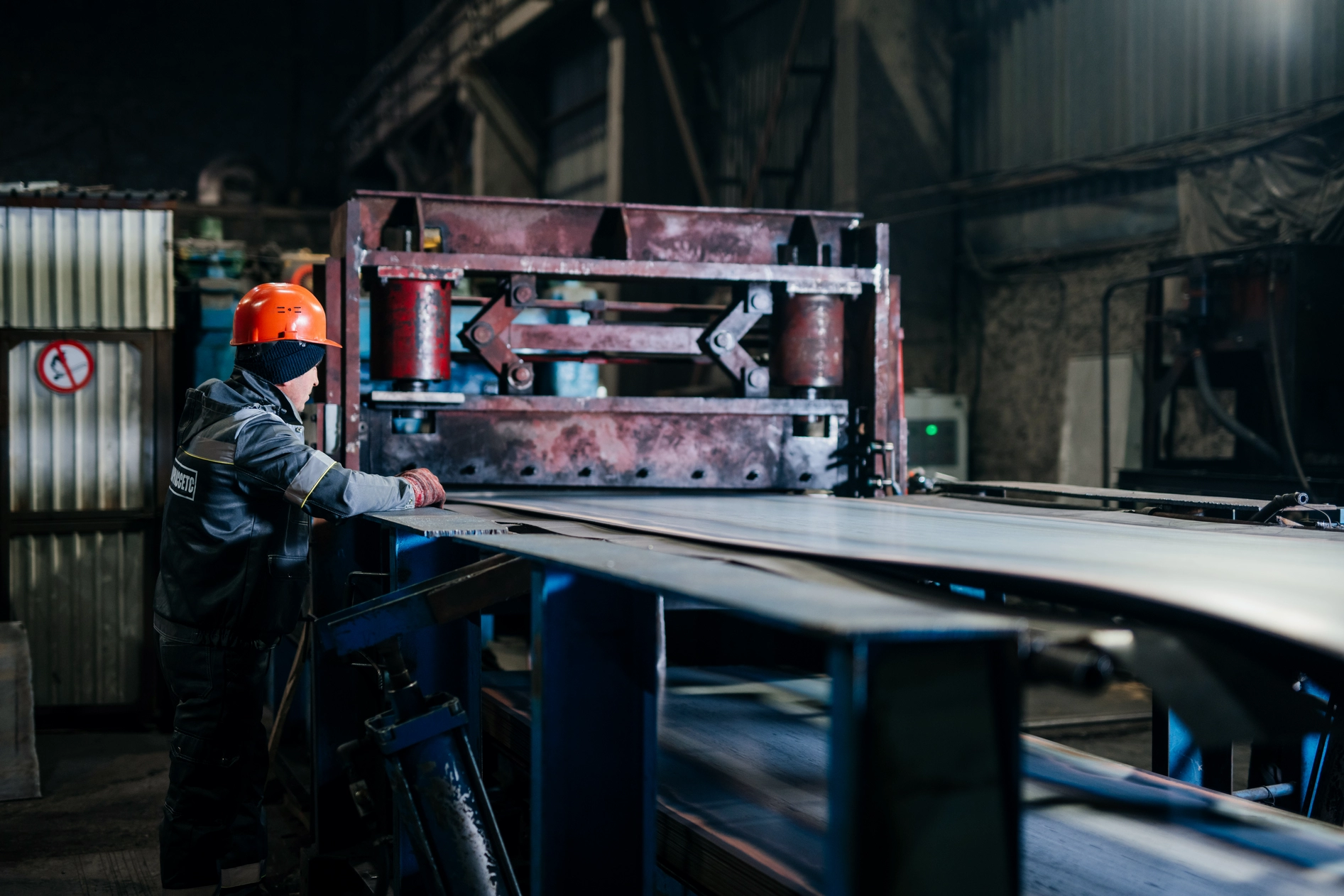
Hillary Assets in Kazakhstan LLP carries out strip production by slitting coiled metal, providing strip of the required width for your production needs.
Hot-rolled or cold-rolled: which to choose
There is no one-size-fits-all option.
Hot-rolled strip suits tasks where cost-efficiency, strength and the possibility of further processing are important.
Cold-rolled strip is advisable when there are strict requirements for surface, geometry and dimensional accuracy.
Before ordering, it is best to determine:
- the purpose of the end product;
- the required thickness and width;
- the steel grade;
- surface requirements;
- the batch volume.
This makes it possible to choose material without excessive specifications or unnecessary costs.
Strip supply across Kazakhstan
Hillary Assets in Kazakhstan LLP supplies hot-rolled and cold-rolled strip to manufacturers and wholesale buyers. Strip of the required width can be produced from coil, followed by preparation of the products for shipment.
To select strip for a specific production process, you can provide the required dimensions, steel grade and intended use of the product.
News
All news
03.09.2026
Profile Pipe Trusses for Canopies: A Complete Guide to Selection, Calculation and Installation
06.02.2026
Railway siding services in Temirtau: receiving, unloading, storage
06.02.2026
Sheet Cutting from Coil: Tolerances, Lead Times, Error-Free Specs
05.02.2026