

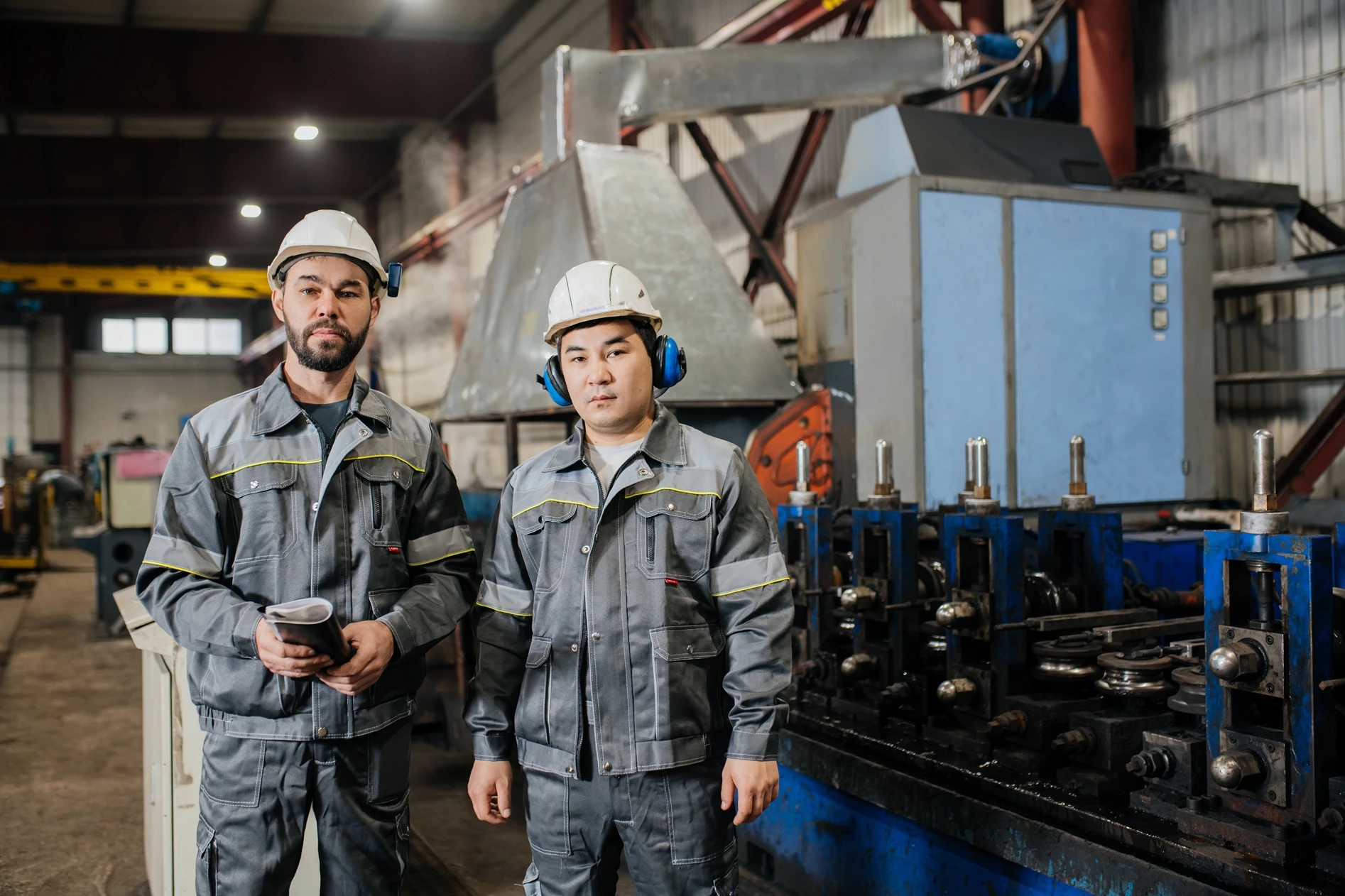
Round Steel Pipe Production: Technologies and GOST Standards
Published December 2025
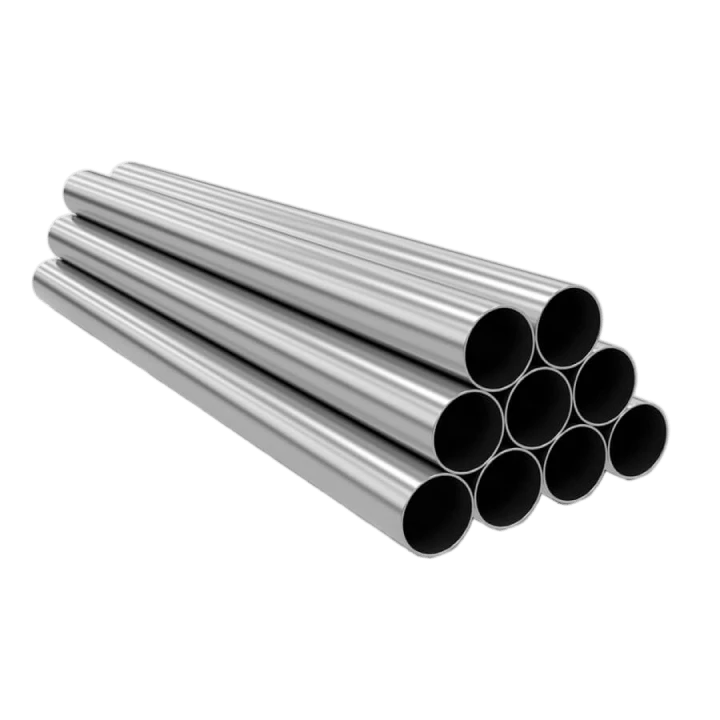
Round steel pipes are the backbone of engineering infrastructure. They are used to build water supply and heating systems, lay cable protection, and install steel structures and process lines.
Round steel pipes are the backbone of engineering infrastructure. They are used to build water supply and heating systems, lay cable protection, and install steel structures and process lines.
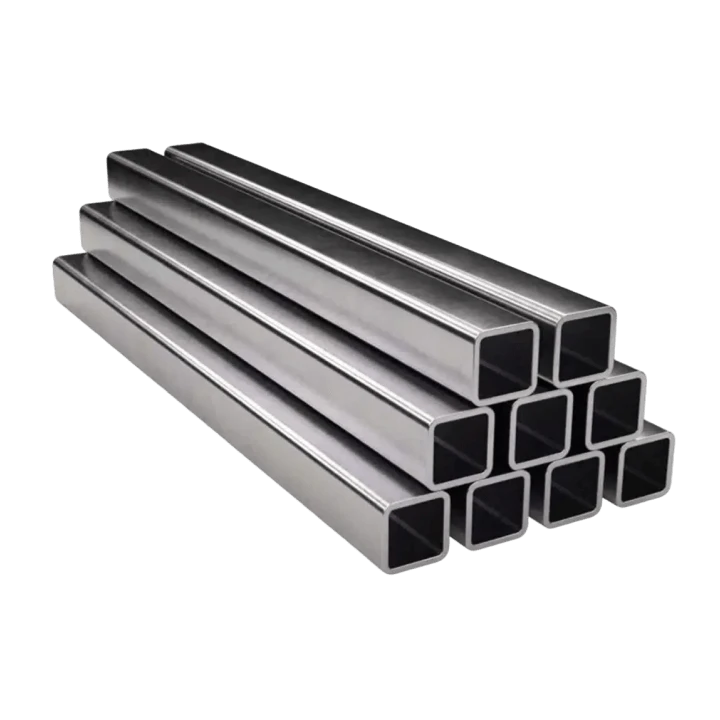
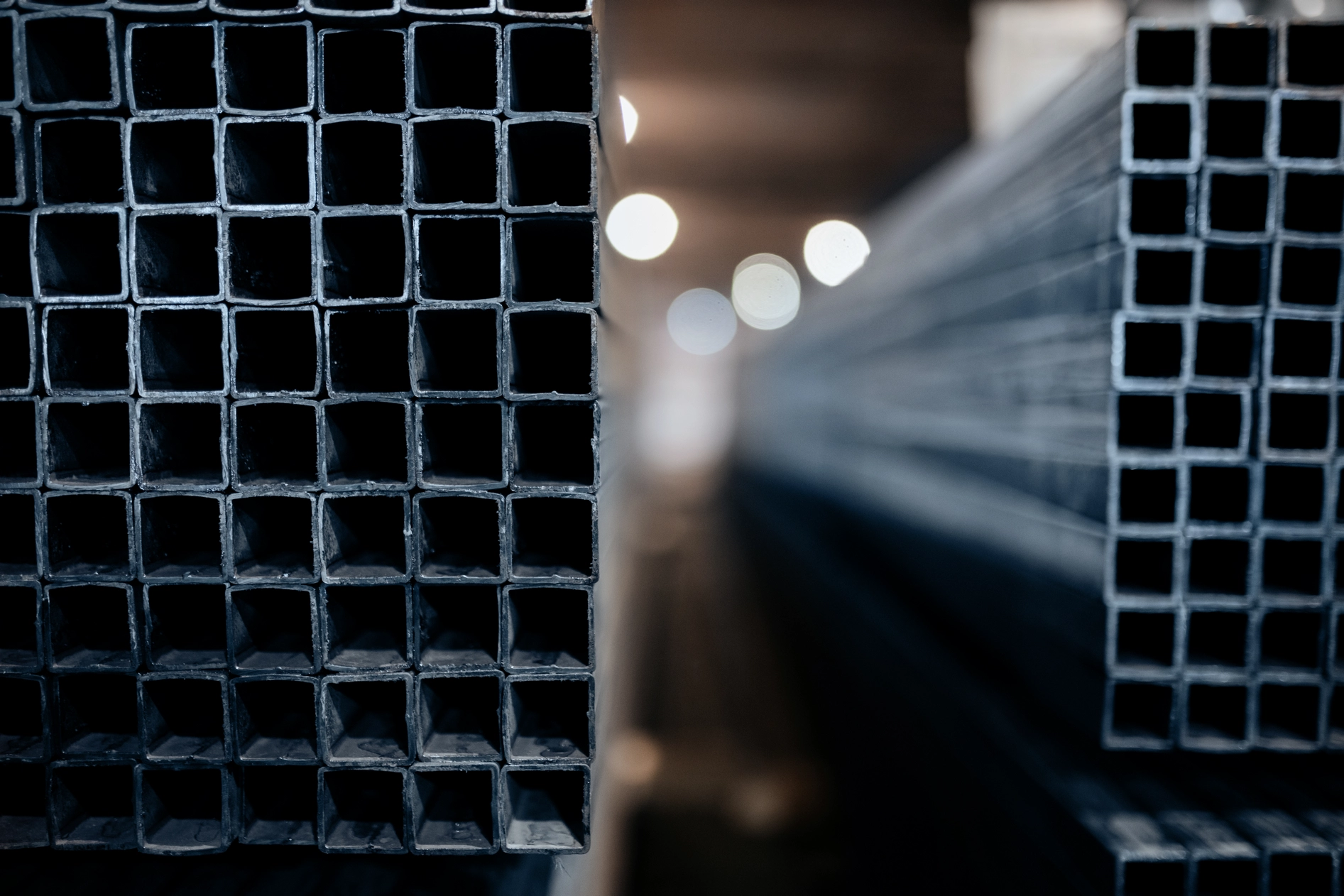
Hillary Assets in Kazakhstan LLP produces both profile and round carbon steel pipes in 6 m lengths for a wide range of applications, as shown by the company’s current price list.
General-purpose round electric-welded straight-seam pipes are manufactured to GOST 10705-80 and fall under EAEU CN FEA code 7306307708, as confirmed by the product’s certificate of conformity.
In this overview, we will look at:
- the technologies used for round steel pipe production;
- how seamless steel pipes differ from welded ones;
- which standards apply;
- how steel pipe quality control is organized at a modern plant;
- the role Hillary Assets in Kazakhstan LLP plays as a steel pipe supplier in Kazakhstan.
Types of round pipes: seamless and electric-welded
By manufacturing method, round pipes fall into two main groups:
- Seamless steel pipes.
- Electric-welded steel pipes.
Both groups are carbon steel pipes, but the processes differ, and so do the applications.
Seamless steel pipes
Seamless steel pipes are made from a solid round billet — an ingot or a rolled bar. The billet has no weld seam, so the pipe is equally strong all around its circumference.
Key features:
- reliable performance under pressure and temperature;
- resistance to impact loads;
- use in critical systems: steam lines, oil and gas, boiler houses, process pipelines.
Drawbacks:
- a more complex and expensive pipe manufacturing technology;
- a narrower size range compared with welded pipes.
Electric-welded steel pipes
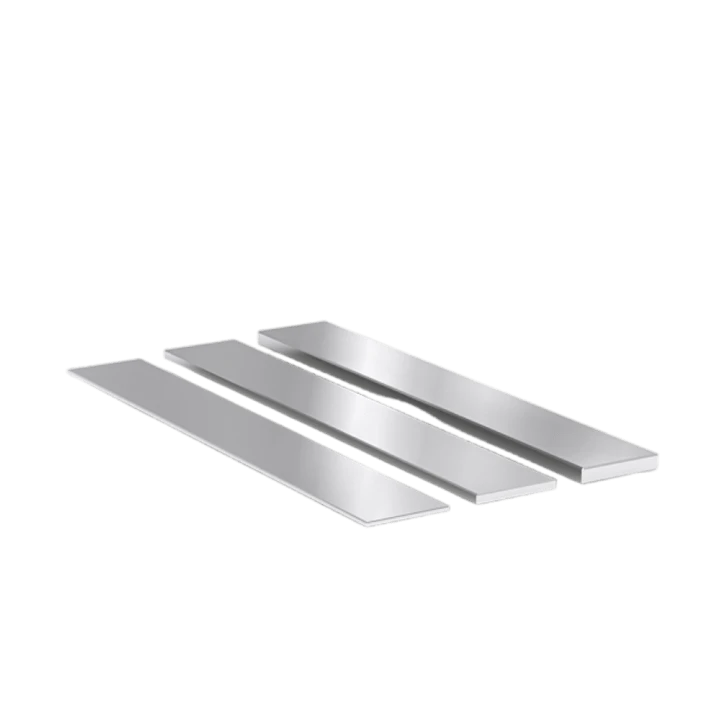
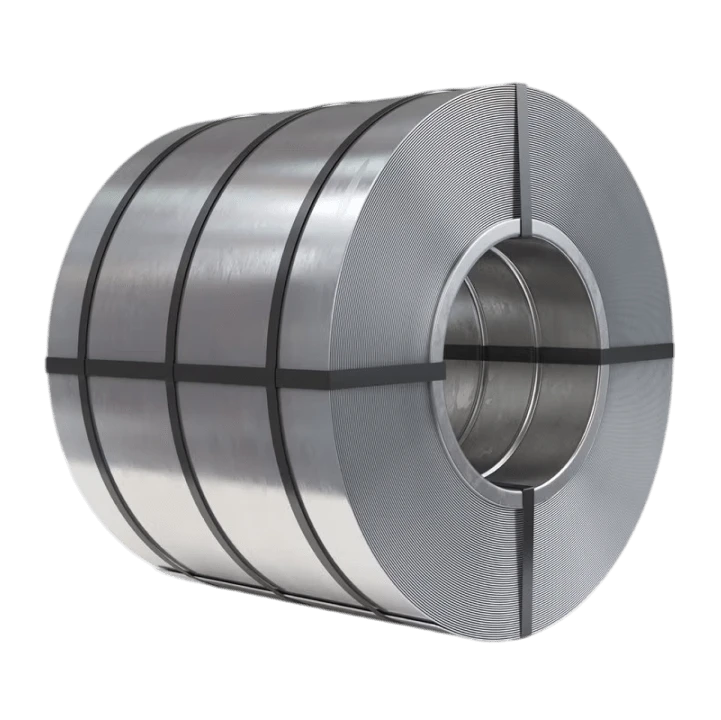
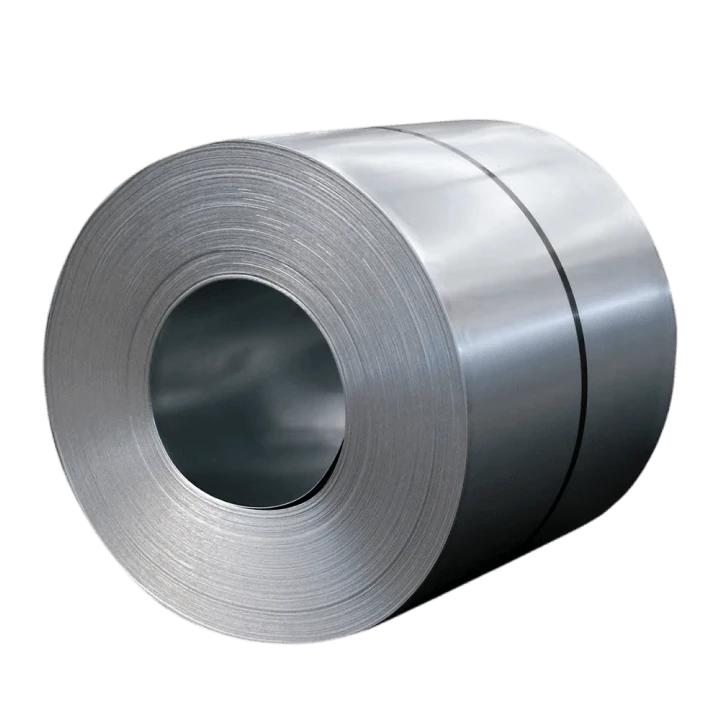
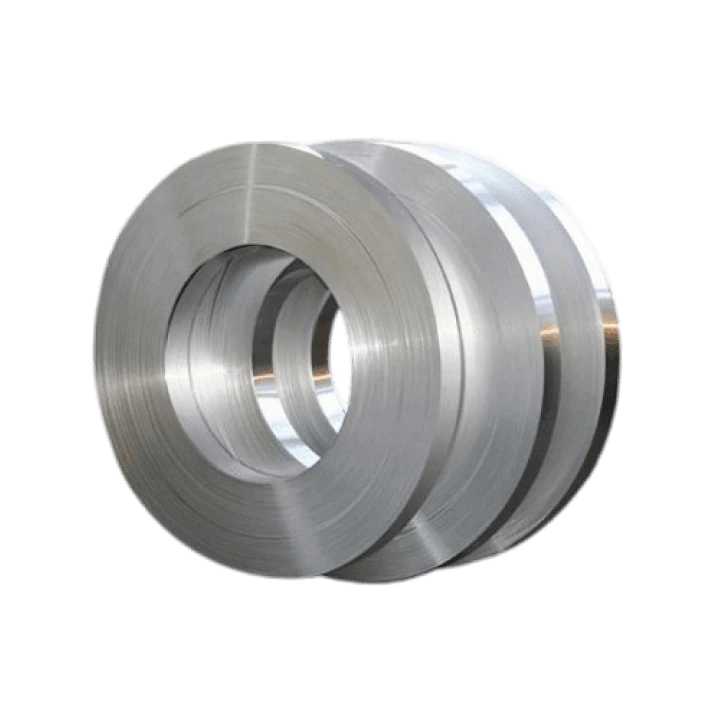
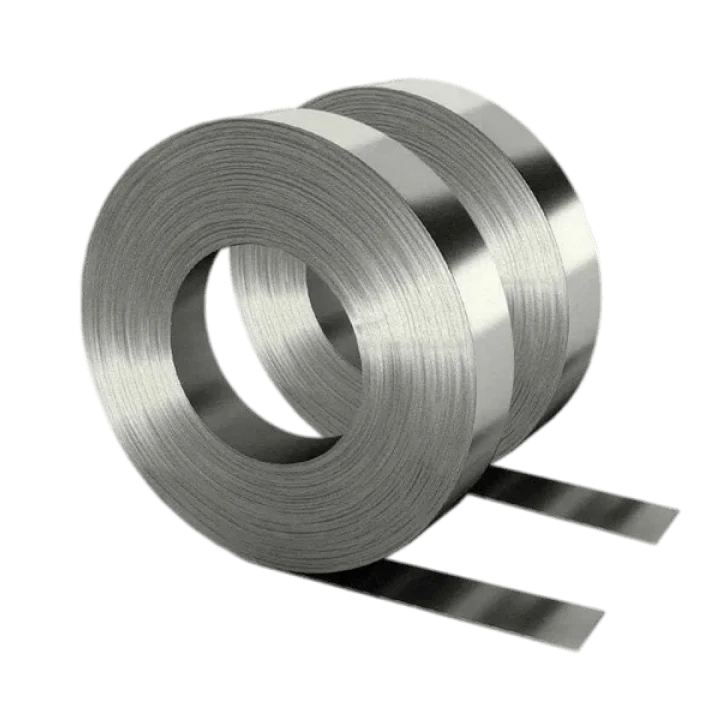
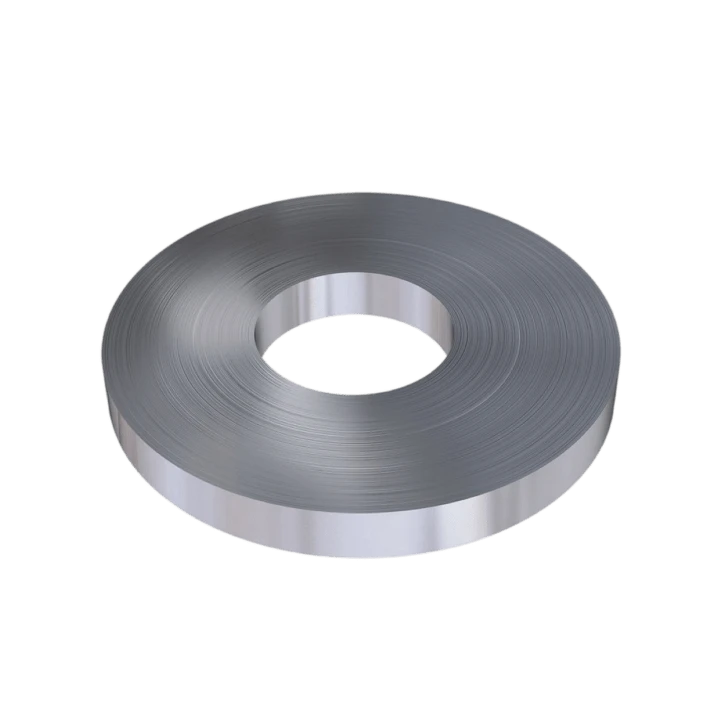
Electric-welded steel pipes are made from steel strip or coiled strip. The strip is rolled into a round shell, the edges are welded together, and the seam is then finished and inspected.
Advantages:
- high geometric accuracy;
- a wide choice of diameters and thicknesses;
- the best solution for general-purpose construction pipes and utility network pipes;
- a balanced cost thanks to a simpler technology.
Such pipes are used:
- in low-pressure water supply and heating systems;
- as structural members (fences, trusses, posts);
- in mechanical engineering, logistics and warehouse systems.
Main stages of electric-welded round pipe production
Let’s look step by step at how round steel pipe production with a longitudinal seam works at a modern plant.
1. Raw material preparation
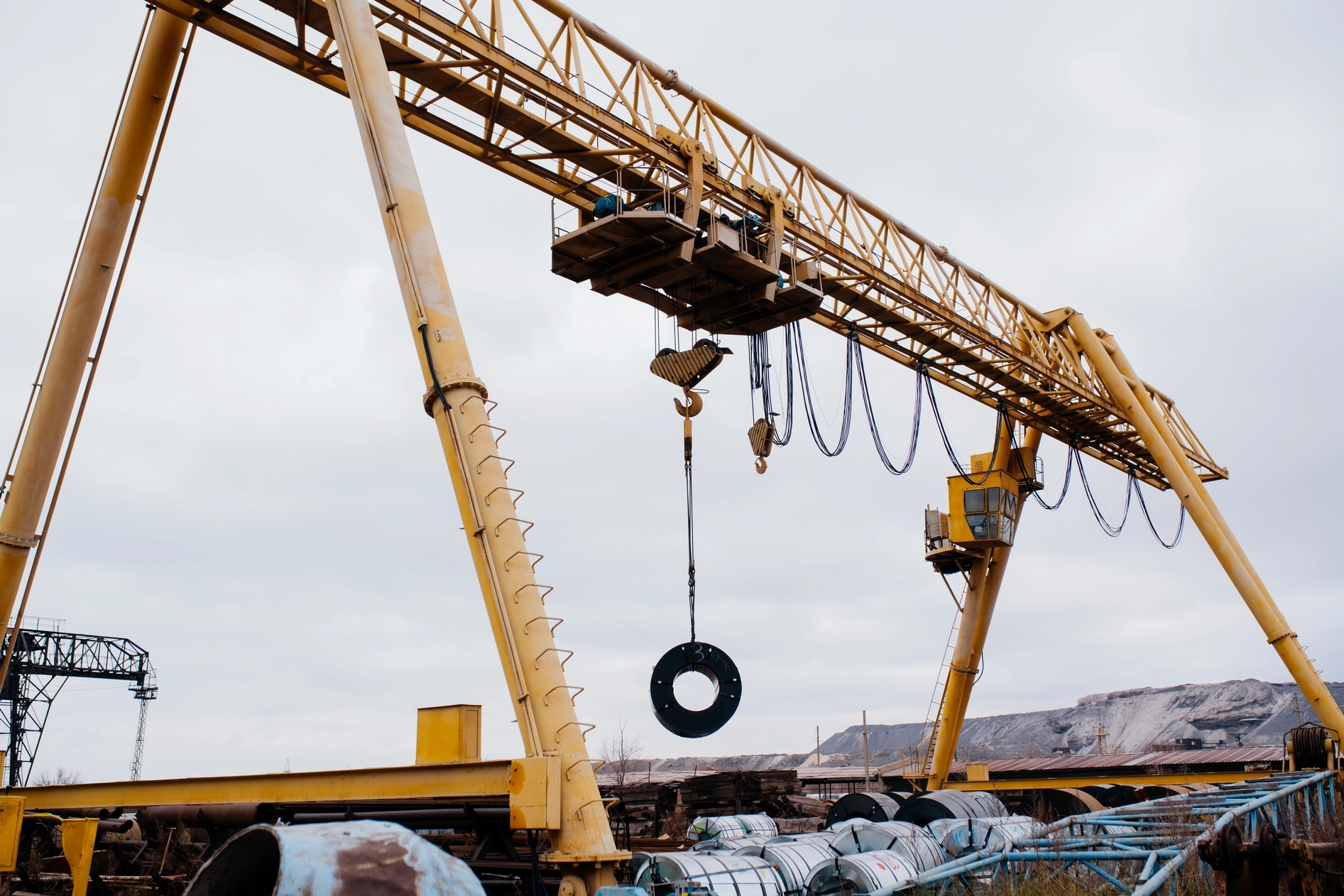
- Receiving strip or coiled steel.
- Incoming inspection of thickness, width and surface quality.
- Checking the supplier’s certificates for chemical composition and mechanical properties — a stage that is critical for the quality of the finished product.
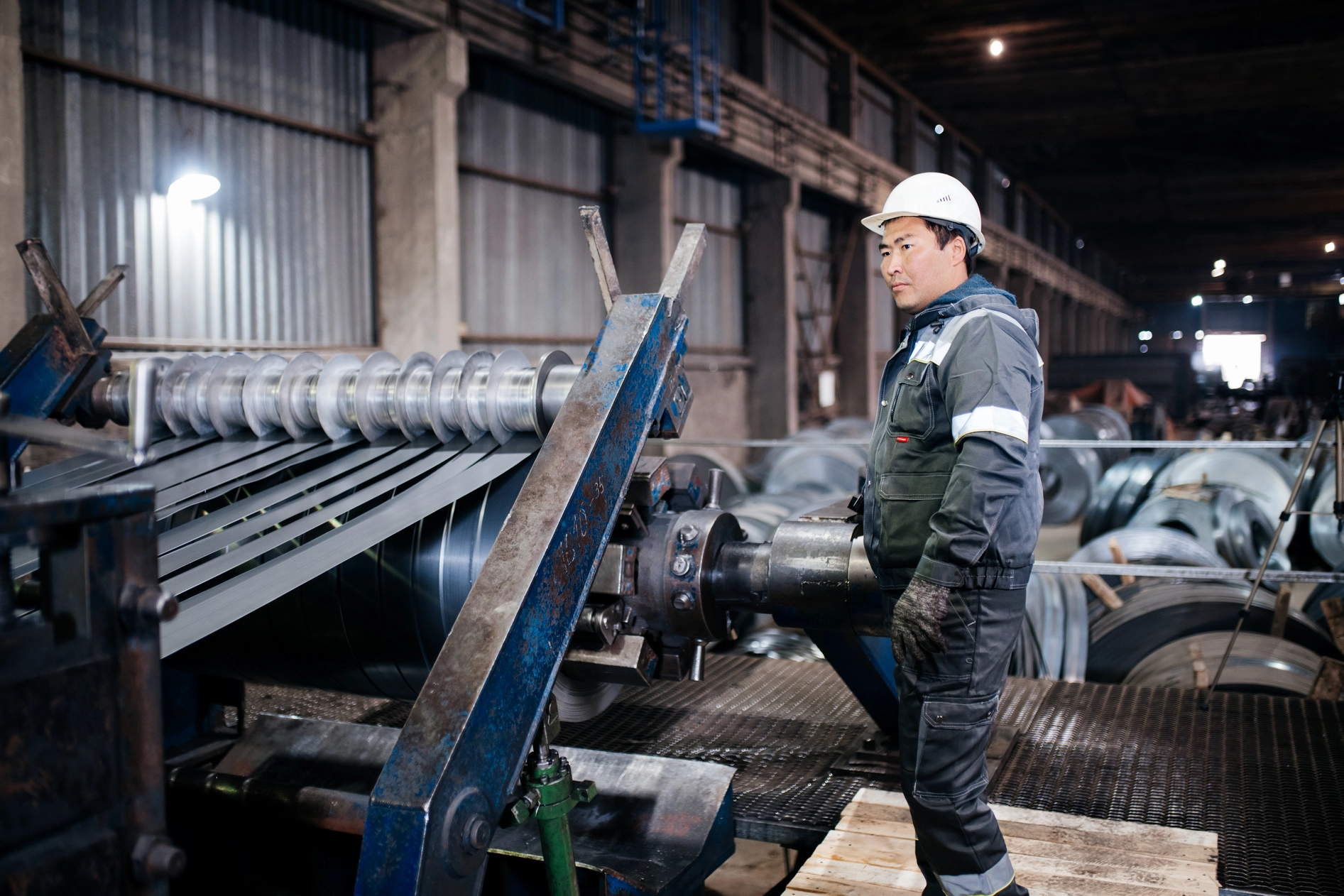
2. Slitting and forming the shell
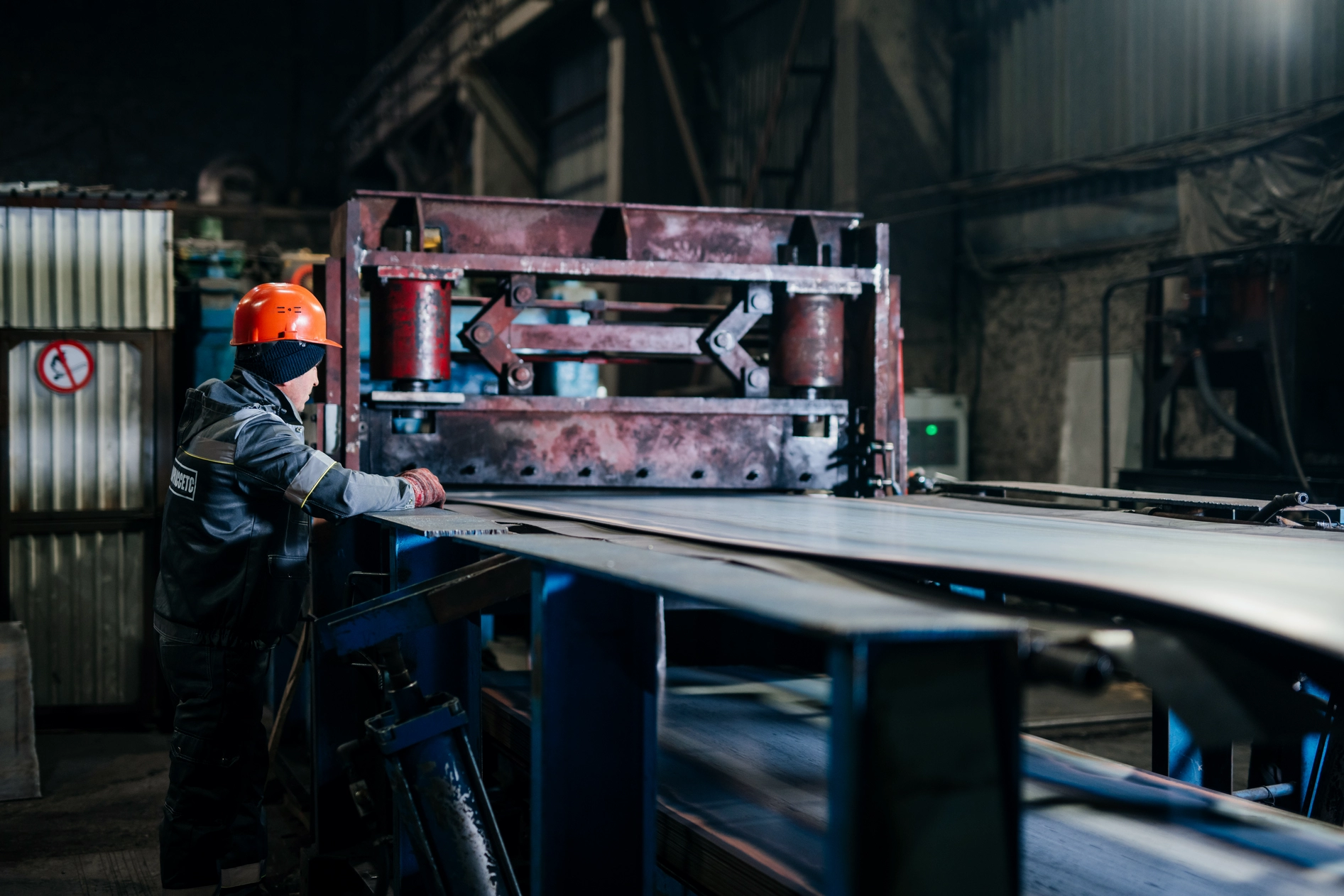
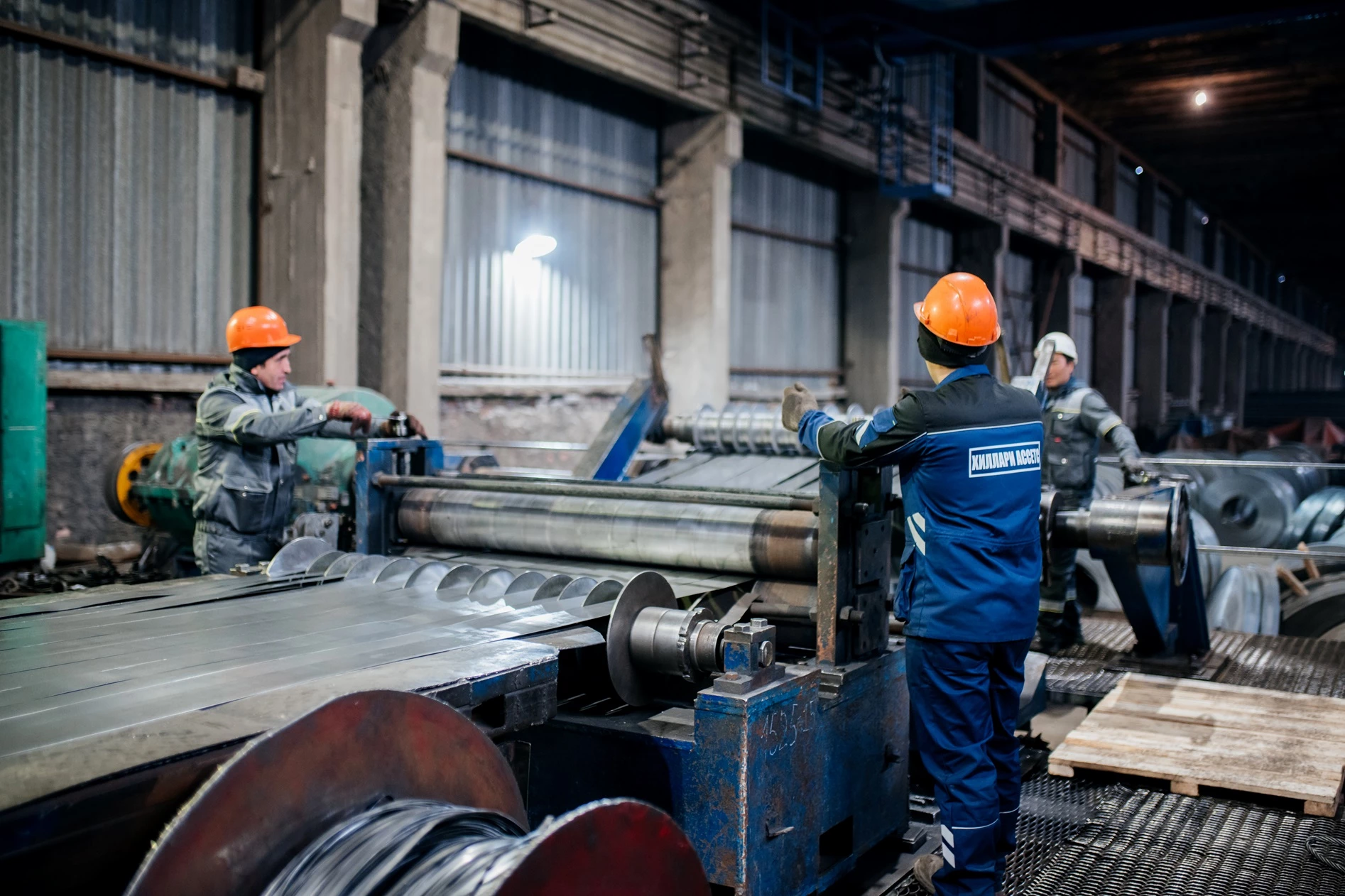
If the steel arrives in coils, it is slit into strips of the required width. The strip then passes through a series of forming stands:
- the flat strip is formed into an “open” pipe;
- the edges are prepared for welding — trued up and beveled.
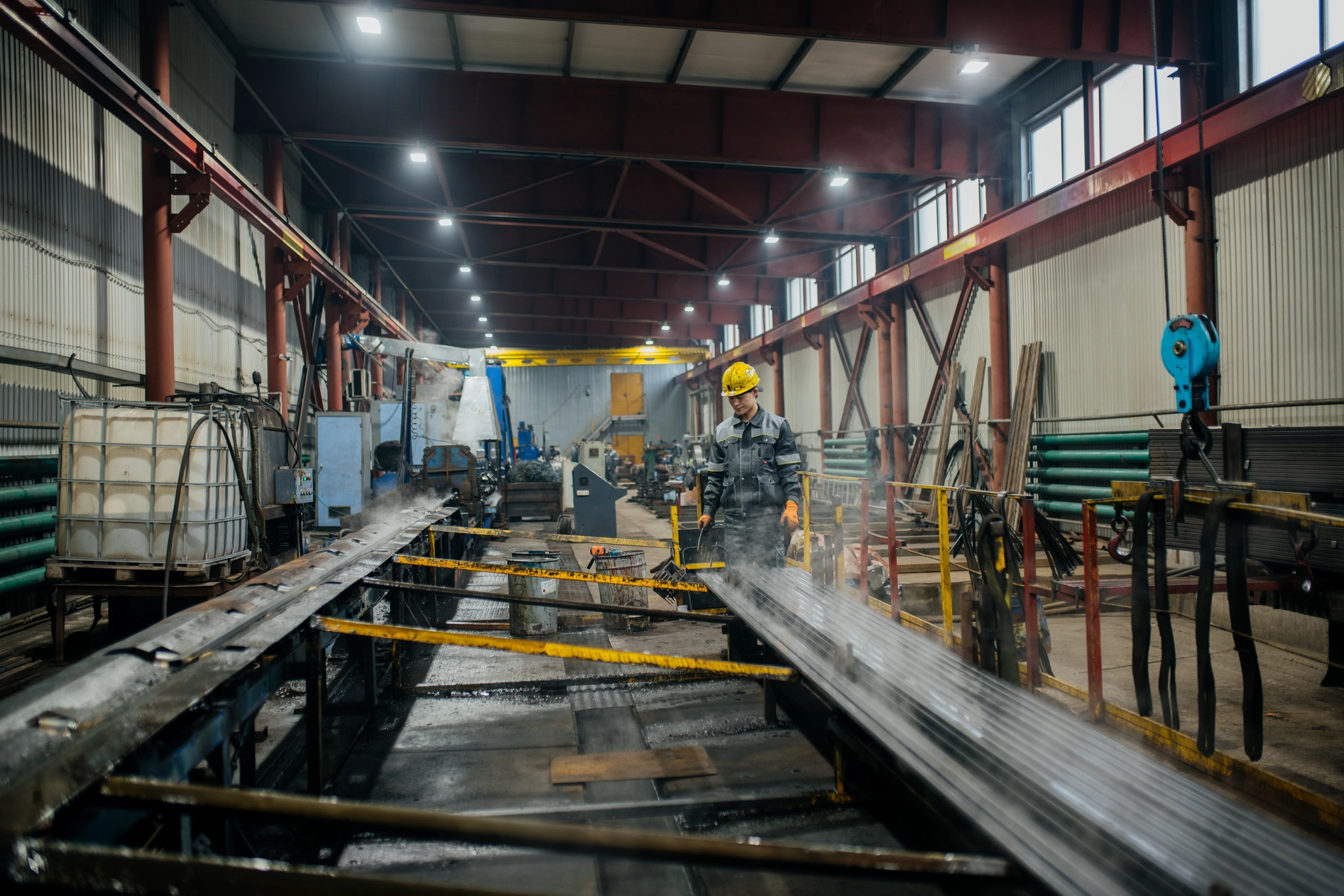
3. Seam welding
The welding stage is where the strip turns into a pipe:
- electric welding (high-frequency or arc) joins the edges along a longitudinal line;
- the seam is squeezed, and the external and internal weld flash is removed;
- an initial visual inspection of the weld is carried out.
It is at this stage that electric-welded steel pipes become different from seamless ones: a weld seam appears, and it requires careful inspection.
4. Sizing, straightening and cooling
Right after welding, the pipe is still warm and ductile. It is:
- passed through sizing stands to achieve precise geometry;
- straightened on straightening machines;
- if necessary, normalized or given another heat treatment to even out the metal structure in the seam area.
5. Cutting to length and end finishing
- The pipe is cut to fixed lengths (for Hil.kz, usually 6 meters).
- The ends are beveled or faced if required.
- Length, ovality and straightness are checked.
6. Inspection and marking
Finished pipes undergo:
- visual and dimensional inspection;
- non-destructive testing of the seam (ultrasonic, eddy current — according to the plant’s internal procedures);
- random mechanical tests (tensile strength, elongation);
- hydrostatic tests at the request of the customer or as required by the standard.
The pipe is then marked with its size, steel grade, heat number, shift and the standard it was made to. A quality certificate accompanies it.
How seamless pipes are made
The pipe manufacturing technology for seamless pipes is different.
The main steps:
- Rolling the billet.
A cylindrical billet is first produced from a round ingot or a bar.
- Producing the hollow shell.
- A piercing mill punches a hole through the center of the billet.
- A thick-walled hollow shell is formed.
- A piercing mill punches a hole through the center of the billet.
- Elongation and rolling.
- The shell is rolled on elongating mills.
- The outside diameter and wall thickness are set.
- The shell is rolled on elongating mills.
- Sizing and heat treatment.
- The geometry is corrected.
- Normalizing, quenching and tempering are carried out, depending on the customer’s requirements and the standard.
- The geometry is corrected.
- Cutting, inspection, marking.
— The same as for welded pipes: dimensional checks, testing, marking and packing.
Seamless pipes are mostly used where strength and tightness under high pressure are critical, while electric-welded steel pipes are used in mass construction and utility networks, where the best balance of price and performance matters.
Standards and regulations: which requirements apply
In Kazakhstan, pipe products are governed by interstate standards — steel pipes to GOST — and by national standards. The specific document depends on:
- the manufacturing method (seamless or welded);
- the purpose (general purpose, trunk pipelines, boilers, structures);
- the type of section (round or profile).
Hillary Assets in Kazakhstan LLP certifies its products in the Republic of Kazakhstan and confirms its local content share with CT-KZ certificates. In particular, GOST 8639-82 and GOST 13663-86 are applied to profile pipes, as stated in the product documents and certificates of origin.
For general-purpose round electric-welded steel pipes, the plant applies GOST 10705-80 “Electric-Welded Straight-Seam Steel Pipes”. Serially produced pipes undergo mandatory certification, and their EAEU CN FEA code is 7306307708, which matters for foreign trade and customs clearance.
The standard and size are selected by technical specialists, who take into account the pressure, medium, temperature and installation specifics.
Along with the pipe, the customer receives a set of documents:
- a quality certificate;
- if required, copies of the certificates for the steel;
- confirmation of origin and local content (CT-KZ).
Steel pipe quality control at every stage
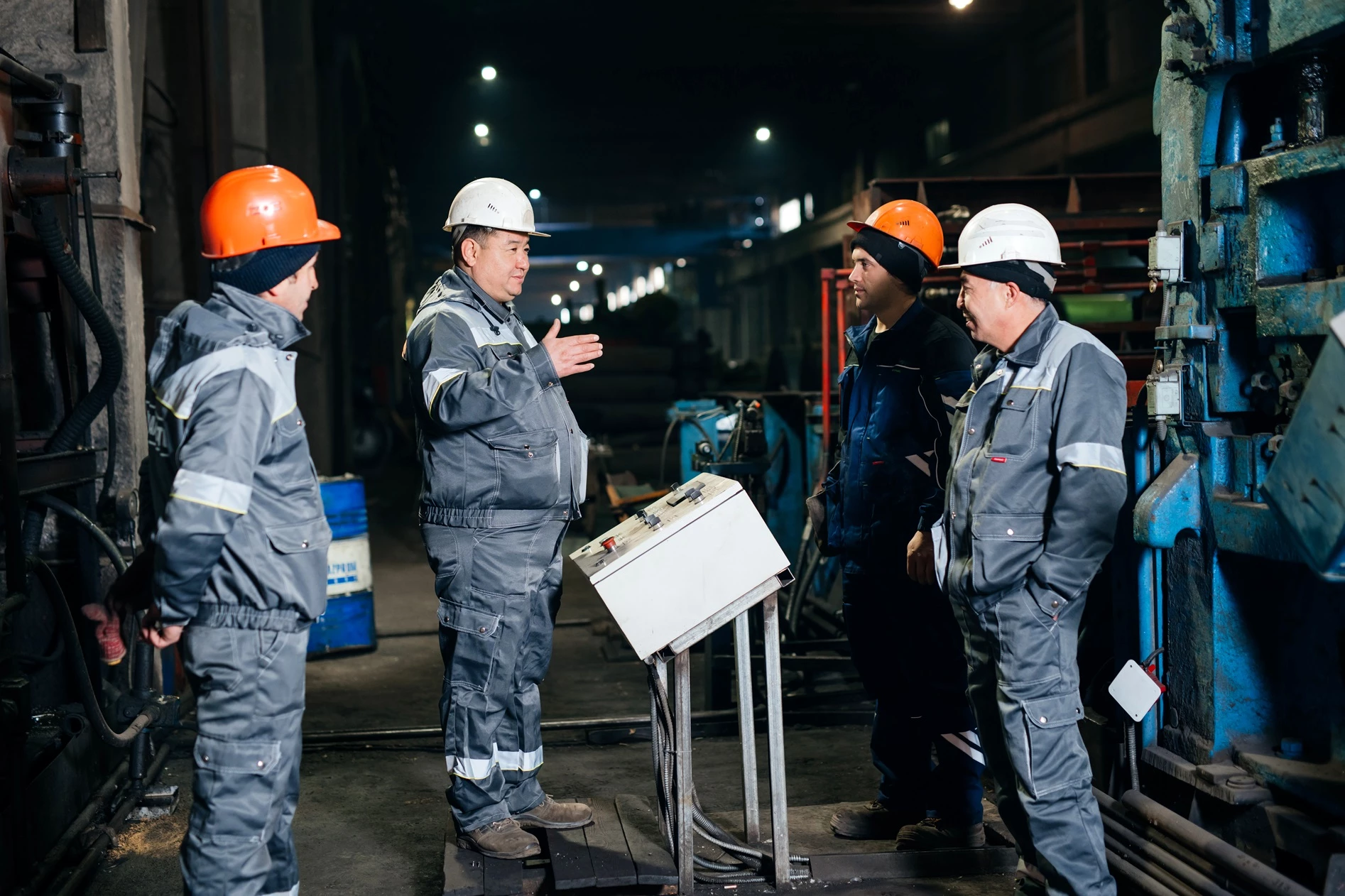
The reliability of a pipeline comes down to two things: quality steel and systematic process control. That is why the manufacturer builds steel pipe quality control as a multi-level system.
1. Incoming inspection
- Checking every batch of strip or billets.
- Comparing certificates with actual measurements.
- Surface assessment to rule out defects, cavities and corrosion.
2. In-process inspection
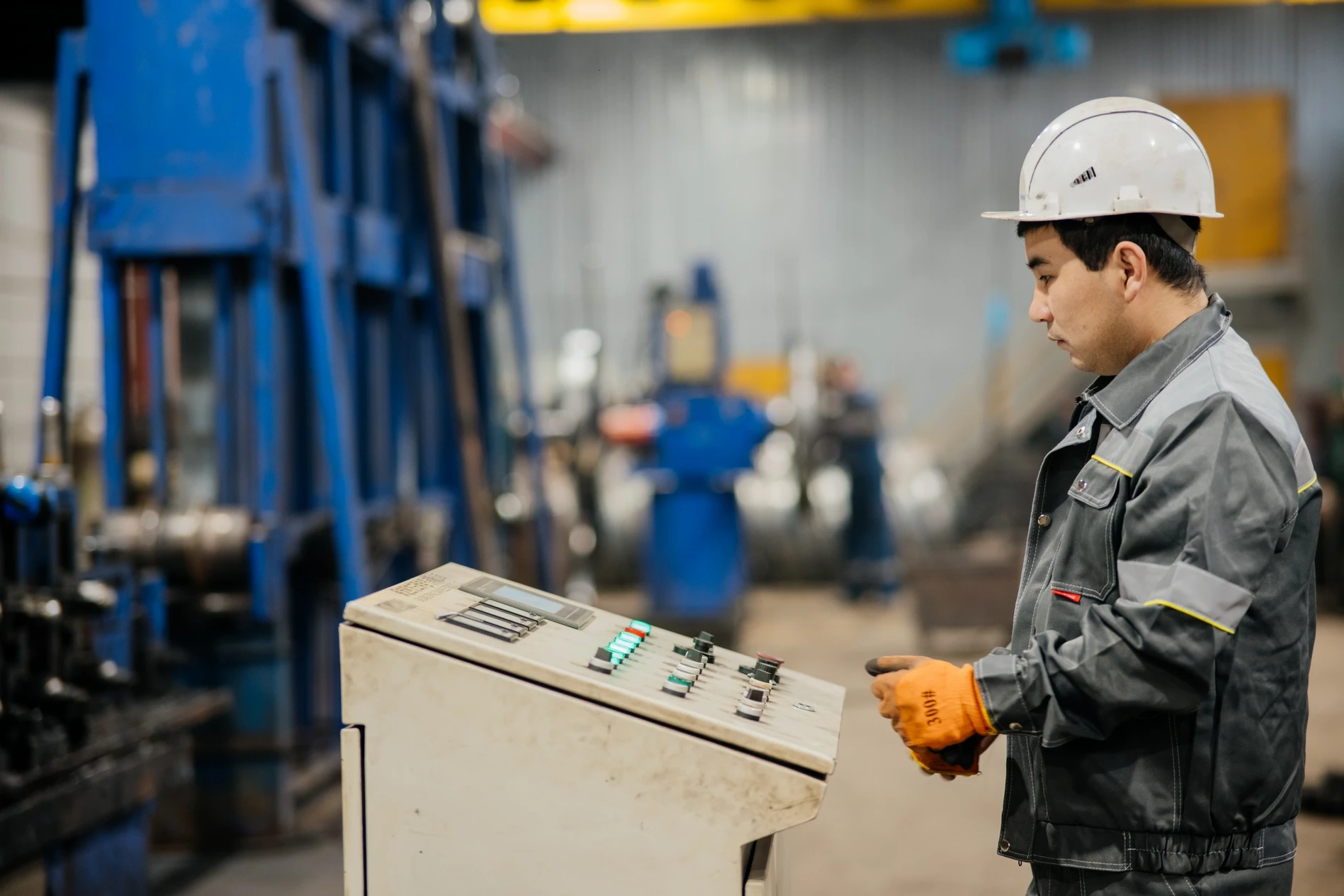
On the production line, the following are monitored:
- the stability of welding or rolling parameters;
- pipe geometry: diameter, wall thickness, ovality;
- the condition of the weld: no lack of fusion, undercuts or pores.
All parameters are recorded in logs and reports. This makes it possible to trace the history of every batch of pipes.
3. Non-destructive testing and trials
Depending on the type of pipe and the requirements of the standard:
- ultrasonic testing of the seam and pipe body;
- eddy current testing for surface defects;
- hydrostatic testing — checking tightness under pressure;
- mechanical testing of samples: tensile, impact toughness, bending.
4. Final inspection, packing and logistics
At the final stage:
- length and geometry are measured again;
- the surface is checked for damage after handling inside the workshop;
- the pipes are bundled, and tags and markings are attached;
- shipping documents are prepared.
For the customer, this means that utility network pipes and construction pipes arrive on site already sorted by size and batch, with a full set of documents.
The role of Hillary Assets in Kazakhstan LLP in the pipe market
Hillary Assets in Kazakhstan LLP operates on the rolled steel market as a steel pipe supplier in Kazakhstan, focusing on the needs of industrial enterprises and construction companies.
For customers, this means:
- a wide range of round and profile carbon steel pipes;
- supply of standard pipe sizes in 6 m lengths, convenient for transport and installation;
- production of round electric-welded pipes to GOST 10705-80 with EAEU CN FEA code 7306307708;
- compliance with GOST and national standards;
- confirmed local content under the CT-KZ form for profile pipe products.
Having its own production and a well-established inspection system allows the company to respond quickly to market demand — from small batches for private projects to regular supplies for large construction sites and industrial facilities.
How to choose a round pipe for the job
When choosing a pipe, it is important to look beyond price and diameter.
What matters:
- Purpose.
- General-purpose welded pipes are suitable for structures.
- Critical sections of utility lines may require seamless or heavy-duty welded pipes.
- General-purpose welded pipes are suitable for structures.
- Medium and temperature.
- Water, air, gas, process fluids.
- Normal or elevated temperature.
- Water, air, gas, process fluids.
- Pressure.
- Low, medium or high — this determines the required standard and pipe type.
- Low, medium or high — this determines the required standard and pipe type.
- Standard.
- It is selected together with the supplier based on regulatory documents and the project documentation.
- It is selected together with the supplier based on regulatory documents and the project documentation.
Specialists at Hillary Assets in Kazakhstan LLP help select the best combination of steel type, pipe type, standard and wall thickness. This reduces the risk of errors in design and procurement and ensures reliable operation of pipelines and steel structures.
News
All news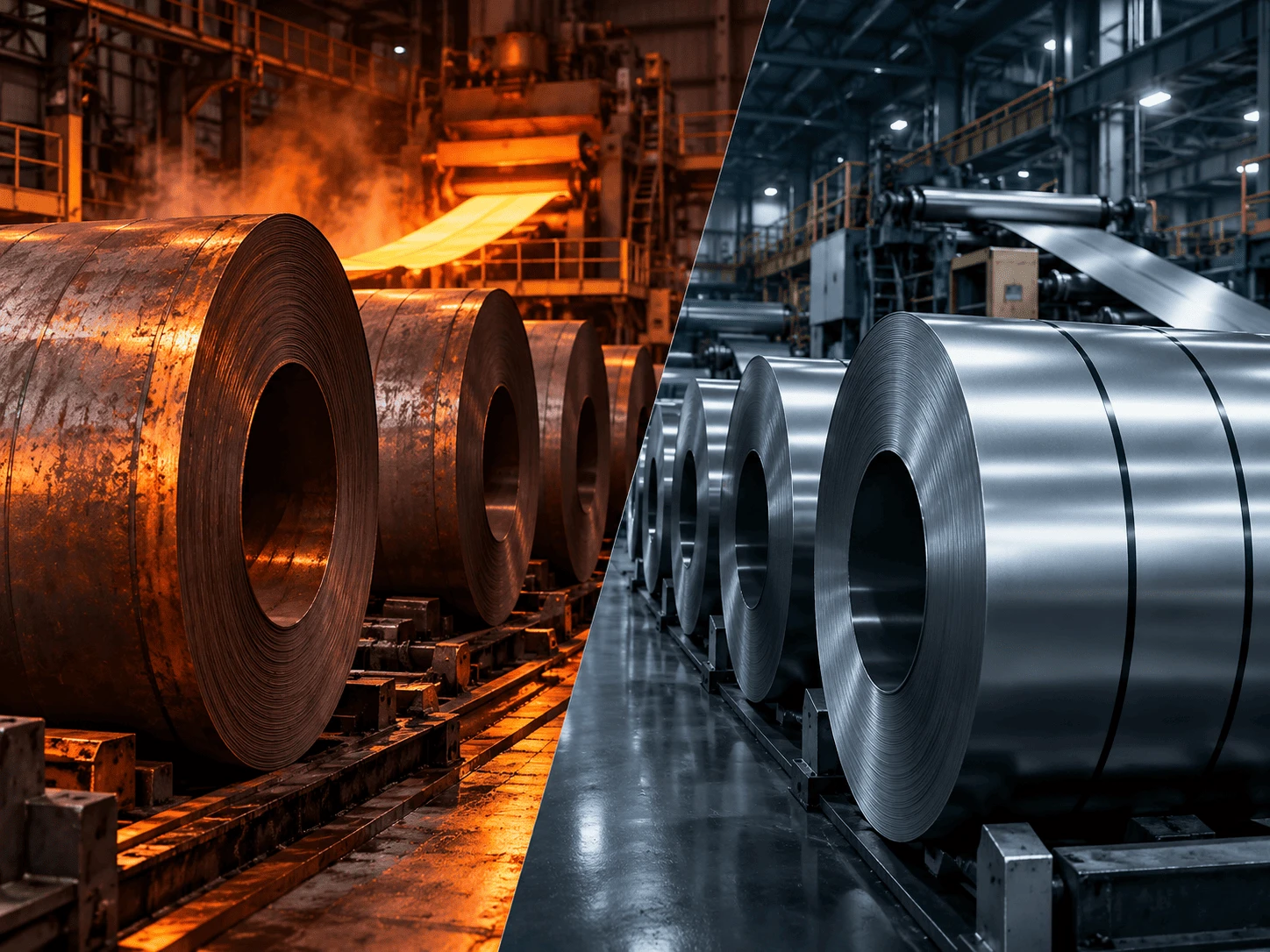
30.09.2026
Hot-rolled and cold-rolled strip: what is the difference and which to choose
03.09.2026
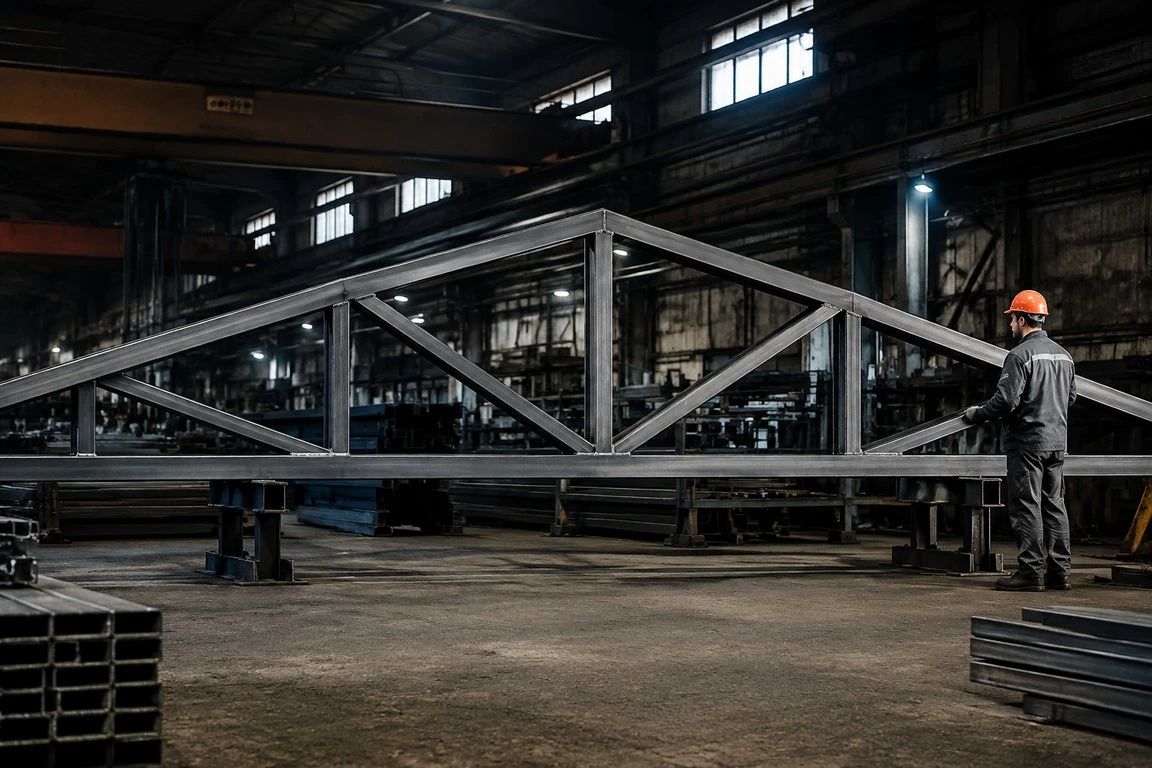
Profile Pipe Trusses for Canopies: A Complete Guide to Selection, Calculation and Installation
06.02.2026
Railway siding services in Temirtau: receiving, unloading, storage
06.02.2026